Retirement is a period of life every working American needs to plan for. That means saving money in advance, investing strategically, and figuring out what you want your senior years to look like.
Unfortunately, many people reach retirement only to realize that some of their assumptions are way off. Here are three harsh truths you should know about now so you can work around them.

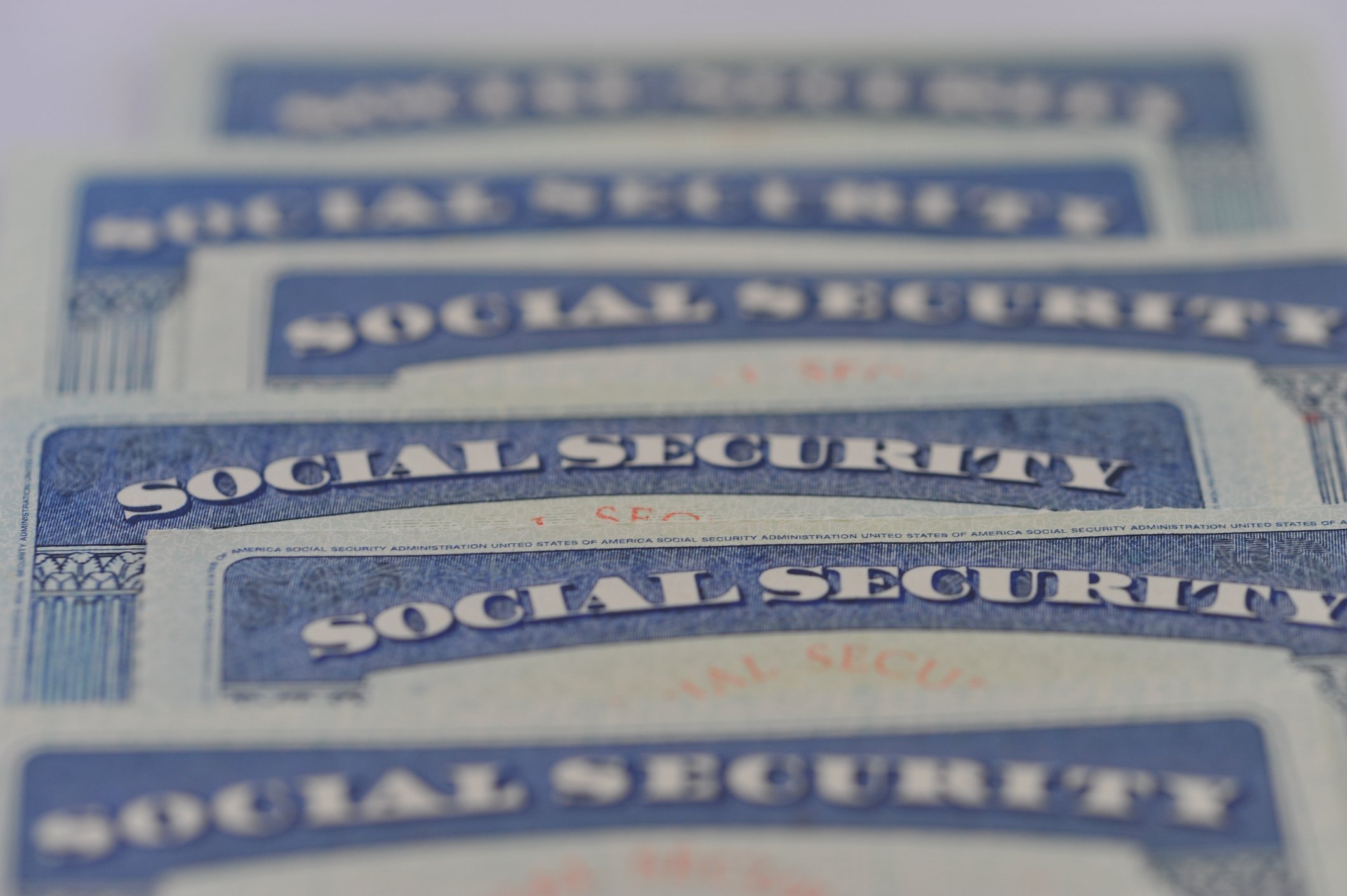
Image source: Getty Images.
1. Social Security won't replace your entire paycheck
You might assume that once you're eligible for Social Security, your monthly benefits will take the place of your employee paychecks. Not so.
Social Security will replace about 40% of your pre-retirement wages if you earn an average salary. If you're a higher earner, you might get even less replacement income, since Social Security pays a maximum monthly benefit each year.
This means that if you retire on those benefits alone, you're looking at a 60% pay cut as a best-case scenario. If that doesn't sound appealing to you, make sure to boost your retirement savings or set yourself up with other income streams to fall back on.
2. Your portfolio might provide less income than you think
While some people struggle to save for retirement at all, others do manage to accumulate nice nest eggs. But the number you see on screen may amount to less annual income than you'd think.
Let's say you manage to save $600,000 for retirement. While that's a respectable sum, the famous 4% rule dictates that a nest egg that size could produce $24,000 of income per year, not including adjustments for inflation. And even with Social Security, that may not be enough to cover all of your anticipated expenses.
It's important to assess your savings as retirement gets closer. If your nest egg needs a boost, you may be better off working a couple more years than retiring on schedule but struggling.
3. You might hate not working
Many people look forward to the freedom retirement can bring. But you may find that once you no longer have a job to go to, it's a struggle to fill your days in a meaningful way.
Before you retire, seriously think about what you'll do with yourself, and plan some activities ahead of time to anchor your weeks. You may even want to consider a part-time job for the stimulation and structure, even if you don't need the money.
It's important to go into retirement financially and mentally prepared. Keep these gotchas in mind as you go about your planning, and take steps to make sure they don't trip you up.