There's a reason many older Americans wait until age 65 or later to retire. Not only does waiting until 65 allow you to boost your retirement savings, but it can also make for a smoother transition as far as healthcare coverage is concerned.
Medicare eligibility generally begins at age 65. If you retire sooner, you could end up in a tough situation with regard to medical insurance.

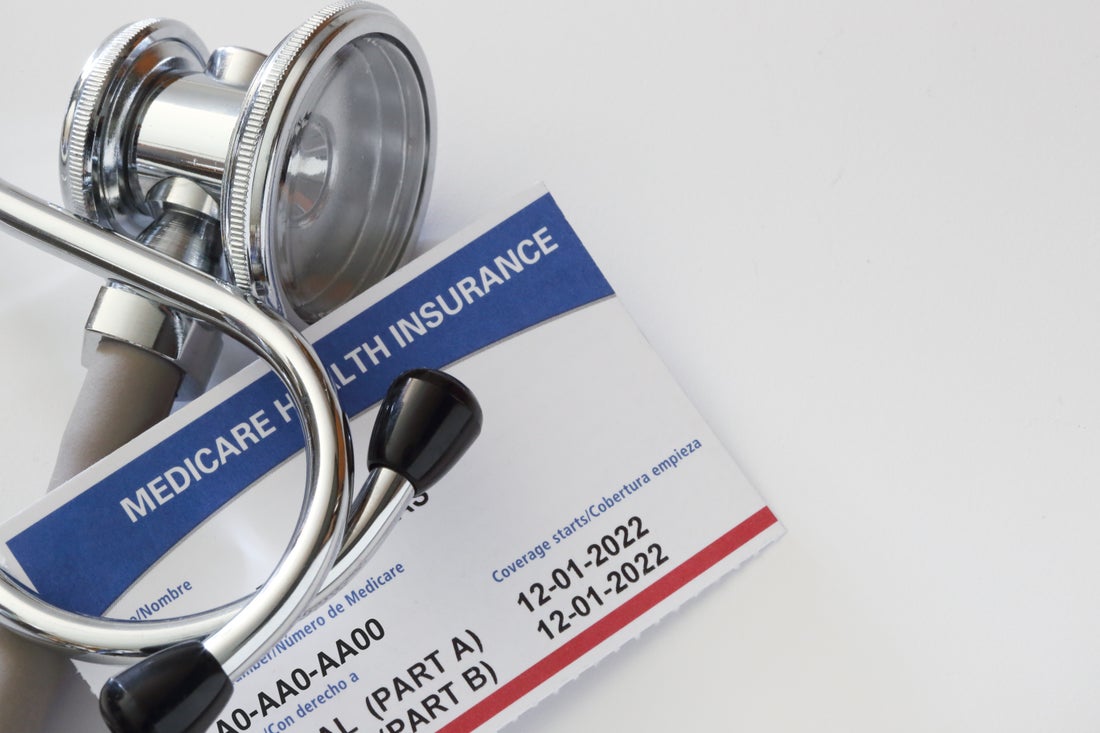
Image source: Getty Images.
But what if you're forced into retirement before turning 65? If your company downsizes when you're 64, for example, you may, at that point, struggle to find a new job. Or at that stage of life, it may not be worth it to have to learn the ropes at a new place of work.
One thing you don't want to do in a situation like this is go without health insurance. A single accident could leave you with horrendously high bills if you end up needing emergency care. Here are some health coverage options you can look at if you end up retiring before being able to enroll in Medicare.
1. Join a spouse's workplace plan
If you have a spouse who's still working, joining their workplace plan may be an option. Even if it's outside of your spouse's general enrollment period for health insurance at work, you may be eligible for a special enrollment window due to losing your coverage.
2. Get coverage through COBRA
COBRA allows people to retain employer health coverage for a limited period of time -- usually up to 18 months. If that's enough time to bridge the gap until your 65th birthday, it's an option you may want to consider, as it allows you to keep the plan you're familiar with.
That said, COBRA can be prohibitively expensive because you're paying your health insurance premiums without an employer subsidy. If you don't have a ton of savings, you may want to look at other options that are most cost effective.
3. Buy a Marketplace plan
If you lose employer coverage, you're generally eligible for a special enrollment period that allows you to buy insurance through the Affordable Care Act's Health Insurance Marketplace. You may or may not qualify for premium subsidies, depending on your income.
Marketplace plans are categorized by tiers -- bronze, silver, gold, and platinum. Bronze plans offer the lowest premiums, while platinum plans have the highest. But do be aware that plans with lower premiums tend to have higher deductibles and other out-of-pocket costs.
4. Look into private health insurance
If you're buying your own health insurance, you don't have to purchase a Marketplace plan. You may be able to buy a plan through a private insurer directly. You should, however, expect to pay quite a lot for private insurance.
5. See if you qualify for Medicaid
If you have a very low income after being forced out of a job, you may be eligible for Medicaid. Medicaid eligibility varies by state. But it's worth checking to see if you qualify if you don't have many assets.
Being forced into retirement before you're ready can be a huge blow -- especially if it means scrambling for health insurance. But it's important to weigh your options carefully so you don't go too long without that safety net in place.