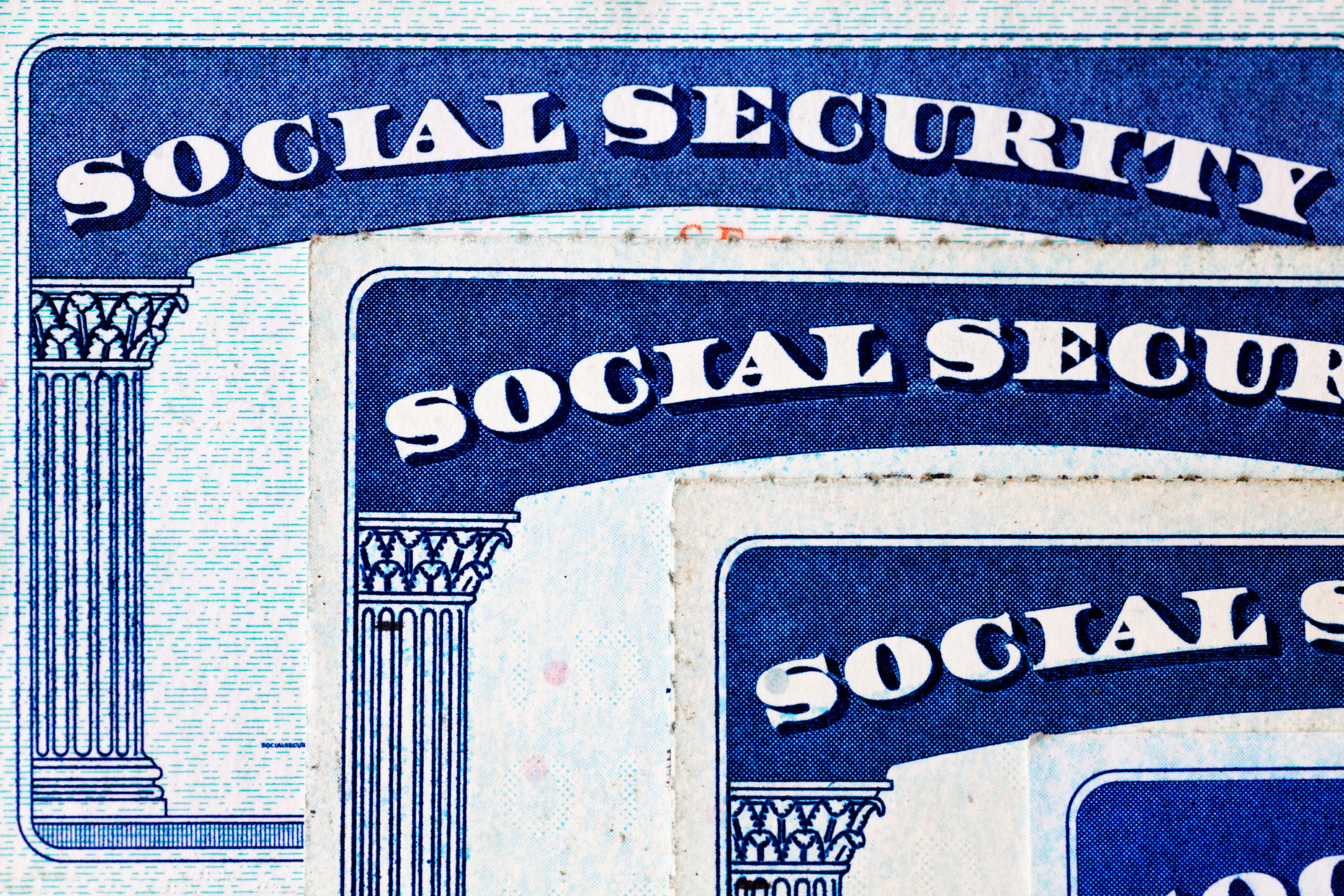
The fear of Social Security cuts looms large in many workers' and seniors' minds, with the program now just six years away from a funding shortfall. It's natural to want a fix that avoids this after you've spent your entire career paying into the program. But the outcome ultimately rests in Congress's hands.
It's likely that the government will make changes to Social Security in the coming years to avoid or reduce necessary cuts. But this comes with a trade-off that could prove even more costly for today's workers.

Image source: Getty Images.
Social Security needs more income
When Social Security's trust funds are depleted, as a recent Congressional Budget Office (CBO) report suggests will happen in 2032, the program will rely solely on Social Security payroll and benefit taxes to cover future benefits. This won't be enough.
The only way to resolve this without cutting benefits is to increase the program's annual income, and that will likely involve raising taxes. The latest Social Security Trustees Report indicated that the payroll tax rate -- currently 12.40%, split evenly between employee and employer -- may have to increase by as much as 4.27 percentage points to keep the program sustainable for decades to come.
You likely wouldn't have to shoulder that increase entirely on your own in this scenario. Your employer would pay half. Your portion would jump from 6.20% to about 8.34%. Still, that could cost you thousands more in taxes. If you earn $60,000 this year, you lose $3,720 to Social Security payroll taxes before your paychecks even make it to your bank account. This number would climb to over $5,000 if the payroll tax rate rose to 8.34%.
Losing more money from your paychecks upfront could make it harder for you to save for retirement on your own, thereby increasing your reliance on Social Security in retirement. And you could still owe taxes on your benefits once you get there.
If the government were to raise the Social Security benefit tax rate on seniors, then this could reduce the required payroll tax increase. But it would likely also reduce how far your benefits go in retirement. This could be a huge challenge for those who lack adequate personal savings.
Change is coming, but nothing's set in stone
While it's likely that the government will make changes to Social Security in the coming years, we don't know what those changes will look like. Higher taxes are possible, and benefit cuts remain on the table as well. But we might have to wait a while longer to find out the final plan.
One thing we do know is that the more you save for retirement now, the better off you'll be, no matter what happens to Social Security. Even if you're only able to set aside a few dollars per pay period, it's worth doing. By the time you reach retirement, those savings could be worth tens or hundreds of thousands of dollars.