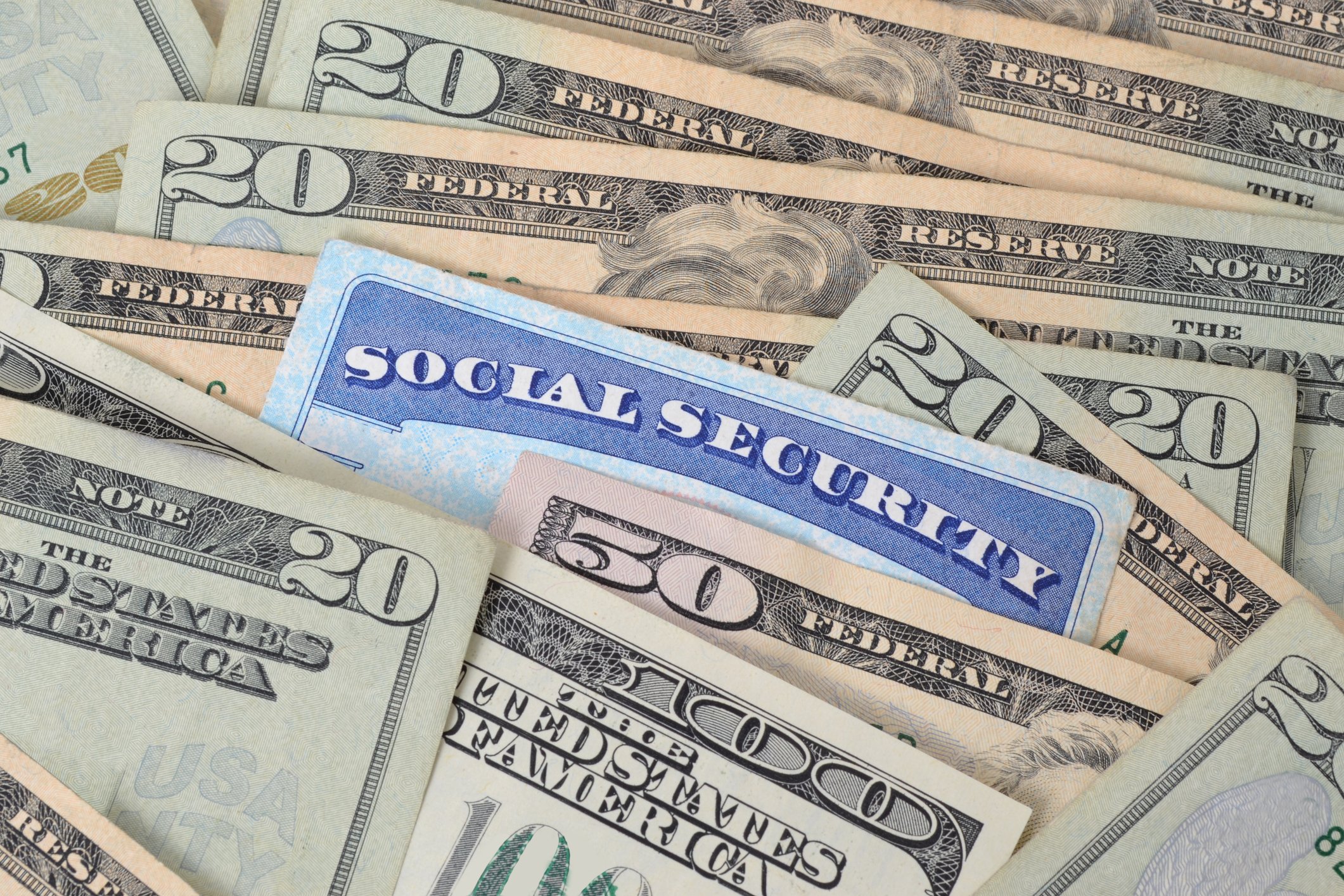
Retirement is a few decades away from me, and even though I am pretty frugal, I know it'll cost a lot. I also know I'll have Social Security checks to help me cover some of my expenses. But I don't spend too much time thinking about those.
It's not because I'm worried the program will disappear within the next few years. I know it won't. But I recognize that Social Security may not look the same in the future as it does today.

Image source: Getty Images.
Social Security is six years away from a funding shortfall
Social Security's trust funds will be depleted by 2032, according to the latest Social Security Trustees Report. After this point, the program will only be able to pay out 78% of scheduled benefits unless the government intervenes.
It's likely that the government will take steps to keep Social Security solvent for generations to come, but we don't yet know what those changes will look like. It's possible that they may involve higher payroll taxes for workers or an increased full retirement age (FRA), which would effectively act as a benefit cut for younger workers.
This uncertainty makes it difficult for anyone to estimate how far their Social Security checks will go in the future. That, in turn, makes it hard to plan how much of your retirement expenses you'll need to cover on your own. For now, I'm choosing to save as much as I can without worrying about how much I'll get from Social Security.
Why I prefer to be less dependent on Social Security
Once we have a better understanding of what Social Security will look like over the next several decades, I probably will start factoring it into my retirement plan. But even so, I'm not going to count on it to provide a significant portion of my retirement income if I can avoid it.
The more personal savings I have, the greater my financial security will be and the higher my standard of living. If it turns out that I wind up with more savings than I actually need, I'll have the option to retire earlier than I planned or to pass that extra money on to my children.
For now, I'm focusing on saving as much as I can each month for retirement and putting it away in a tax-advantaged retirement account. I'm also careful to keep some money in a savings account to cover emergencies, so I don't have to dip into my retirement savings prematurely.
When the government announces what changes it plans to make to Social Security, I'll review my approach and probably make some adjustments. But for now, I'm not allowing the program to influence my savings goals. The more I'm able to set aside for my future, the easier it will be to hit my long-term goals.