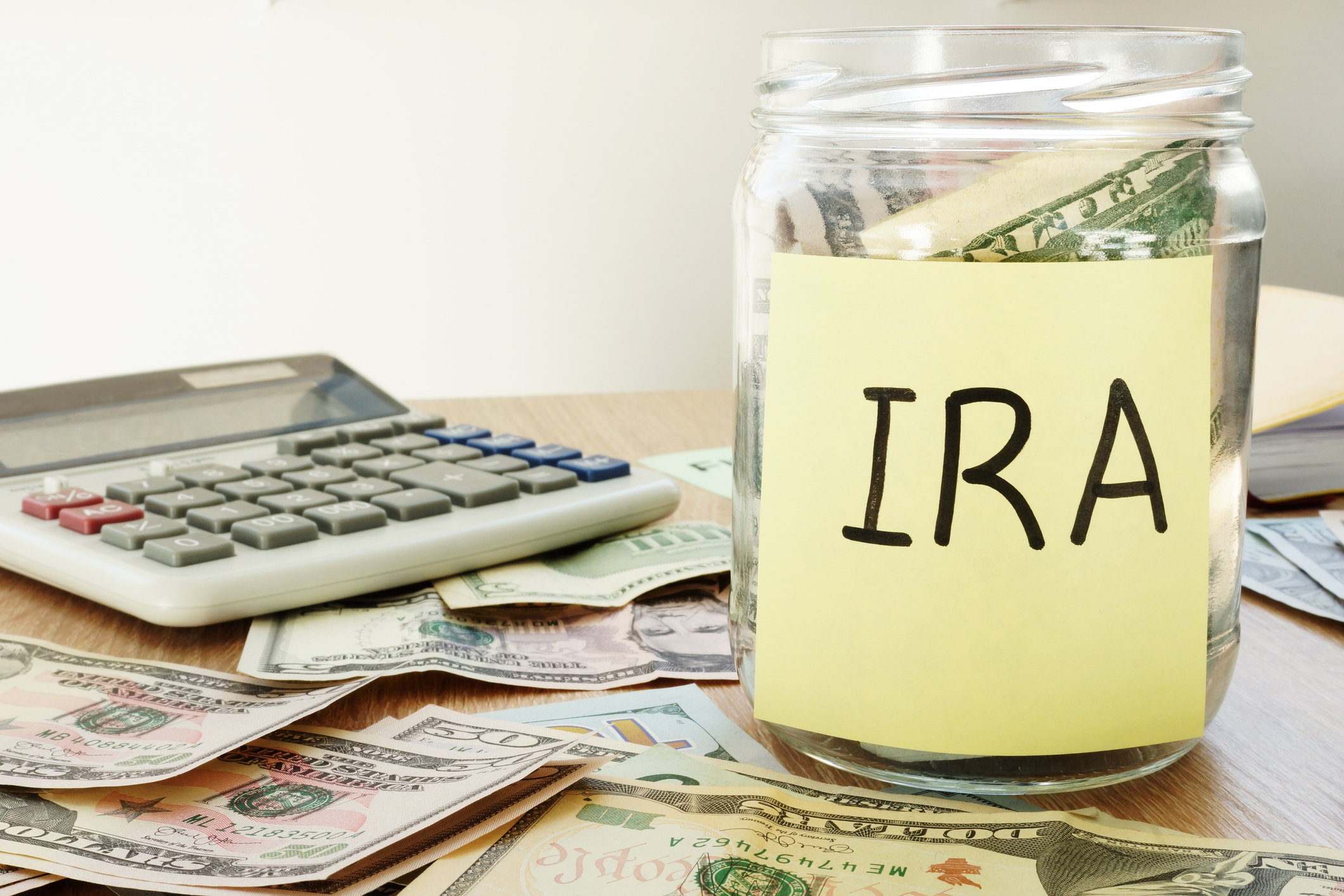
Borrowing rules
Q: Can I borrow from my IRA for 60 days?
Many IRA types (specifically excluding the inherited IRA) allow for the 60-day rule. This means you can withdraw money from your IRA as long as you return it in full within 60 days of the original withdrawal.
For example, if you take $10,000 from your IRA and your provider withholds 10% for federal tax, you'll receive $9,000 in cash, but you still must return $10,000 to your IRA within 60 days.
One wrinkle here is that you can only do this once within a 12-month period. It is also not "borrowing" in the traditional sense. It's primarily meant to facilitate IRA rollovers, but it can accomplish the desired result.
Q: Can you borrow from an IRA without penalty?
You can't borrow from an IRA, but the IRS provides a loophole where you can temporarily access your funds as long as long as you replace the money in full within 60 days. The IRS says that if you borrow money from an IRA, the account is no longer considered an IRA, and the IRS would include its entire value in your taxable income for the year.
Q: How much does it cost to borrow from your IRA?
While you won't pay any taxes, penalties, or interest if you withdraw money from your IRA and then return the funds in full within 60 days, you need to be extremely careful. If you fail to comply with any aspect of the 60-day rule, it can cost you quite a bit, including the opportunity cost of tax-advantaged growth in your retirement account. It also costs peace of mind to know that you're up against so many restrictive rules.
Q: How much can I borrow from an IRA?
You can withdraw the entire balance if you want, but your provider will withhold 10% for taxes. To avoid unnecessary costs, you'll still need to return the entire amount (pretax).
Key takeaways
Borrowing from your IRA is possible, but it is not recommended. There are also ways to qualify for an early distribution for qualified expenses, such as buying a home. Still, these IRA distributions fall under an exception, and you do not need to return them to your IRA.
Keep in mind that they call it an Individual Retirement Account (IRA) for a reason. Your IRA is intended for retirement, and it's best to use it for its intended purpose.