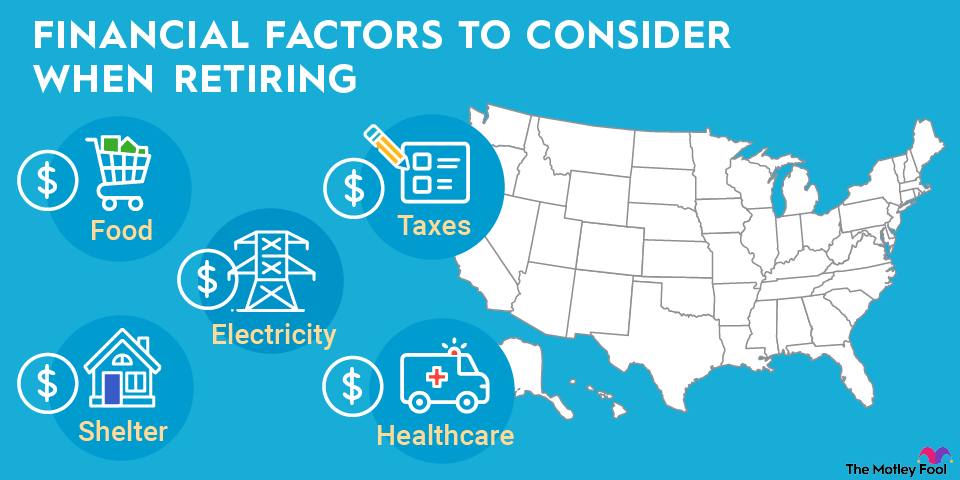
Florida is a popular retirement destination, and for good reasons. Financially speaking, Florida has no state income tax, no taxes on inheritances, no taxes on Social Security income, and no taxes on pensions, individual retirement accounts (IRAs), or 401(k) income. And the weather is generally pleasant (outside of the blistering summer months).
Generally speaking, there are some important factors to consider if you're thinking about making Florida a key part of your retirement plans:
- Cost of living. Some metros, such as Miami, will be at least as expensive as other U.S. metros, even after accounting for the tax benefits.
- Housing. Although many medium-sized Florida counties offer quite affordable housing, home insurance costs have been skyrocketing as providers account for the rising cost of natural disasters.
- Healthcare. Most of the best places to retire in Florida will have healthcare options that range from adequate to outstanding. Be sure your chosen area has specialists who can treat any condition that may worry you.
- Weather. Florida's weather has always been a factor in attracting retirees – at least until the last decade. As major storms become more frequent and intense, Florida's weather may cause many retirees to alter their retirement plans. Keep this in mind when looking for the best Florida city to retire.
The best places to retire in Florida
Here, we'll look at the six best places to retire in Florida on a budget.
1. The Villages
The Villages, one of the fastest-growing places in the United States, began as a mail-order real estate business in the 1960s. Its modern history dates back to 1992, when the developer changed the development's name to The Villages.
Located between Ocala and Orlando, Florida, it's grown from 8,000 people in 1992 to more than 80,000 residents -- largely because its rules require at least one person in a household to be 55 or older to live in the master-planned community.
Besides boasting more than 50 golf courses, The Villages operates 100 recreation centers, performing arts venues, a polo field, and more than 3,000 social clubs. Golf carts are one of the most common forms of transportation, making the area safer than many roads in Florida.
The relatively advanced age of most of its residents also makes it a fertile market for geriatric medical specialists. Additionally, the area's growth attracts a number of retail and grocery outlets, resulting in increased competition and lower prices.
2. Ocala
Located about halfway between Gainesville and Orlando, Florida, Ocala is one of the less expensive options for Florida retirement. Therefore, retirees on fixed incomes can make their retirement dollars go further.
The city is located in the middle of the state, so the area typically doesn't experience the dangerous hurricanes that threaten much of Florida's coastline. And that translates to lower home insurance costs.
Since it's not a major metro area, Ocala has a small-town feel and is relatively affordable and a reasonably short drive to the bigger (and more expensive) cities of Gainesville, Orlando, and Tampa. The city is especially attractive to horse enthusiasts, boasting over 600 horse farms and training facilities.
3. Lakeland
Lakeland is another Central Florida city that wins kudos for its affordable healthcare, housing, and grocery costs. Located roughly halfway between Tampa and Orlando, the city of around 122,000 is known for -- wait for it -- its lakes.
The city's location makes it a transportation hub for companies like FedEx (FDX -1.60%) and Amazon (AMZN -3.95%), and well-regarded grocer Publix is the area's biggest employer. It's also the baseball spring training home for the Detroit Tigers, which attracts a steady stream of fans in February and March.
4. Orlando
Best known for its entertainment options, Orlando is the fourth-biggest city in Florida, trailing only Jacksonville, Miami, and Tampa. Because it's such a sprawling metro, Orlando is generally more affordable than many other major U.S. cities and has a number of retirement communities.
As a big metro, Orlando has a relatively robust healthcare industry and no shortage of entertainment options for people of all ages -- more than many smaller Florida cities. It's also in the middle of the state, shielded from the worst of the storms that lash its coastline.
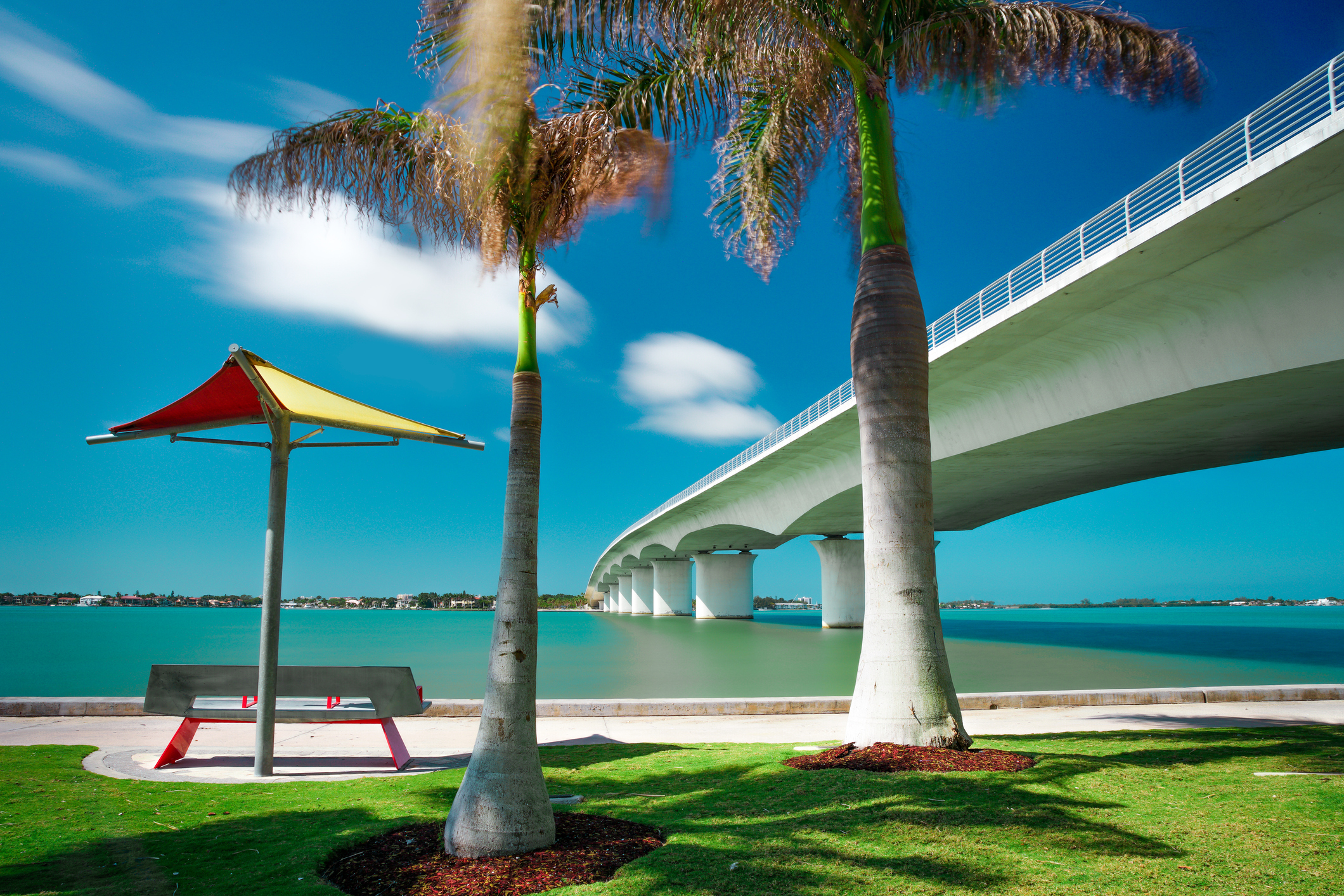
5. Sarasota
About 40% of Sarasota's population is over 60 years old, making it one of the more popular retirement destinations for older Americans. Sarasota is about an hour's drive south of Tampa and earns rave reviews for its waterfront, walkable downtown, and variety of communities.
As a community on the Gulf Coast, Sarasota has high home insurance rates and rapidly rising housing prices, but its property taxes remain reasonable. It also claims the most theaters, gardens, senior centers, and golf options of any retirement destination in Florida.
6. Pensacola
This Florida Panhandle city, which sits near the Alabama border on the Gulf Coast, has some of the state's most beautiful white-sand beaches and several state parks. Although it's best known for its tourism and military industries, the area's low cost of living and natural beauty are drawing an increasing number of older Americans, with roughly one-fourth of its population older than 60.
Like other Floridians, Pensacola residents pay no state income tax and enjoy several additional tax benefits aimed at senior citizens. However, not even older residents are immune from a 7.5% sales tax. And while Pensacola has a well-regarded hospital, some seniors may have to travel to obtain highly specialized care.
Related investing topics
Should you consider these places for retirement?
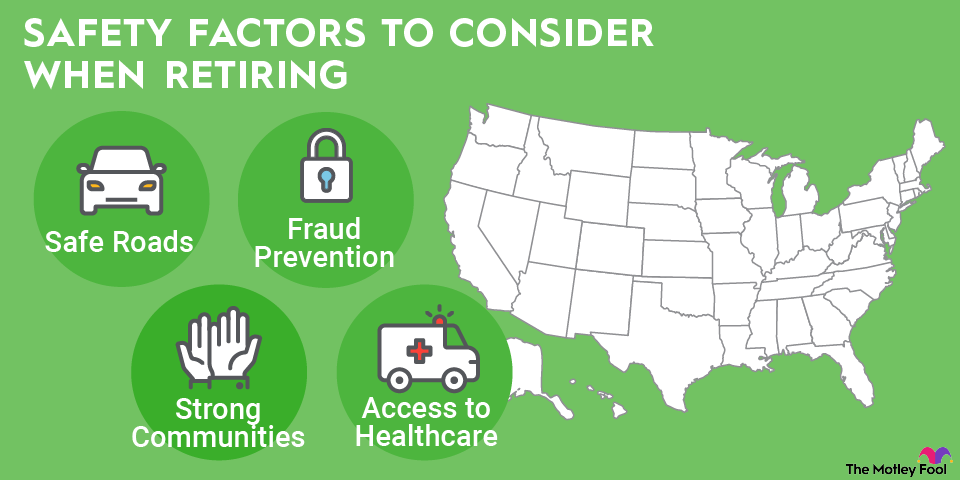
So, you've been shoveling snow for 40 years and are dreaming of a place in Florida where you can kick back, live on Social Security and savings, and enjoy the sun all year? It's a nice fantasy -- and can be a nice reality if you're careful about where you wind up.
Just because Florida is a low-tax state doesn't mean you won't have other major and recurring expenses -- think air-conditioning, storm windows, and steep insurance bills, just to name a few. Generally speaking, the interior of Florida will likely be more affordable and less risky for retirees than major coastal cities.
Places slightly off the beaten path, such as Ocala and Lakeland, are probably best suited for budget-minded seniors. Metros like Orlando offer world-class amenities. And if you insist on the coast, consider cities like Pensacola and Sarasota, with relatively affordable housing markets and easy access to the beach. Hopefully, you retire only once!
FAQ
Retiring in Florida: FAQ
About the Author