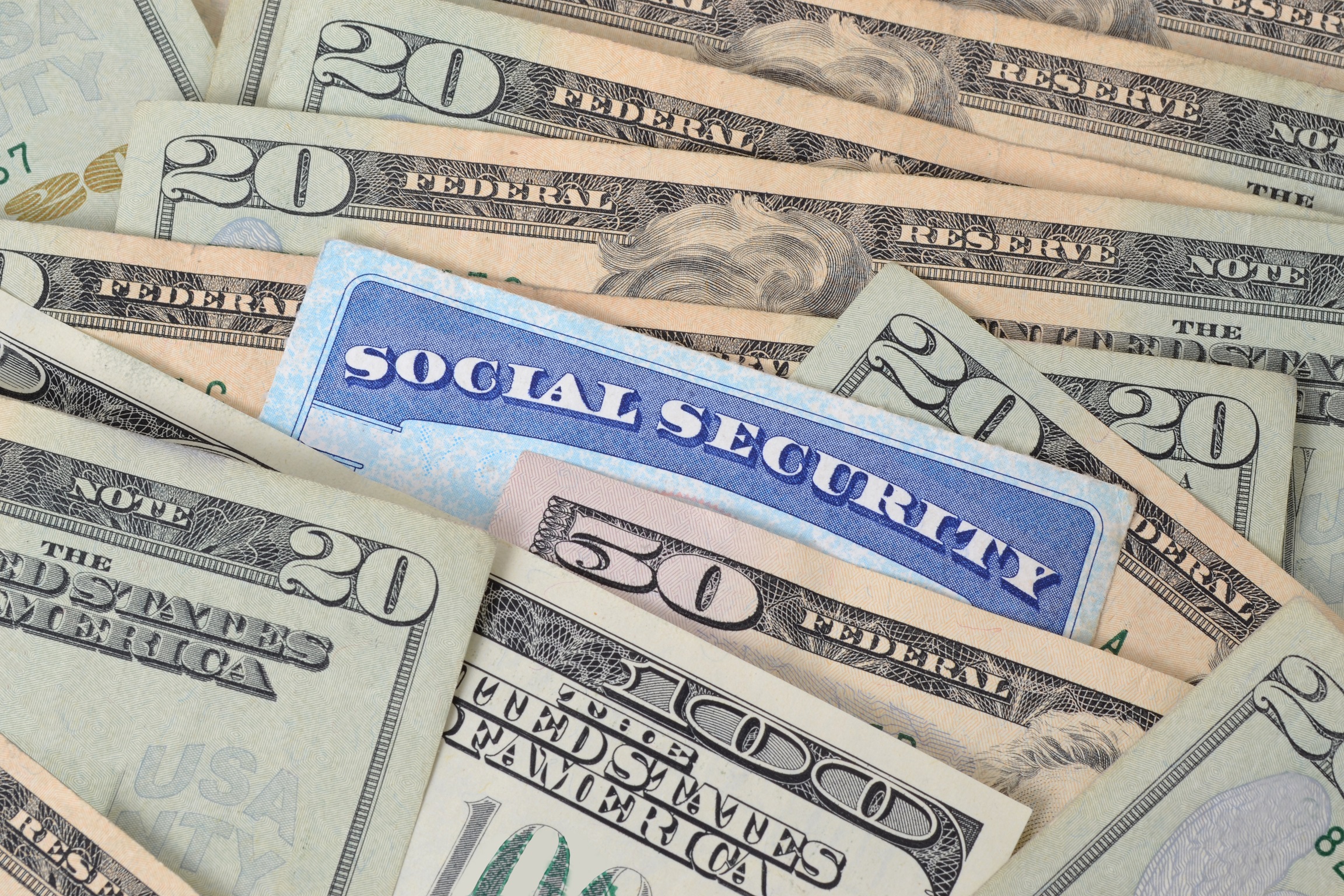
Why Social Security COLAs are important
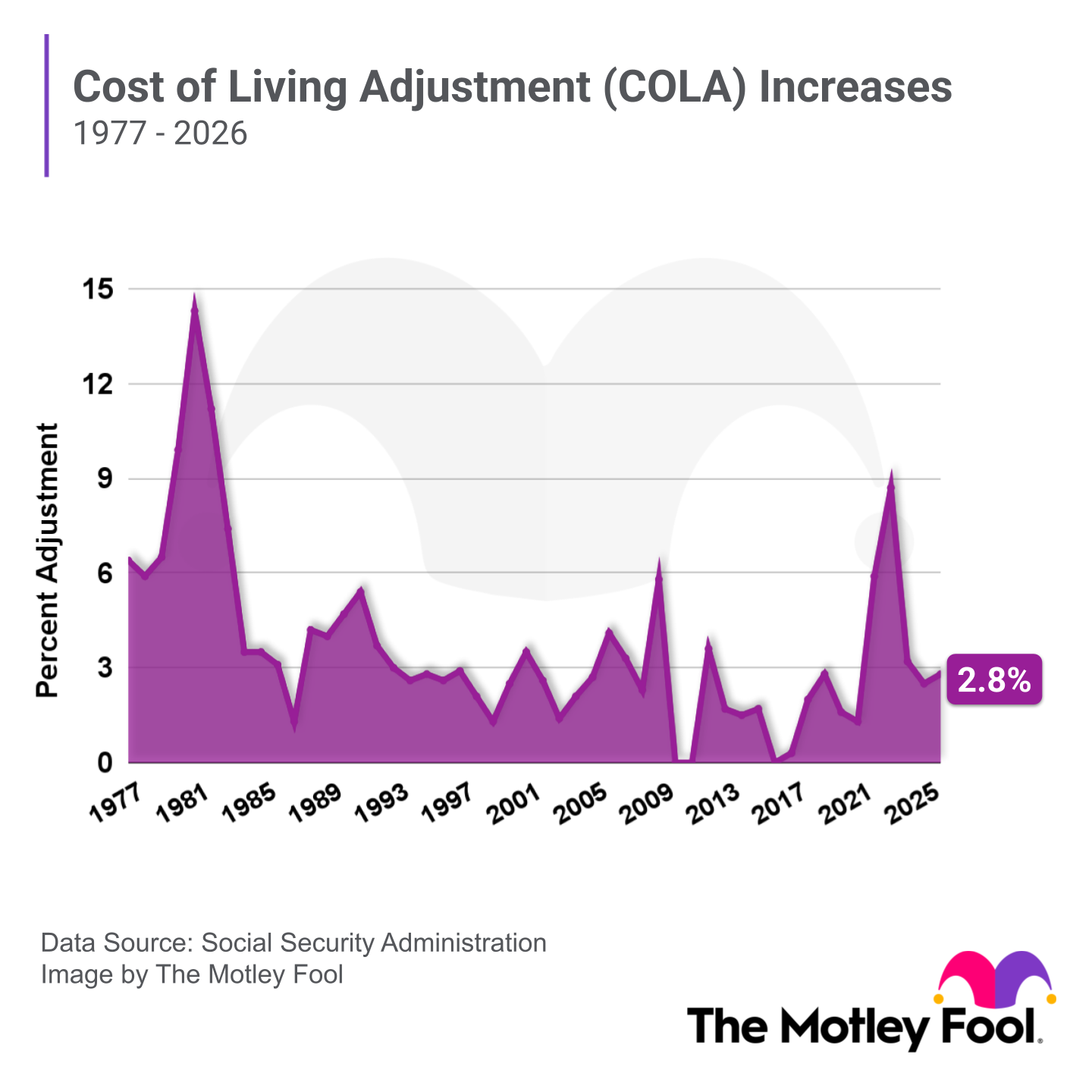
Social Security COLAs are designed to help your benefits keep pace with inflation over time. Without COLAs, seniors and people receiving Social Security disability benefits would find it difficult to maintain their standard of living as expenses rise and monthly checks remain the same.
On a practical level, a COLA means more money for all beneficiaries. Everyone will see a slightly different increase to their checks since your COLA is first applied to your primary insurance amount (PIA). This is the amount you're entitled to if you wait until your full retirement age (FRA) to apply. Then the Social Security benefit formula determines whether to adjust your checks up or down based on your age at signup. In some cases, COLAs can add $100 or more to a monthly check.
Some argue that Social Security COLAs don't do their job as well as they should. The Senior Citizens League estimates that Social Security has lost about 20% of its buying power since 2010 despite the COLAs.
The argument is that this is because COLAs are based on the Consumer Price Index for Urban Wage Earners and Clerical Workers (CPI-W). This index tracks the cost of a basket of goods and services over time. But many people feel that it's not an accurate representation of the average senior's spending.
Those unhappy with the current system feel that the Consumer Price Index for the Elderly (CPI-E), which is based on the spending habits of adults age 62 and older, would be a better base for Social Security COLAs. But so far, the government hasn't made any effort to change how it calculates the adjustments.
Part of the reason might be the funding crisis Social Security is facing. The program's trust funds are projected to be depleted in less than a decade, and if the government doesn't come up with additional sources of funding, it will have to cut benefits. Making a change like basing COLAs on the CPI-E instead of the CPI-W might result in larger benefits in the near future, but it could also speed the rate of trust fund depletion.
Because of this uncertainty, there's no way to know what Social Security COLAs might look like in a decade or two. They might be similar to what we experience today, or the government might decide to do something different.