Cons
- You don't actually own the real estate you're investing in.
- Instead of real estate appreciation, you're relying on dividend income.
- You have little to no say in how the company or properties are managed.
- You are exposed to the cyclical nature of real estate businesses.
Criteria to choose real estate stocks
It's important to carefully choose your real estate stocks, since there are so many available and not all can be winners. Different types of real estate stocks will have different metrics to examine. However, it's important to first understand their business so you can really think about the criteria that matter most to you.
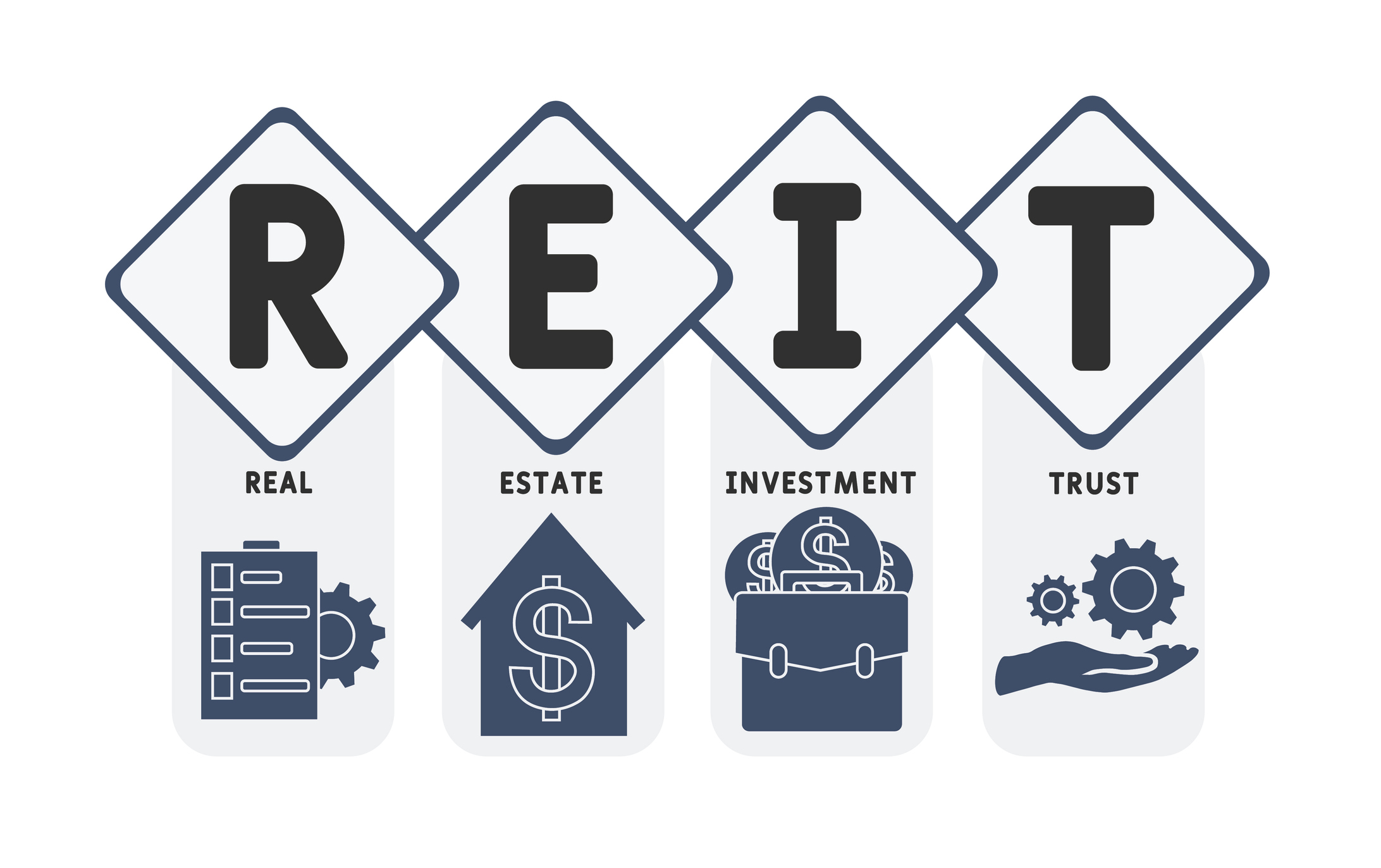
For example, with a REIT, it's important to consider how much debt the company has relative to its assets and income. REITs will have debt, especially during a building phase. But a debt-to-asset ratio topping 40% is where things may get dicey.
If the market were to dry up, they would still need to pay their bills. You can gauge their income by examining funds from operations -- in fact, REITs are often evaluated by FFO per share.
Other real estate companies, such as homebuilders, may have significant inventory that you should carefully examine. If a homebuilder has more homes than they can sell, this could be a sign that deep discounting is coming, and losses may follow.
Real estate companies largely operate on commissions, so it's important to know the number of agents in the company, their income streams, and the reliability of their income streams.
For example, if a real estate company primarily works with residential clients, the number of new listings it can produce and close consistently will figure into its overall performance; one that simply does property management needs only steady, long-term clients.
Tips for investing in real estate stocks
Investing in real estate stocks is much like investing in anything else. You must choose companies that you believe in, those that align with your personal ethics and values and that you'd be proud to say you're an owner in. However, there are so many diverse kinds of real estate stocks that it's difficult to give blanket advice for all of them at once. Here are a few tips for each major type of real estate player:
REITs: REITs are the major players in the real estate space, for good reason. Check the dividend yield to ensure it's sustainable and consistent over time, ensure the REIT's debt isn't too high compared to direct competitors, and look at how much money it is actually making from funds from operations.
Homebuilders: Homebuilders rely on debt to finance their business, so a lot of debt isn't necessarily a problem. The problems are a lot of lingering inventory, significant losses on projects that keep getting worse or aren't improving, and a lot of debt coming due in the near term, with these problems already in place. The real estate market is tough, and homebuilders are cyclical by nature, but good debt hygiene is critical.
Real estate brokerages: Real estate brokerages make most of their money by executing real estate transactions and collecting fees. They should neither be leveraged to the hilt nor have their expenses be too out of control compared to competitors. You want to see that they have good intangibles, like solid reputations and repeat business. However, they, too, are cyclical, and you must keep this in mind when buying real estate brokerage stocks.
Real estate software/analytics: Software or analytics firms that support real estate companies are a fairly new entry to the real estate stock world, but they should be treated basically like any software company. They should be light on debt, heavy on margin, and doing things that have great big moats that make them easy to defend.
Real estate stocks versus real estate ETFs
Real estate exchange-traded funds (ETFs) are collections of real estate stocks that can be ideal for those who don't know which companies they want to invest in and would prefer a professionally curated basket of stocks. ETFs can cost a bit more to own than stocks, but generally, they can help diversify your portfolio.
But if you're really interested in owning individual or specific real estate stocks, an ETF will only drag you into a world of frustration trying to find the right composition. For those investors, stocks are always the clear winner since you can mix and match your own basket and don't have to pay a fee for the pleasure.
The bottom line
There are plenty of ways to invest in real estate besides owning physical real estate assets. For many investors, real estate stocks can make all the best parts of owning real estate much more accessible and far less expensive. Whether you're interested in investing in apartment REITs or the builders who construct owner-occupied neighborhoods, there are lots of offerings on the table.
When evaluating real estate stocks, remember that many of the same rules apply as for any stock. Look for real estate companies with great offerings, whether it's leasable real estate or purchasable housing stock.
Make sure they aren't carrying a high level of debt that could become a serious liability in a downturn. The better they are at managing their money, the better off you'll be. And if the management team happens to own a big chunk of the company, that's pretty solid evidence that they're invested in making their company succeed by tying their own futures to that success.