Loading paragraph...
Loading definition...
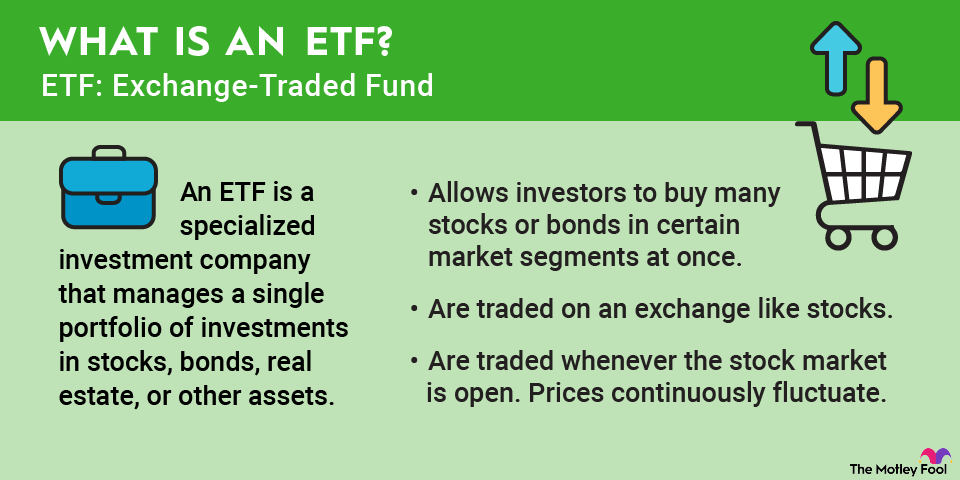
Open-ended refers to the fund's ability to issue and redeem shares on an ongoing basis, allowing investors to easily enter and exit their positions based on the market price of the ETF.
Loading image...
Loading paragraph...
Loading paragraph...
Loading paragraph...
Loading hub_pages...
Loading paragraph...
Loading image...
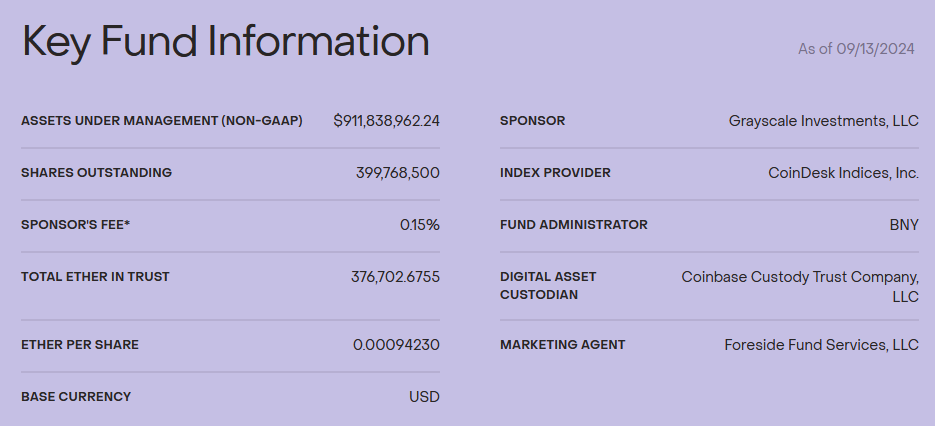
Vital information includes the sponsor fee, the AUM, the amount of Ether held in the trust, the Ether-to-share ratio, and the fund's custodian, ensuring transparency for anyone considering an investment.
Tony Dong has no position in any of the stocks mentioned. The Motley Fool has positions in and recommends Ethereum. The Motley Fool has a disclosure policy.