Traditionally, a point-of-sale (POS) system was just a cash register, but over the years they’ve evolved with technology to include credit readers, barcode scanners, receipt printers, and app readers to allow for easy and convenient payment.
Keep reading to learn more about point-of-sale systems, how they work, what they do, and how they can help your business.
What is a point-of-sale system?
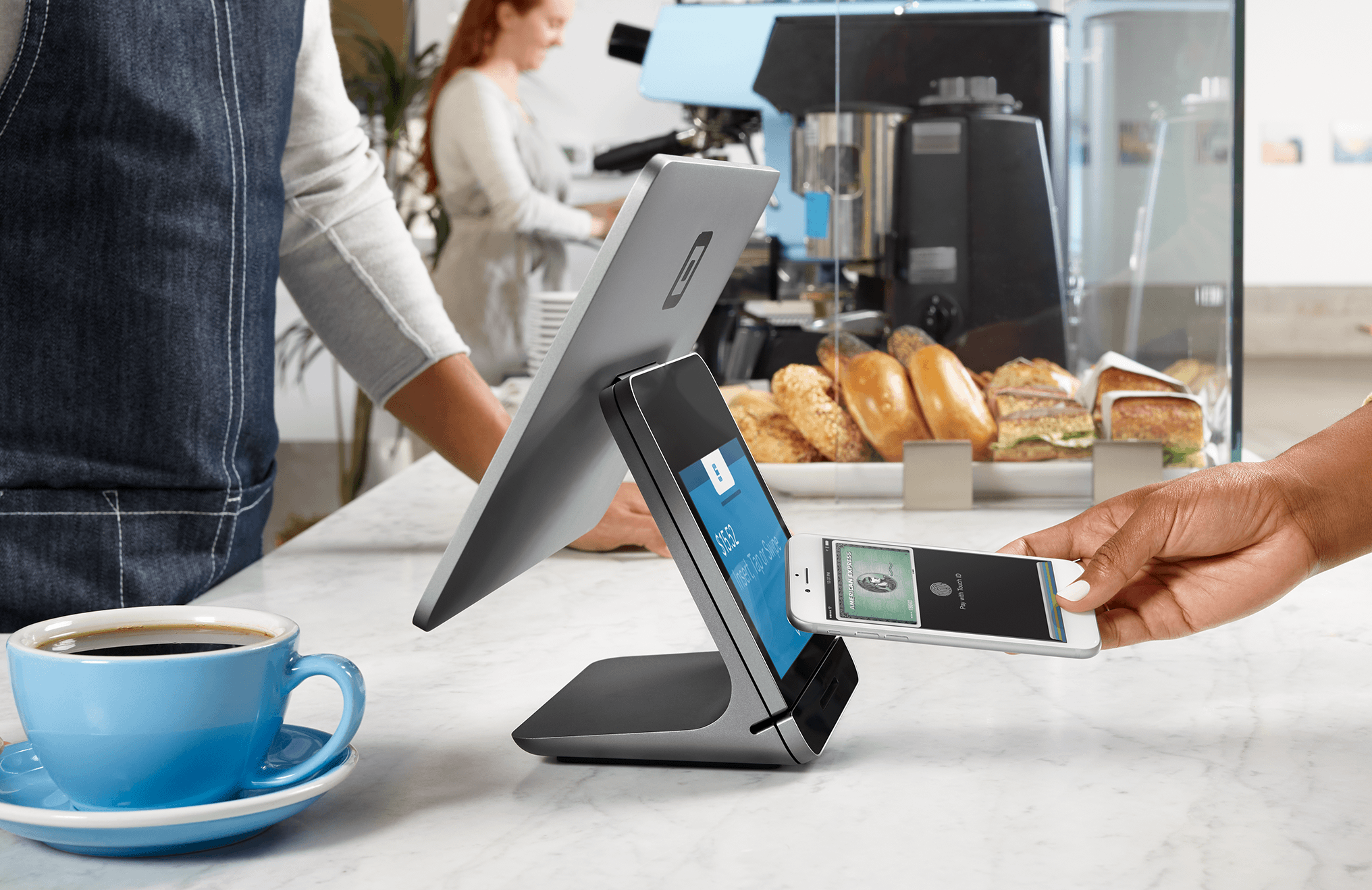
A POS (point-of-sale) system refers to any device or technology used where a sale is made. Whether it’s used for a brick-and-mortar store or an online business, a POS system typically consists of a set of devices that help businesses take payments. These include credit card readers, receipt printers, and other devices such as scanners that cashiers use to ring up sales and accept payment.
Depending on the type of business, there are different features that a point-of-sale system might use. In certain kinds of businesses, such as restaurants, you may want to have the ability to prompt the customer to tip, and mobile card readers can help business associates or a server in a restaurant ring up a customer away from the POS station, adding convenience.
The POS system also tracks sales, inventory, and other information so you know how your business is performing, and it can make adjustments accordingly.
Unlike the old days when a point-of-sale system was mostly a cash register and (maybe) a credit card reader, a POS can now be fully integrated into business operations.
For instance, a restaurant could have a point-of-sale system that sends orders to the kitchen, schedules tables for reservations, and even tracks inventory to assist with ordering. A POS could also be used for employees to clock in and out, tracking labor expenses as well as product costs. Such systems can save a lot of the human labor that used to be necessary for tasks such as inventory management, freeing up time for more valuable work.
Because the POS system is digital, the information can be tracked from anywhere. For instance, a small business owner can check in on sales even when they’re not in the store simply by using an app. As technology improves, automation and other POS features are likely to get even better, making it easier for owner-operators and others to run their businesses.
How to choose a point-of-sale system
Business owners and others have lots of different options today. Tech companies such as Block (NYSE:SQ), Shopify (NYSE:SHOP), Toast (TOST -0.18%), and LightSpeed (LSPD -0.56%) are all eager to sign you up to their services.
For these tech companies, point-of-sale systems have high retention rates and are good business models because they allow these companies to keep collecting money on transaction fees after you’ve purchased the hardware and installed the software. Typically, they come with monthly subscription fees.
If you’re considering buying a POS system, you’ll want to check on fees for payment processing, which is generally based on a percentage of a sale plus a flat fee, and the monthly subscription fee, which can vary depending on the type of plan.
You’ll also find that different companies specialize in different kinds of systems for different businesses. For instance, Toast is focused on the restaurant industry, and Block’s Square is also popular among small restaurants and retail shops. Shopify is mostly designed for online sellers, although it can also be used in stores. Consider the different features you’d like your POS system to have and choose which system best matches your needs.
How a POS system can improve your business
If you’re considering upgrading your current POS system, there are a lot of new features that can help your business and make it easier to run.
If you have a retail store or a storefront business, you might want to upgrade your POS system to add features such as invoicing, scheduling inventory management, and analytics to help you make better decisions about your business.
A good point-of-sale system can also improve the customer experience by allowing for more payment methods and processing faster transactions. It can provide better security, making you less vulnerable to a data breach, and it also saves time for your employees, freeing them to work on tasks that will add value to your business.
For modern, customer-facing businesses, a POS system is an essential tool, and investing in one is likely to pay off in added convenience and improved data. With the next bull market around the corner, a new point-of-sale system could help capitalize on the economic recovery.
About the Author