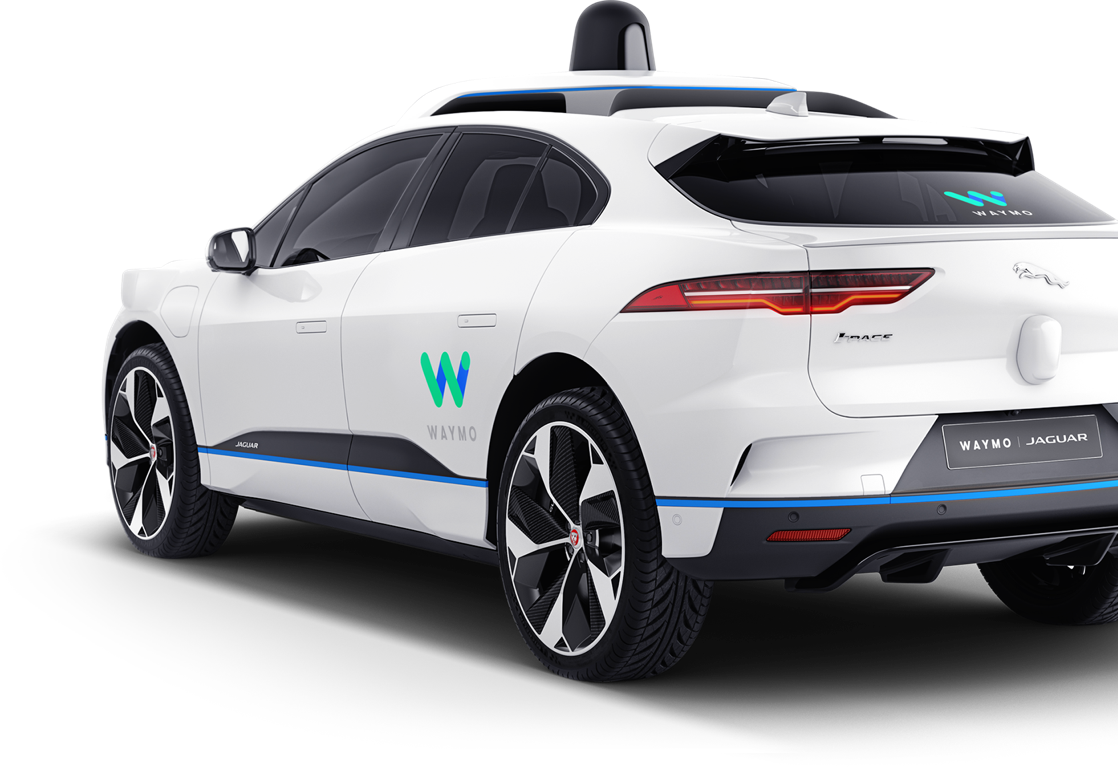
For investors in the automotive space, it's important to keep up with cutting-edge technology as it develops. The self-driving vehicle is one such type of tech. These have been in production at some level for years; many with some level of autonomous driving are already on the road. Read on to learn more about how these vehicles work.

What is a self-driving vehicle?
The idea of a self-driving car has been around for a while, arguably going back to the 1950s when cruise control was invented. There's no single definition of a self-driving car, but everyone agrees there has to be some level of automation to the driving process.
Today, these different types of automations are divided into two categories: driver support and automation systems. Driver support makes driving easier, with tools like cruise control, lane-keeping assistance, and hands-free capabilities. Autonomous systems actually drive the car for you, and some autonomous ride-share vehicles are being road-tested in large cities in the U.S.
How do self-driving vehicles work?
Self-driving vehicles are complicated tools, with many different paths to the same or a similar solution. But you can generally assume that most create and maintain an internal map of their surroundings using tools like cameras, sensors, LIDAR, radar, and pre-loaded maps.
All this data is processed by hardware and software in the car or at a central fixed location, as well as applying a vast array of rules for driving. This might include specific driving algorithms for the specific areas where the vehicle is operating, traffic laws, or predictive modeling, often a combination of all of these.
Future self-driving vehicles may be able to communicate with other cars on the road, making them even more likely to avoid collisions.
Levels of autonomy for self-driving vehicles
Self-driving vehicles are still an emerging technology, so the lines are a bit blurred between the levels of autonomy. There are generally considered to be six levels, with levels 0-2 considered to be driver support features only, and levels 3-5 being true autonomous capabilities.
- Level 0. Cars at Level 0 have no way to intervene in driving, though they can have sensors like blind-spot warnings. Most will be equipped with cruise control.
- Level 1. Level 1 can intervene very slightly when it comes to safety issues. Lane-keeping systems that help keep the car in a lane is a great example of this.
- Level 2. Features in a Level 2 vehicle can communicate with one another, and all can be active at the same time. An example would be an adaptive cruise control system that works with the lane-keeping system to keep you in the middle of the lane and a safe distance from the next car. The driver must still be in control of the vehicle at all times.
- Level 3. The vehicle can drive itself under specific conditions without intervention. They can often manage speed and steering, negotiate curves, and follow a set path, but drivers should always be prepared to take over.
- Level 4. Level 4 is where robotaxis start. These cars can drive themselves entirely on fixed routes, and may not even have steering wheels or pedals. These vehicles are not yet approved for general use anywhere in the U.S., but are in testing.
- Level 5. Truly self-driving cars that require no intervention and can travel anywhere are the Level 5 vehicles. They have no steering wheels or pedals. These vehicles are strictly theoretical; research and development (R&D) hasn't really reached this level.
Related investing topics
Why self-driving vehicles matter to investors
Self-driving vehicles hold the potential to solve a lot of different problems for drivers, freight-carrying fleets, and companies offering shuttle or taxi services. Having the option to have more vehicles with fewer drivers can stretch an already taxed workforce, especially in areas like long-haul freight carriers.
The potential for increasing highway safety, eliminating major traffic congestion that is caused by human error, and allowing people with disabilities to operate their own vehicles are all very noble applications for these technologies, and may one day change the way people get around.
For long-term investors, the main areas to keep an eye on are the self-driving taxis currently in development by companies like Waymo and automated freight carriers that can expand capacity for freight movers that are experiencing a serious shortage of qualified drivers. Both of these areas have immense potential for expansion if people can accept and trust the technology.