Buying Rivian Automotive (RIVN +1.92%) requires a leap of faith. That's the big story for the stock, which represents ownership in what is still a start-up business. If everything works out as well as management hopes, Rivian could be a big winner. If things don't work out as well as hoped, the company could struggle to remain a stand-alone business.
Here's what you need to consider before buying Rivian if you're thinking you are going to set yourself up for life.
There are risks and rewards with every investment
There is a saying on Wall Street that there are no free lunches. When it comes to investing in Rivian, this statement suggests that the significant upside opportunity comes with substantial risks. If you are considering buying Rivian, you need to consider what a negative outcome would look like.

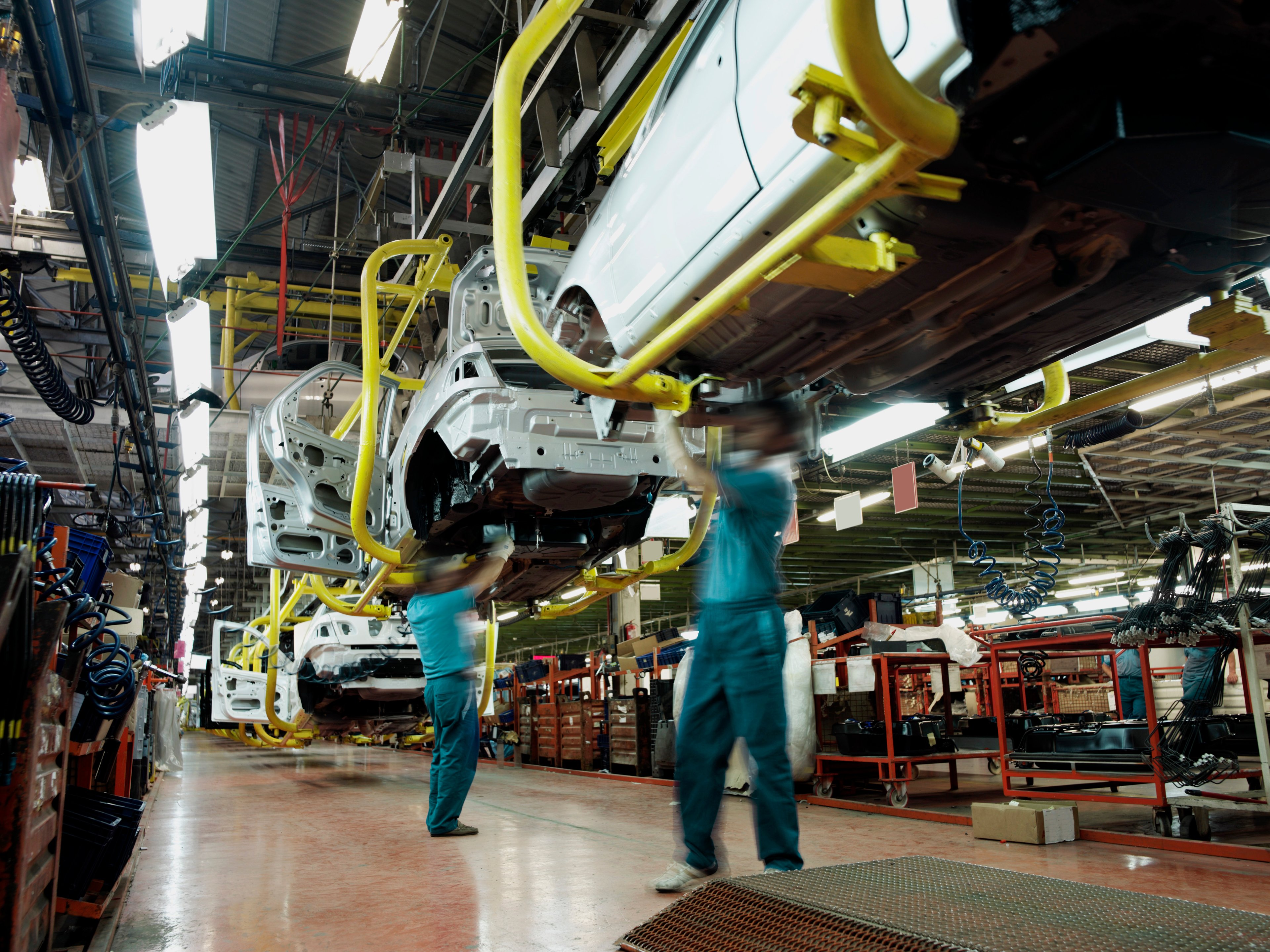
Image source: Getty Images.
At this point, Rivian has achieved a significant number of its internal goals. The big ones included achieving production at scale and generating a gross profit by the end of 2024. It is always a good thing when management successfully hits its goals.
However, a gross profit is very different from positive earnings. A gross profit simply means that Rivian generated more income from the sale of its electric vehicles (EVs) than it cost to make them. There are costs further down on the income statement that will likely keep the company in the red for years to come, including sales, general, and administrative expenses, as well as research and development costs.
The truth is, Rivian is still a money-losing start-up, hoping to leverage new technology (EVs) to establish itself in the automotive sector. That's a bigger task than it may seem, given that the industry is highly competitive and dominated by a few very large competitors. Rivian's management team needs to achieve many more wins before it can become a sustainably profitable business.
Rivian's next big goal
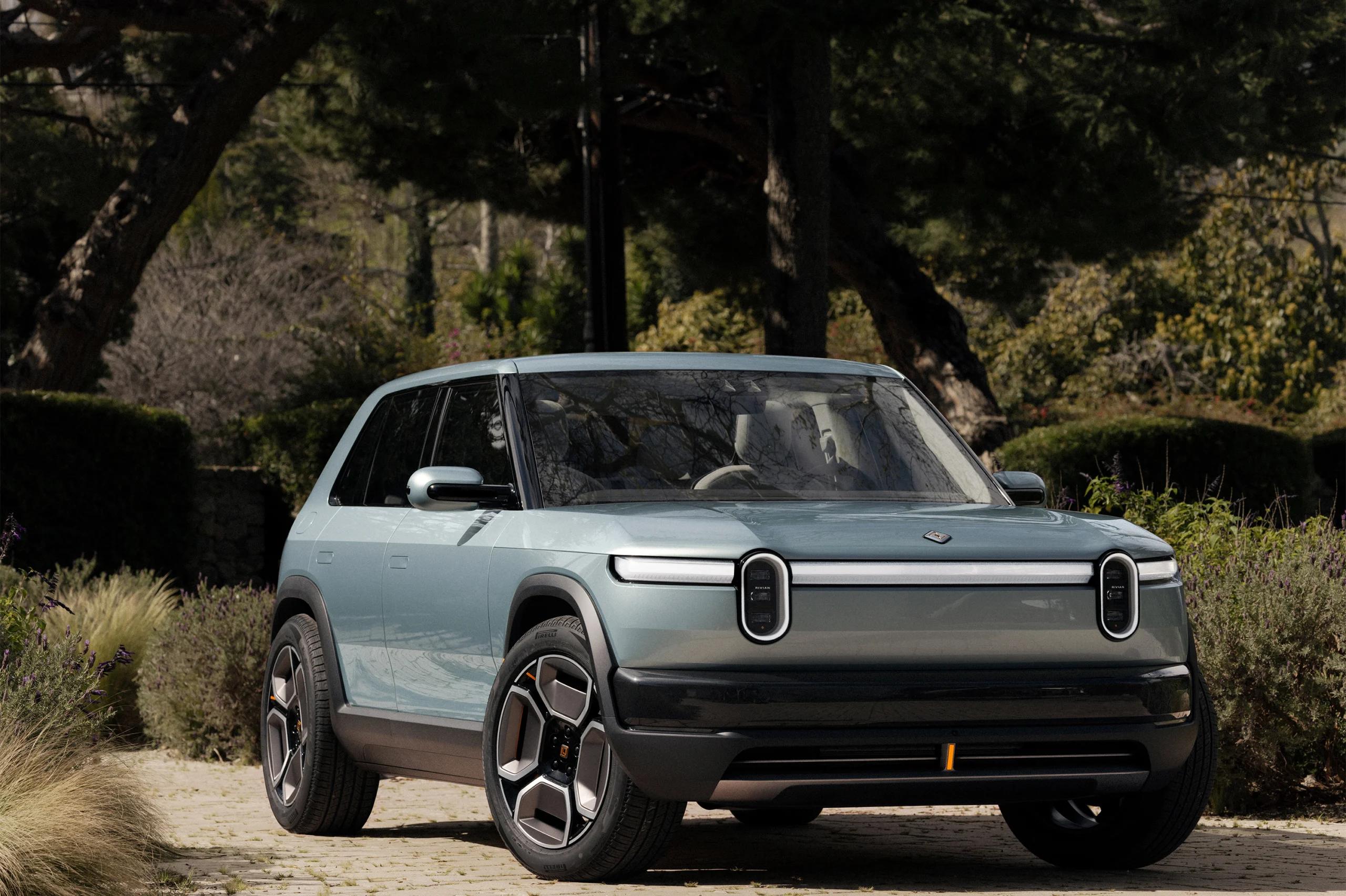
The next important target to monitor as an investor is the R2, which is Rivian's lower-cost truck model. It is intended to be a mass-market vehicle, which the company hopes will broaden its customer base. According to the company, the R2 is "on track" for a release in 2026. Rivian needs the launch of the R2 to be a success if it has any hope of turning a sustainable profit.

NASDAQ: RIVN
Key Data Points
Essentially, the R2 will allow Rivian to spread its costs over more vehicle sales. That's not an optional goal; Rivian probably can't survive as a business if the R2 isn't well-received.
On the positive side, the company ended the second quarter of 2025 with $7.5 billion of cash and investments on its balance sheet. That cash hoard makes the launch of the R2 an almost certain outcome, barring any massive problems.
The big question mark is with consumers. Will the R2 sell well enough to keep Rivian moving forward? If it does, the stock likely has material upside. If the R2's reception is mediocre or bad, Rivian's future could be shorter than hoped.
To be fair, "shorter" is an open term, as the company's technology could be attractive to a larger, more established competitor. But you probably shouldn't buy Rivian if you are hoping the R2 flames out so that the company ends up getting acquired.
Be careful with your bets on Rivian
Rivian has achieved a great deal in a very short period of time. If it continues to string together successes, it could certainly set investors up for substantial profits if they buy it today.
But the risk of failure isn't immaterial. If you need your investments to help pay for your life in retirement, Rivian should probably only make up a small part of an otherwise diversified portfolio. And if you are risk-averse, well, you should probably pass on Rivian until the launch of the R2 has played out.