TransDigm Group (TDG 1.73%) doesn't show up on dividend stock screens, yet it has quietly returned more capital to shareholders than many traditional dividend payers. Since 2019, the aerospace component supplier has paid out $248.50 per share through special dividends, an overlooked return stream that has quietly rewarded patient shareholders while the company built one of the most profitable businesses in its industry.
The sole-source advantage and aftermarket gold mine
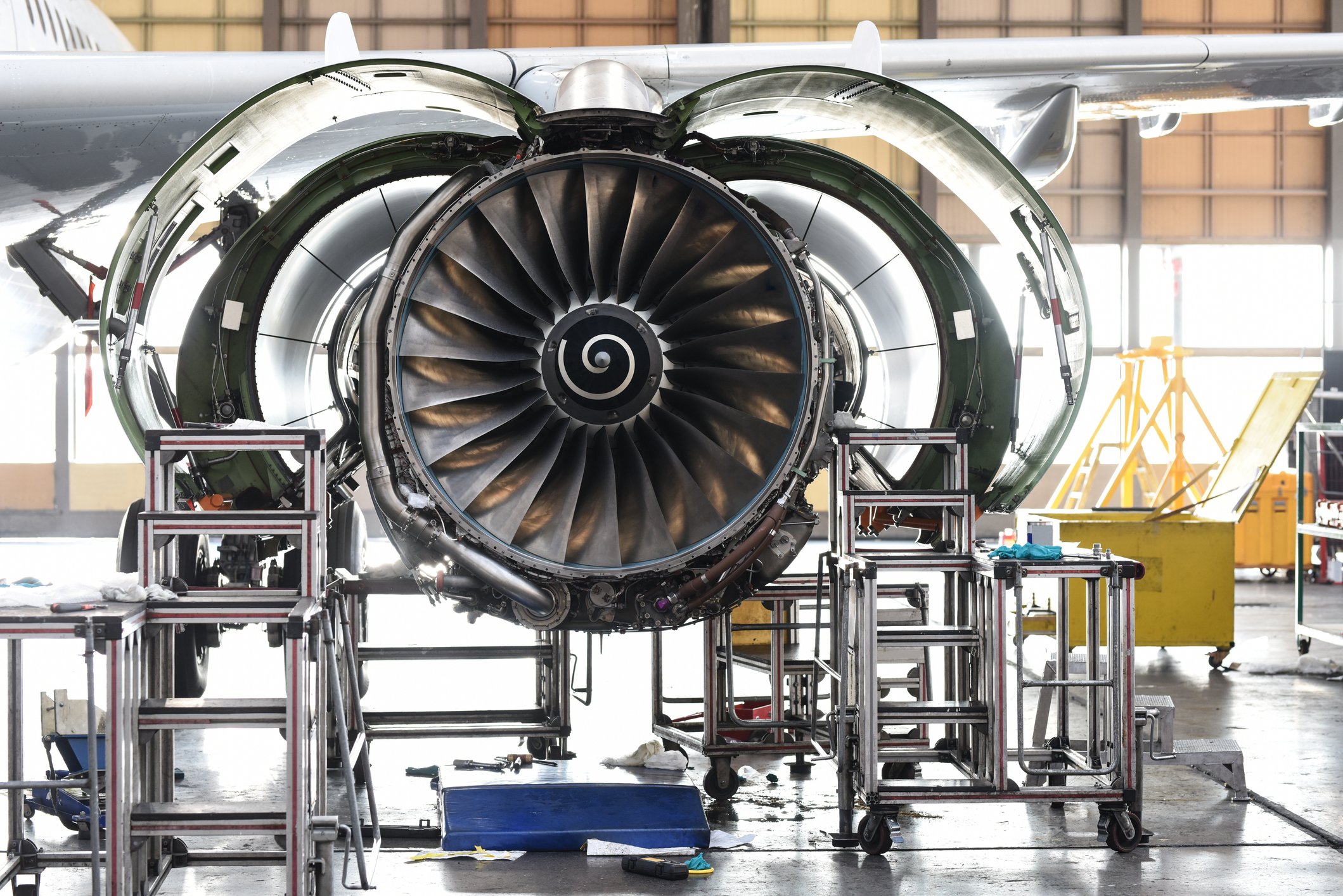
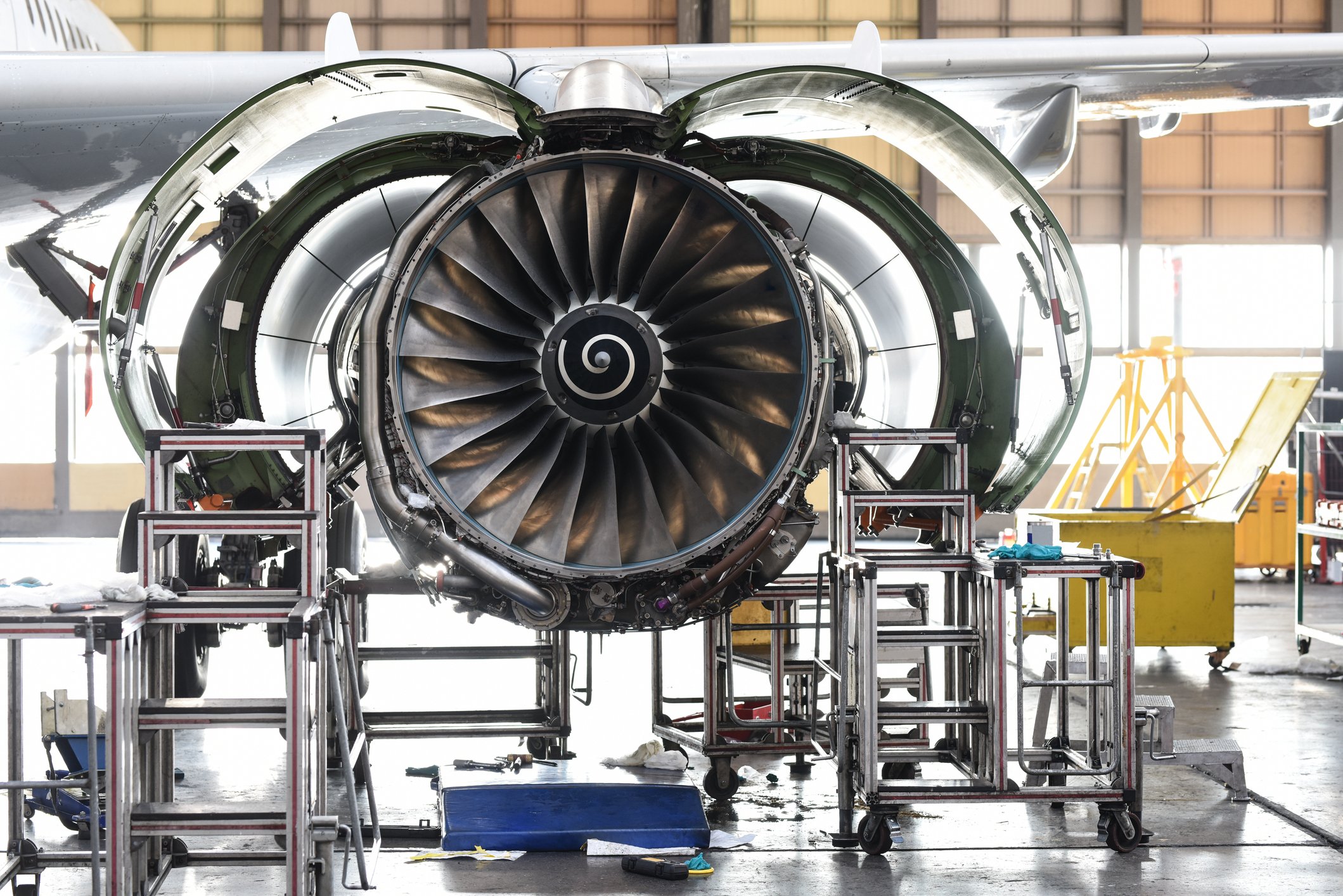
TransDigm's strategy is straightforward: corner the markets for specialized aircraft parts that are easy to overlook, but impossible to do without. The company has executed this playbook for a long time, acquiring 93 businesses since 1993 to build dominant positions in niche markets that most companies ignore. These markets include components such as latches, valves, ignition systems, and actuators that keep planes flying.

NYSE: TDG
Key Data Points
What makes the business model so simple yet effective is that roughly 80% of TransDigm's sales come from parts where it's the sole supplier, and 90% of its products are proprietary. Once a TransDigm component is certified on an aircraft platform, it typically stays there for the plane's 25-to-30-year lifespan. FAA certification creates switching costs so high that replacing a TransDigm part requires costly recertification that airlines rarely pursue.
The real gold mine is the aftermarket. While sales here make up roughly half of TransDigm's revenue, they deliver about three-quarters of total profits, thanks to margins that dwarf the original equipment business. The economics work in TransDigm's favor: When a grounded plane costs millions per day, paying a premium price for a critical replacement part becomes an easy decision.
TransDigm maintains extensive global inventories to ensure parts arrive fast, an expensive strategy that works because customers are willing to pay premium prices for speed and reliability. TransDigm's pricing power is evident in its earnings before interest, taxes, depreciation, and amortization (EBITDA) margins, which came in at 54% in fiscal 2024.
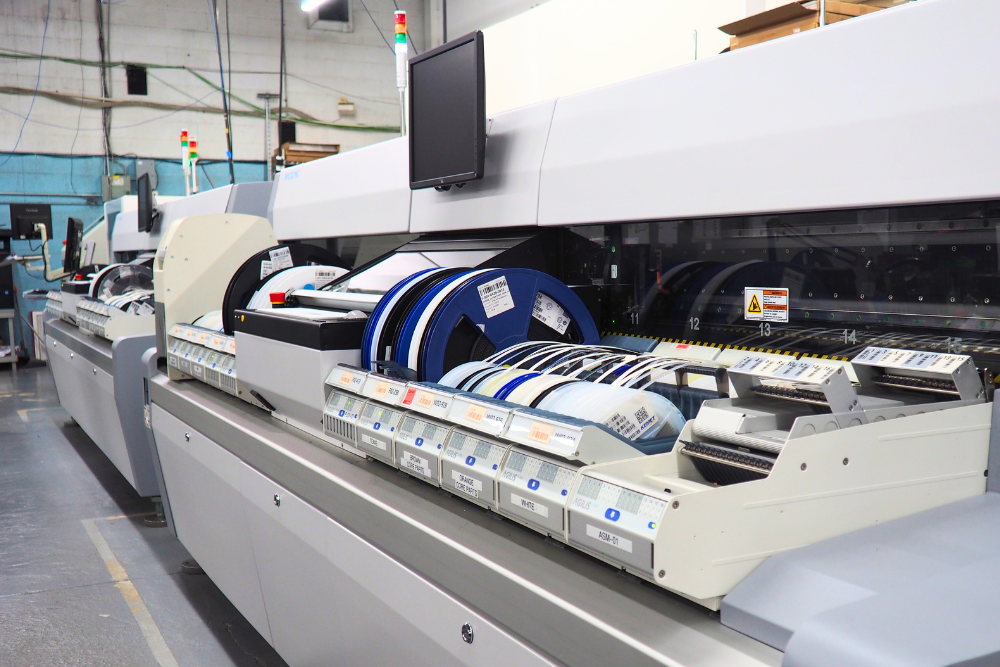
Image source: TransDigm investor relations.
The overlooked special dividend story
Here's what some investors miss: TransDigm has been a significant dividend payer, just not in the traditional sense. Since its first special dividend in 2014, the company has established a pattern of returning capital to shareholders opportunistically.
Over the past four years, TransDigm has paid four special dividends, increasing from $18.50 per share to its most recent payout of $90 per share in September. With the stock trading at around $1,350 per share at the time, that represents a dividend yield of approximately 6.7%.
Each dividend is debt-financed, reflecting management's belief that returns on borrowed capital will exceed its cost. Management's goal is to deliver private equity-like returns with public market liquidity.
This strategy requires disciplined use of leverage. Currently, net debt sits at $27.4 billion, or 5.8x EBITDA, within its target range of 5 to 7 times EBITDA. While I wouldn't normally encourage a company to finance dividends with debt, TransDigm has executed this strategy quite well over the years.
As the sole-source supplier for many of its parts, the company generates reliable cash flows from necessary aircraft maintenance, in good times and bad. This helps make the company's leverage manageable. Looking ahead, one challenge will be finding enough attractive acquisition opportunities to maintain growth.
For investors needing reliable income, TransDigm may not be the stock for you due to the uncertain timing of its special dividends. But for total return investors, these special dividends represent meaningful capital returns.
Quality comes at a price
For fiscal 2026, management projects 11.5% revenue growth, but EBITDA margins are expected to shrink by nearly two percentage points as recent acquisitions like Simmonds Precision drag down profitability. Management expects to optimize these businesses over time, but the near-term margin pressure impacts growth.
The market has long recognized TransDigm's edge. With the stock trading at 36x forward earnings, there's plenty of growth already priced in. That's not cheap for a company that depends on acquisitions to fuel growth, but it's reasonable, given the company's track record. If TransDigm can't successfully improve margins at recent acquisitions or if Boeing and Airbus SE production rates continue to disappoint, profitability could remain under pressure longer than expected.
At an $73 billion market cap, finding enough accretive M&A targets to move the needle also becomes increasingly challenging. In addition, with a total debt of $30 billion, rising interest rates create an additional headwind to earnings growth.
Regulatory scrutiny remains a wild card. A 2019 Department of Defense investigation found that TransDigm had earned "excessive profits" on military contracts, resulting in a $16 million refund. While the business model is legal, increased political pressure on defense contractors or new regulations limiting sole-source pricing could impact profitability down the road.
Is TranDigm a Buy?
TransDigm has built one of the most durable business models in aerospace. Its sole-source supplier status, FAA certification moats, and aftermarket dominance create pricing power that few companies can match. Meanwhile, the special dividend strategy adds a unique return component that most investors overlook.
The business quality is unquestionable, and the stock is compelling for investors focused on total returns rather than quarterly dividends. At current prices, with margin headwinds ahead, building a position over time makes more sense than backing up the truck.