After six decades at the helm, Warren Buffett will step down as Berkshire Hathaway's (BRK.A 0.13%) (BRK.B +0.07%) CEO at the end of 2025. However, investors will likely continue to track Berkshire's massive $315.8 billion stock portfolio for fresh investing ideas.
One of those standout stocks is Visa (V 0.25%), which Berkshire started to accumulate in 2011. It now holds 8.3 million shares, which are worth $2.9 billion and give it a 0.4% stake in the company. It also accounts for 0.9% of Berkshire's portfolio as its 18th largest holding.
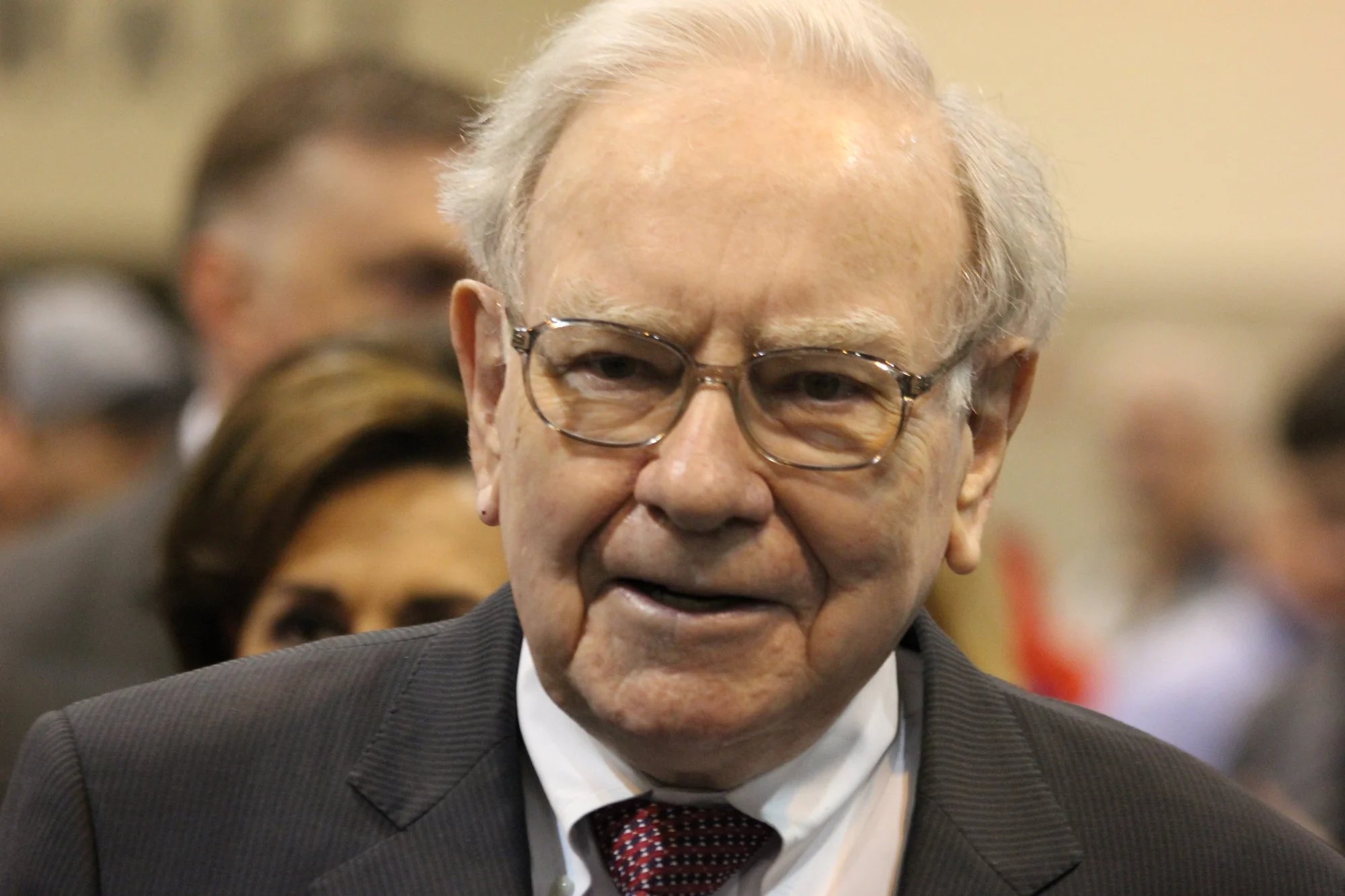
Berkshire Hathaway CEO Warren Buffett. Image source: The Motley Fool.
Visa's stock has risen nearly sevenfold from Berkshire's average purchase price of $52, but it could still turn a modest $1,000 investment into a substantial amount of money. Let's review the four reasons it should remain one of the best Buffett-approved stocks to own in this choppy market.

NYSE: V
Key Data Points
1. An evergreen business model
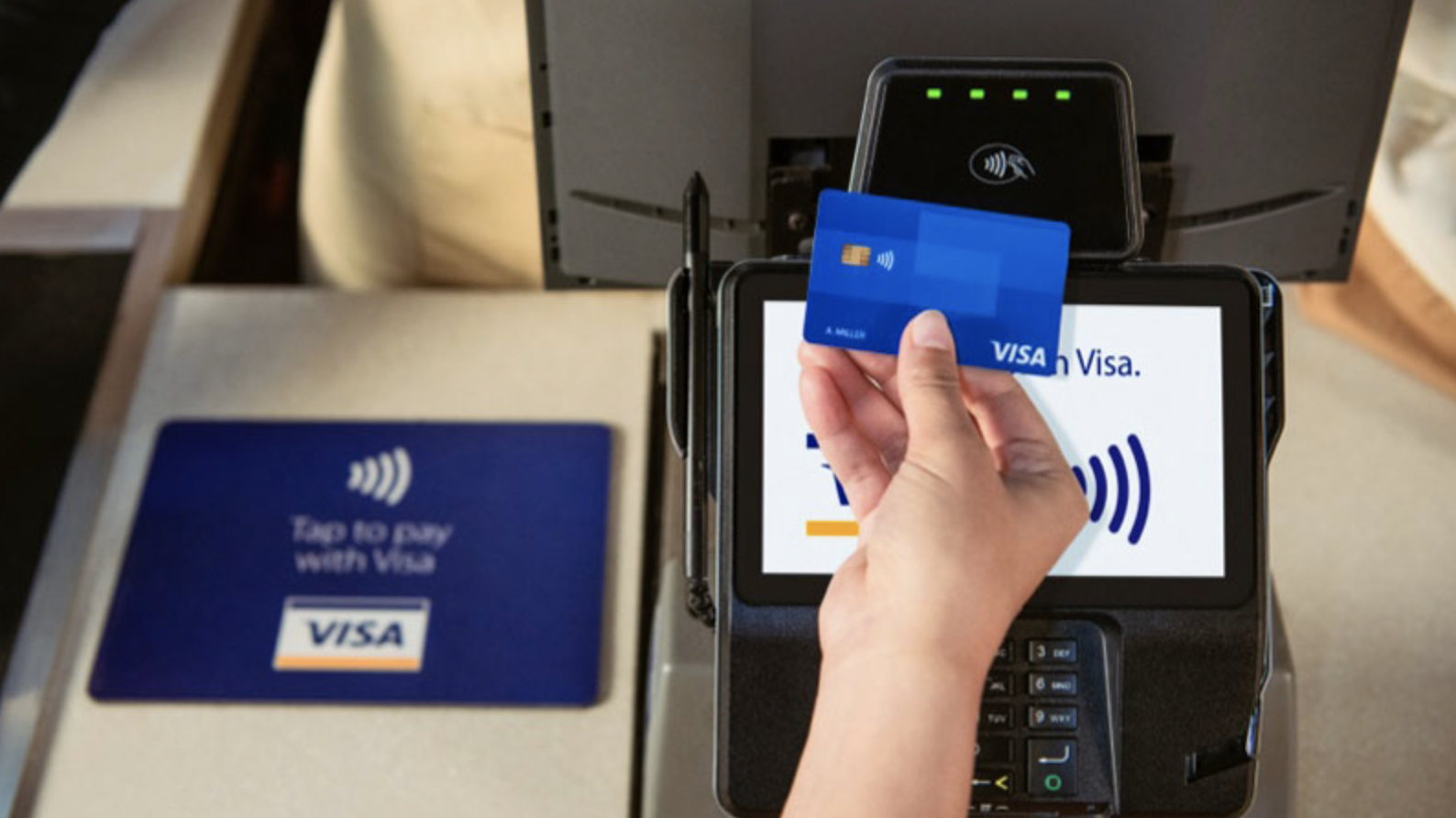
Visa is often recognized as a credit card company, but it doesn't issue any cards directly. It only partners with banks to issue co-branded cards, and those partners handle all of the accounts and issue the actual loans. Visa, like its rival Mastercard (MA 0.29%), generates most of its revenue by charging merchants "swipe fees" of 1% to 3% whenever their cards are used.
That capital-light model enabled Visa to secure partnerships with over 14,500 financial institutions, lock in over 175 million merchants, and expand rapidly across more than 220 countries and territories. It processed over 329 billion transactions over the past year.
That resilient business model makes Visa a consistently strong investment. Macro headwinds for consumer spending can curb its growth, but it will continue to expand in tandem with the global economy. That's why its adjusted earnings per share (EPS) grew at a CAGR of 13% from fiscal 2019 to fiscal 2025 (which ended in October), even as the pandemic, inflation, rising interest rates, geopolitical conflicts, and other macro headwinds rattled the global economy.
2. It can weather the regulatory headwinds
Over the past decade, Visa faced pressure from merchants and government regulators to reduce its swipe fees. That pressure drove the U.S. Department of Justice (DOJ) to block Visa's attempted takeover of the fintech start-up Plaid in 2020 and sue the company for allegedly monopolizing the market by locking in banks and businesses in 2024. It also faces similar merchant-led lawsuits and government probes in the U.K., Japan, and Australia.
The bears argue that pressure will force Visa to reduce its swipe fees. However, Visa's earnings are likely to continue rising even if it caps or reduces its swipe fees. Its cards are also so widely used that many merchants will likely absorb those fees rather than lose their customers.
3. Its tech ecosystem is expanding
Visa isn't usually considered a tech company, but it's rolling out more AI agents to help consumers and businesses securely complete their purchases. It's also integrating its payment features into more embedded payments and virtual cards, as well as incorporating stablecoins and other blockchain-based digital payments into its card payment network.
These new features should help Visa widen its moat against Mastercard and keep up with faster-growing fintech companies. They should also make Visa's ecosystem stickier and support its expansion into higher-growth overseas markets.
4. It's still reasonably valued relative to its growth
From fiscal 2025 to fiscal 2028, analysts expect Visa's adjusted EPS to grow at a CAGR of 12%. At $354 per share, it still looks reasonably valued at 25 times next year's earnings.
If you expect Visa to remain the top credit card payment network as the global economy expands, it would be smart to buy and hold its stock for the next decade. It might not grow as rapidly as other hotter fintech stocks, but it should remain a safe place to park your cash.