It's usually not too difficult to find a compelling dividend stock to buy. Finding one you can buy and hold forever, however, is a slightly different story. Not only must the company in question have permanent staying power, but the underlying industry must remain in demand forever as well. Not all businesses can guarantee this required longevity.
But some dividend payers can. Here's a closer look at three of these top names that will likely work as "forever" income stocks for your long-term portfolio.
Procter & Gamble
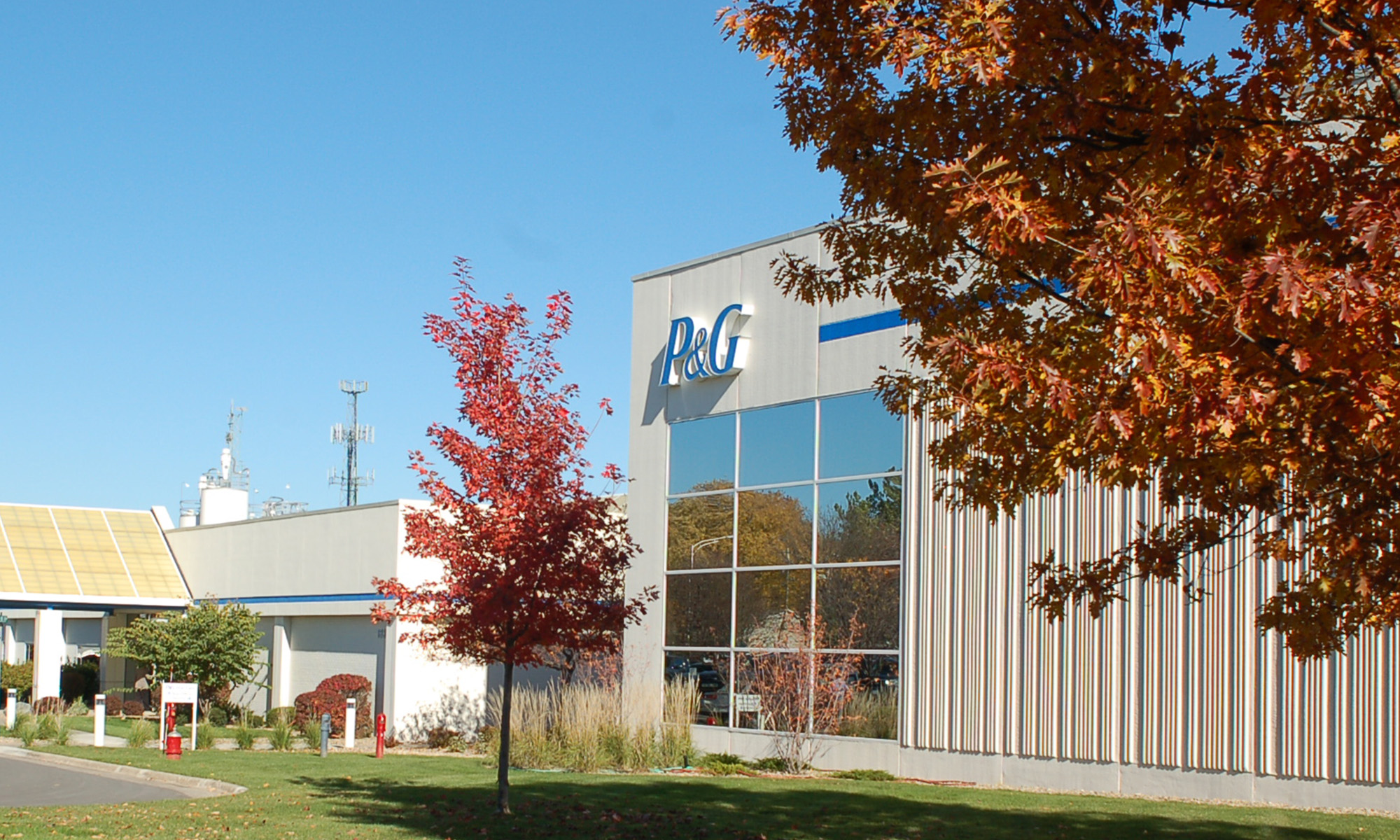
There's an outstanding chance you're a regular customer of Procter & Gamble's (PG 0.44%) without even realizing it. The company's product lineup includes Pampers diapers, Tide laundry detergent, Bounty paper towels, and Gillette razors just to name a few. P&G's expected to report nearly $87 billion worth of revenue for the current fiscal year, making it the biggest name in the consumer goods business.
Now think about the nature of its products. You don't buy them once. You purchase them over and over again. This recurring revenue paired with Procter & Gamble's marketing leverage stemming from its sheer size is ideal for driving dividends and dividend growth. That's how the company has been able to not only pay a quarterly dividend like clockwork for decades now, but also to raise its annual per-share payout every year for the past 69 years.

NYSE: PG
Key Data Points
Even more impressive is the fact that a consistent two-thirds of Procter & Gamble's profits are passed along to shareholders in the form of dividend payments. The rest is retained by the company to invest in its own growth, allowing it to maintain its dominant position in the consumer staples space.
The only arguable downside here is relatively modest growth -- consumer goods aren't a high-growth business, and Procter & Gamble's sheer size makes it even more difficult to tack on meaningful growth. Single-digit revenue growth is the norm here. With newcomers plugging in while the stock's current forward-looking dividend yield stands at 2.9% though, it's a fair trade-off.
Bank of America
Like Procter & Gamble, Bank of America (BAC +0.58%) isn't a high-growth name. Also like P&G though, Bank of America's dividend profile makes this trade-off well worth it for income-minded investors.
BofA is of course the second-biggest U.S. banking entity, with $2.6 trillion in assets and a market cap of just over $400 billion. Analysts expect it to report a top line of almost $110 billion for 2025, and turn a little more than $29 billion of that into net income. On a per-share basis, that's about $3.82 worth of profit, up from 2024's bottom line of $3.21 per share.
But how is it as a dividend-paying investment? Mostly rock-solid. Although like nearly all of its banking peers, this bank was forced to cut its dividend during and because of 2008's subprime mortgage meltdown, before and after that, dividend growth was and has been reliable.

Image source: Getty Images.
But what about the banking business's high sensitivity to ever-changing interest rates? Net interest income still makes up the majority of this company's revenue, but just barely. Non-interest revenue (from fees and services, like underwriting or brokerage) accounts for about 45% of BofA's top line, and while some of this business is cyclical, it's not necessarily synchronized with the bank's interest rate-dependent revenue. In fact, this other business often runs countercyclical to Bank of America's interest rate-based business.
More important to income investors, you'd be stepping into shares of one of the banking industry's most resilient names while its forward-looking yield at a respectable 2%. That's not huge, but for perspective, its per-share dividend payment has improved by more than 50% over the course of just the past five years.
AT&T
Finally, add AT&T (T 0.59%) to your list of dividend stocks you can comfortably buy with plans to hold on to it forever. Once again, there's not a great deal of capital appreciation potential here. The wireless telecom market is already well saturated, with Pew Research reporting 98% of adults living in the United States already owns a mobile phone.
And with four major carriers (along with several minor ones) already serving the wireless market, the likelihood of AT&T gaining significant market share is slim. Population growth and price increases will provide the bulk of this telecom giant's future growth, which isn't much.
What AT&T lacks in raw growth potential, however, it more than offsets with income -- and income growth -- potential.

NYSE: T
Key Data Points
See, for better or worse, Americans are addicted to their cellphones. A recent survey performed by Harmony Healthcare IT suggests the average person living in the U.S. looks at their phone's screen for an average of more than five hours per day, while Consumer Affairs reports that 3 out of 4 Americans feel uncomfortable without their mobile phones. Healthy or not, these people aren't going to give up their handheld devices now. They'll gladly pay a monthly fee to maintain their constant connection to the rest of the world.
This, of course, is an ideal business model for supporting recurring dividend payments. AT&T simply needs to manage its spending, and ensure it's getting the right return on its investments, which it (mostly) has. True, its 35-year streak of annual dividend increases ended in 2022 to help cover the costs of unwinding its expensive and disappointing acquisitions of Time Warner and DirectTV.
Yet the stock's dividend has at least been steady, even if stagnant, since then. And the company could be upping this per-share payout sooner than later. In the meantime, newcomers will by plugging into a sizable dividend yield of 4.5%.