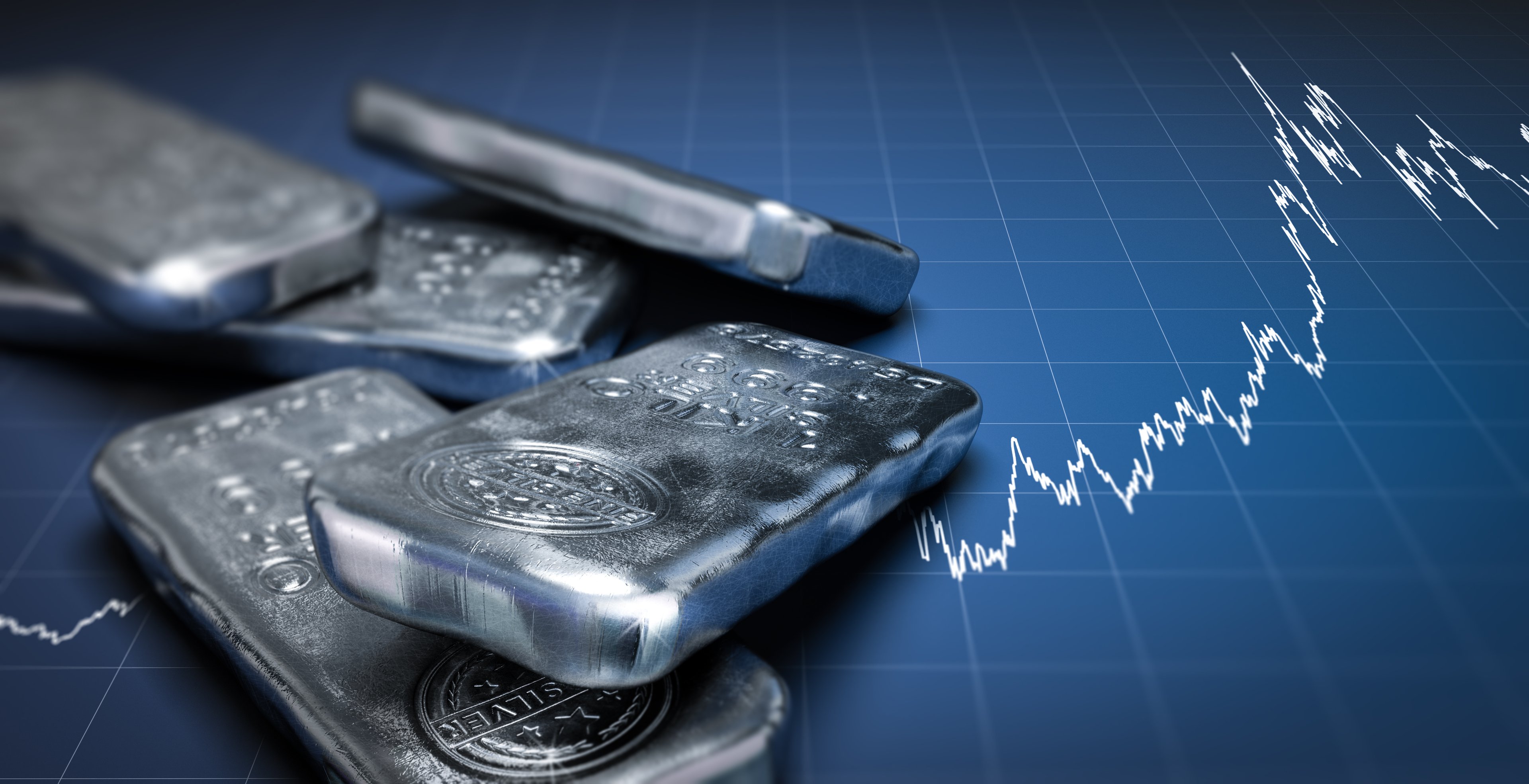
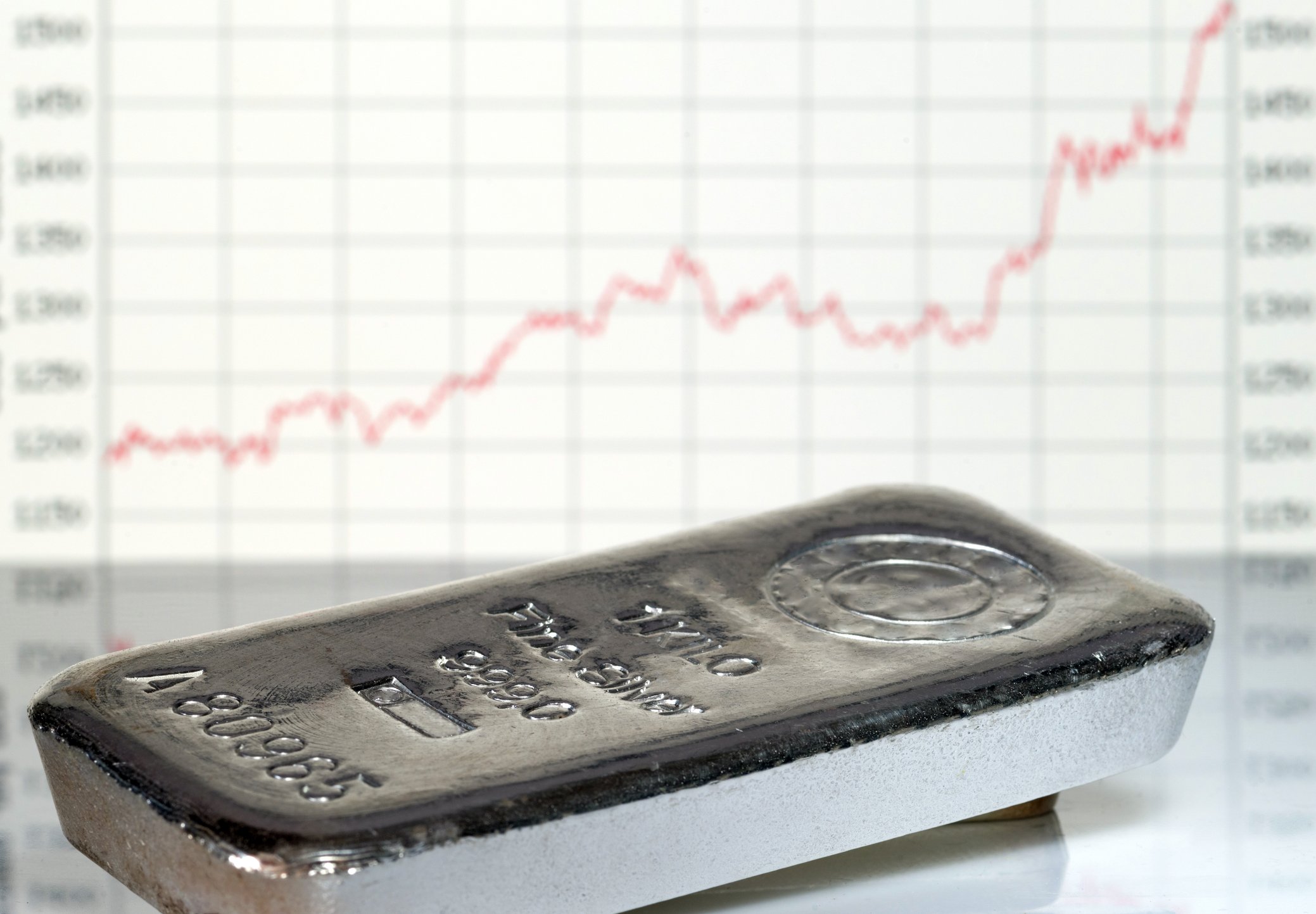
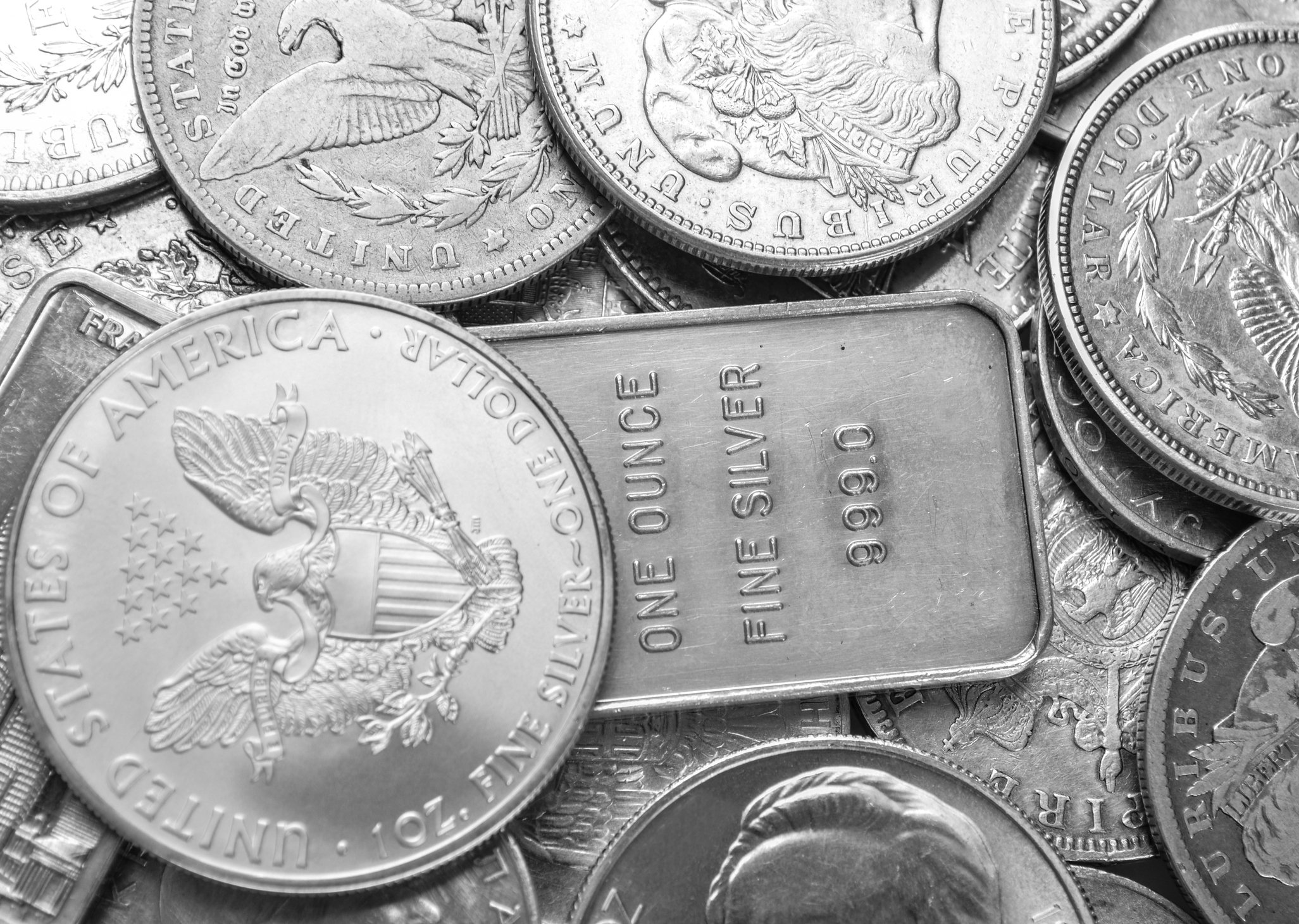
Silver's surge crushed gold's gains in 2025, returning 145% compared to gold's 64% rise. In the first weeks of 2026, it's continued this momentum, returning as much as 25% in two weeks while gold rose 6%. Yet there are three reasons to expect silver to continue outpacing gold for the rest of 2026 and perhaps beyond.
1. Interest rates may continue to fall
The U.S. Federal Reserve cut interest rates three times in 2025, and traders are forecasting a more than 60% likelihood that the central bank will lower rates once more by June.
Lower interest rates boost precious metals' prices because they negate one of the main drawbacks of owning gold or silver -- the fact that, unlike dividend stocks or bonds, they are non-yielding assets. In an economic situation where yields are low across the board no matter where you turn, gold and silver always look more attractive than they do in a high-rate environment.
2. Industrial demand for silver continues to soar
There's a reason why legendary investor Warren Buffett has bought thousands of tons of silver in his career, even while deriding gold as a speculation that doesn't "produce anything, but that you hope someone will pay you more for later on."
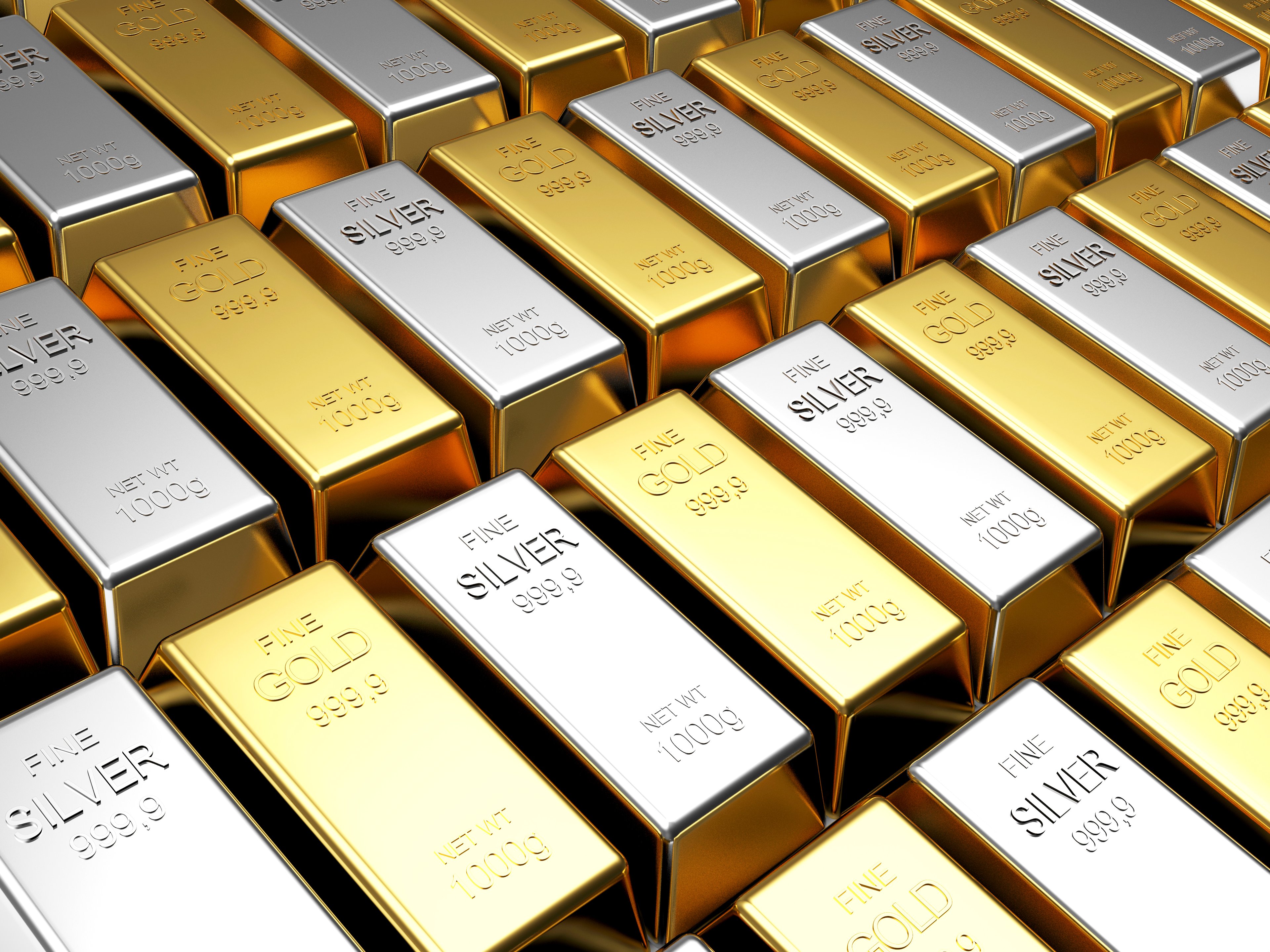
Image source: Getty Images.
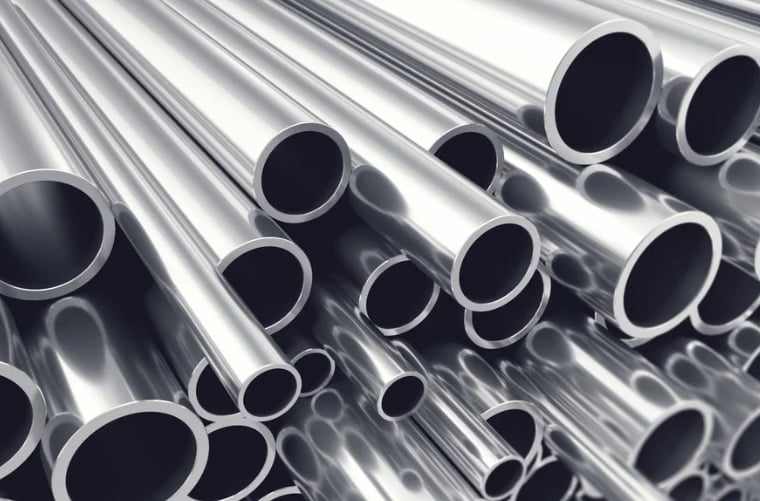
As the most electroconductive metal on the periodic table, silver has myriad industrial uses. It's used in electric vehicles, solar panels, and semiconductors, as well as cellphones, televisions, radios, and many other devices.
For instance, the average solar panel contains 20 grams, or two-thirds of an ounce, of silver. With major economies around the world turning to decarbonization, the rise of solar panels is proving to be a major catalyst for silver demand.
U.S. solar capacity is expected to grow by 70 gigawatts in 2026 and 2027, which would mean a 49% increase from late 2025's level. For context, a gigawatt requires about 3.1 million solar panels, so America's increased solar capacity over the next two years should consume another 143 million ounces of silver.
And that's just America. Remember, the energy transition is global. In the first half of 2025, China installed more solar panels than the rest of the world combined. It's easy to envision solar panel installations alone driving hundreds of millions of ounces in new demand for silver in 2026.
Might supply simply rise with demand, to keep prices more or less constant? Not exactly.
3. Unlike gold, silver is a byproduct metal
While there are a few mines out there that produce primarily silver, silver is mostly found in mines that are mainly producing gold, lead, zinc, or other minerals.
In 2023 in the U.S., for instance, there were four silver mines and 31 mines that produced silver on the side. As Buffett himself has noted, silver's status as a byproduct metal has consequences: It means supply can't simply be turned on like a tap. Supply of a byproduct metal won't be very responsive to price changes, as Buffett noted in 1998, the last time he bought silver.
Sure enough, global silver production rose by just 1% in 2024, and is forecast to have increased by just 2% in 2025 once final figures are in. In contrast, new gold mines are coming online in 2026, and gold miners are ramping up production in response to rising gold prices. One gold miner, Equinox Gold, is forecasting an 80% jump in annual gold production from its Canadian operations.
A simple way to play silver
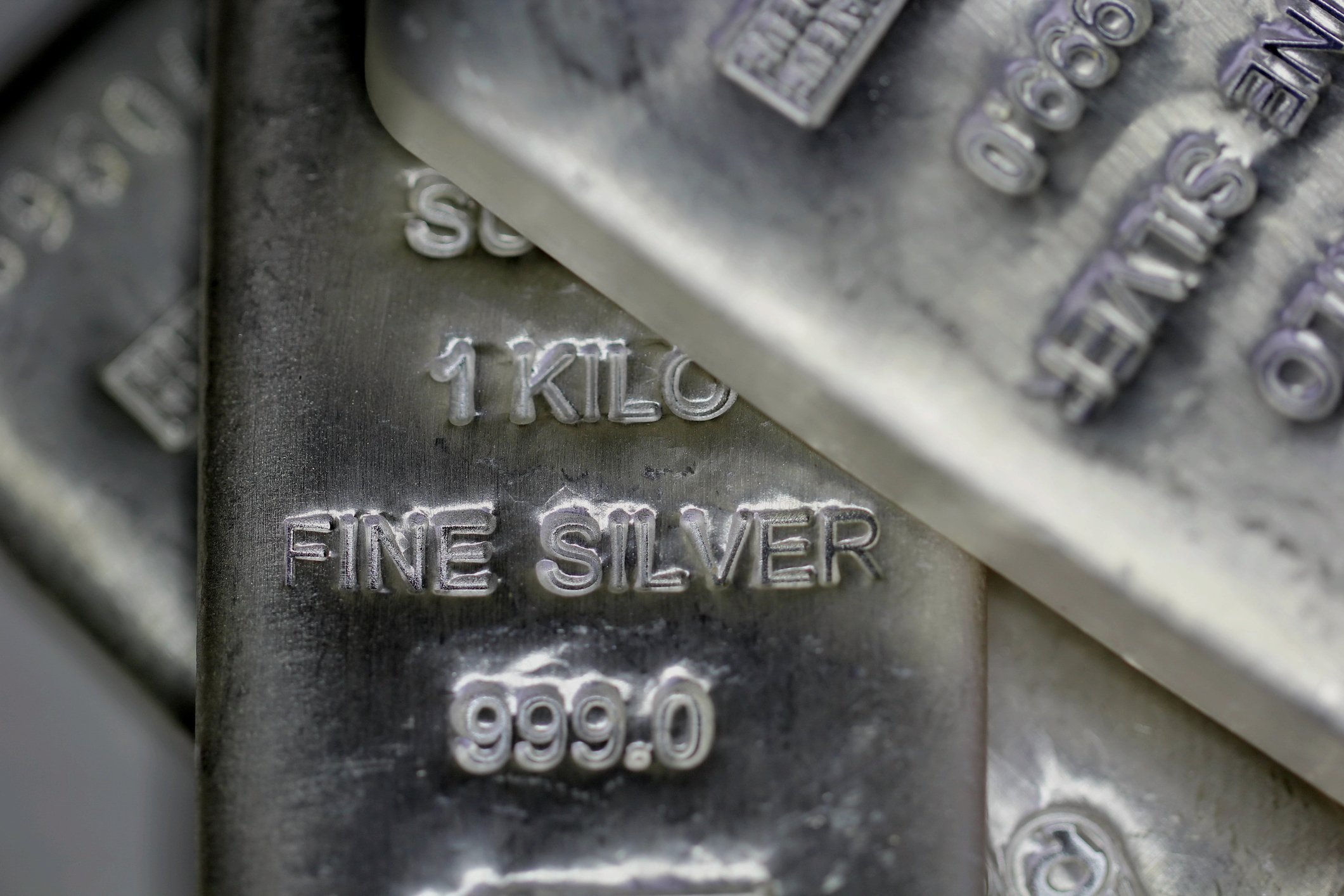
The iShares Silver Trust (SLV +3.69%) exchange-traded fund, designed to closely track silver's performance, is already up strongly year-to-date, returning 25% in the first weeks of 2026. Yet the forces outlined above could propel it still higher, especially if recent geopolitical tensions continue to boost gold and silver.

NYSEMKT: SLV
Key Data Points
Because the fund is not actively managed, its expense ratio is just 0.5%, compared to the industry average of 0.82%. For investors who wish to skip the headache of buying physical silver, as well as excessive volatility and risk from individual mining stocks, the iShares Silver Trust is a fund to consider.