While Tesla (TSLA 0.04%) and Lucid Motors (LCID 3.58%) may have more in common with one another as electric vehicle (EV) makers, they are substantially different businesses right now. Tesla has branched out to increase the number of customer segments it serves and regions it sells into, and has proven it can do so profitably. Lucid hopes to get there one day. Despite the automotive commonalities, the two competitors are approaching a similar market entry scenario in very different ways, with one seemingly doomed to fail.
What's going on?
In terms of perspective, Tesla and Lucid seem to again see market potential in a similar way. Both India and Saudi Arabia have low rates of EV adoption, but both markets have an optimistic consumer base and some community or government support to push electric ambitions. That said, how Tesla entered India and how Lucid is settling into Saudi Arabia show they have very different strategies.
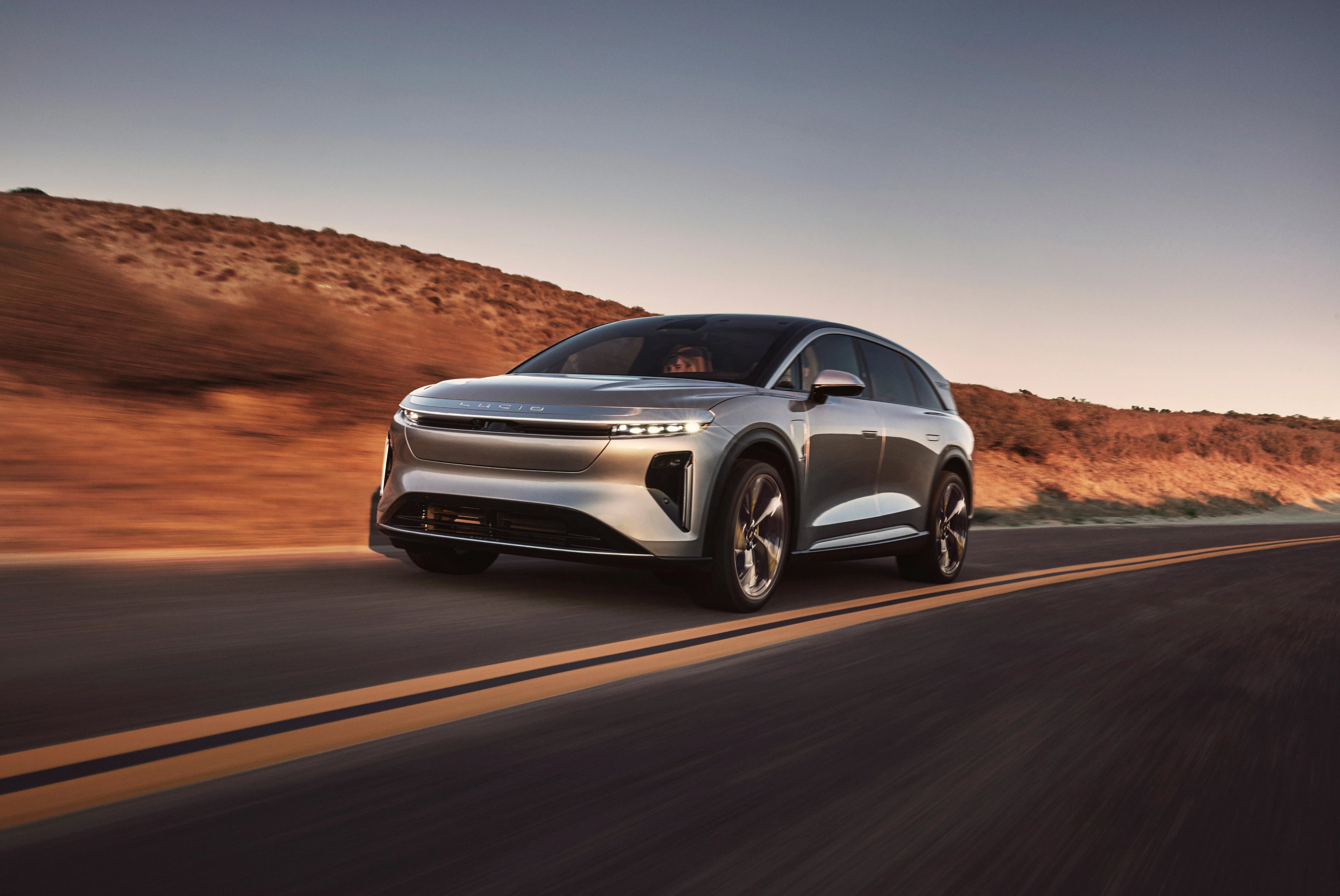
Image source: Lucid Motors.
Lucid opened its manufacturing plant in Saudi Arabia in September 2023, as its connection with Saudi Arabia's Public Investment Fund (PIF) deepened and the latter continued to pour capital into the automaker. It currently owns a near 60% stake. Lucid's plant in the region has yet to reach its full potential and has so far been merely partially assembling vehicles, but that changes this year. Lucid's CEO, Marc Winterhoff, confirmed to Bloomberg that the company is on track to begin full-scale production at the Saudi facility in 2026 with plans to ramp up production over the next few years to an annual capacity of 150,000 vehicles in 2029.
It's an opportunity for the company to get its foot in the door of a young market that's being heavily pushed toward electrification. Saudi Arabia's Vision 2030 economic plan aims to reduce its reliance on oil by boosting non-oil GDP, and the country is establishing an automotive export hub on the Red Sea. Already, automakers such as Lucid, Hyundai, BYD, and Tesla have been tempted with tax exemptions and a 0% custom duties for imports in Special Economic Zones (SEZs).
Lucid is betting that investing in production capacity in Saudi Arabia, establishing a brand early, and avoiding potential tariff setbacks will set it up for success in the future. In another market, Tesla is suffering from the consequences of taking a different approach and importing vehicles to India rather than investing in local manufacturing. With Tesla facing steep import duties of up to 110%, the Model Y starts at nearly $70,000 in India, and the company is reportedly offering costly discounts to help clear unsold imports.

NASDAQ: LCID
Key Data Points
What it all means for potential Lucid investors
Investors hoping this will be a lucrative move for Lucid would be wise to temper their expectations. This strategic move was driven by a long-term vision with the understanding that the market has low EV penetration right now. While the developing market could be of value to Lucid in the distant future, it's also an important move right now to strengthen the connection between the automaker and its largest stakeholder, Saudi Arabia's PIF. The latter has already invested $8 billion in Lucid since 2018 to support its growth, and maintaining that connection will be critical as the young automaker will almost certainly need more capital in the future.