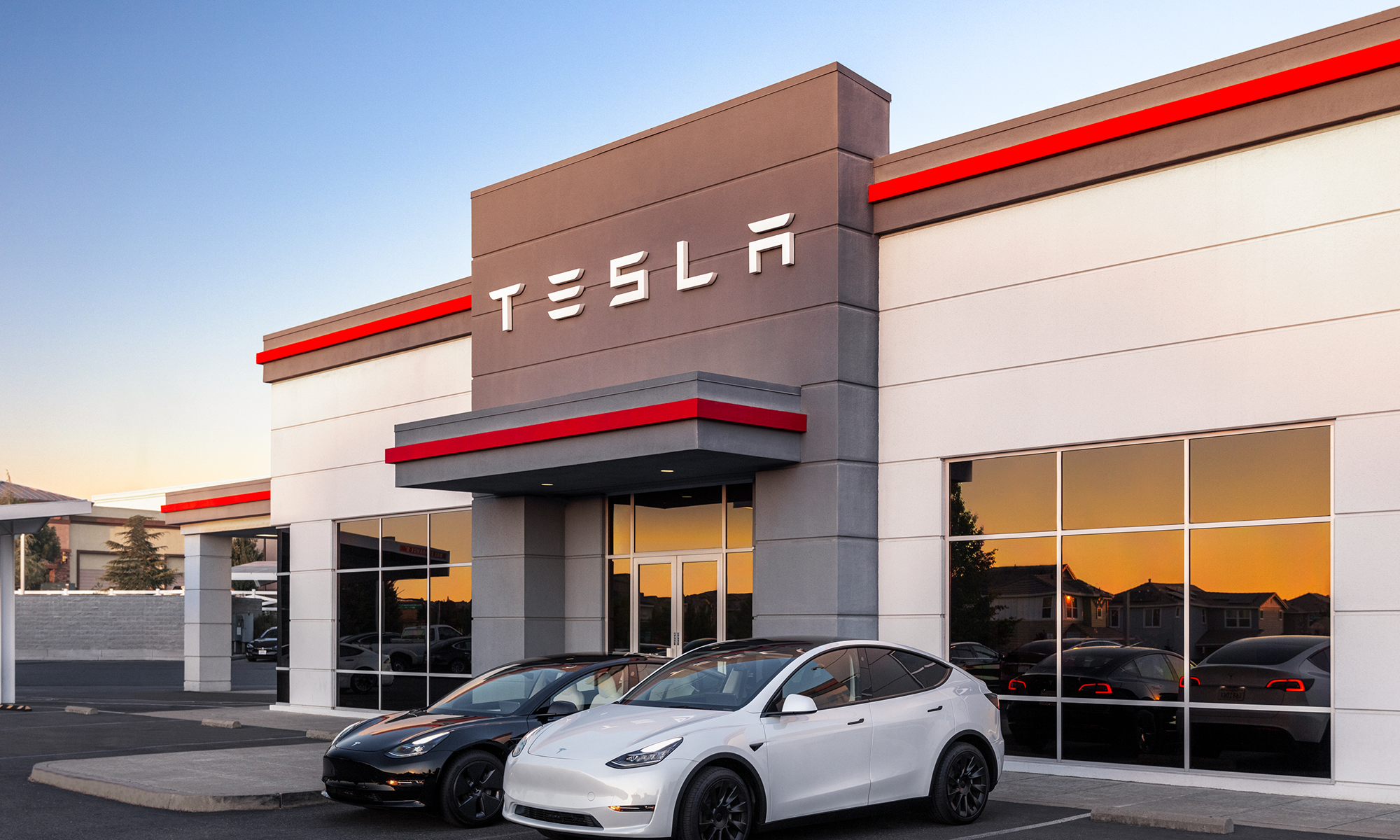
Tesla (TSLA 0.99%) lost substantial market share in electric cars during the past year due to increased competition, brand backlash, and the discontinuation of federal tax credits. The company said deliveries fell 9% in 2025 despite global electric car sales increasing 25%.
However, Tesla is more focused on robotaxis and robots, a transition that has been years in the making, and CEO Elon Musk recently shared some good news about those products. Here's what you need to know.
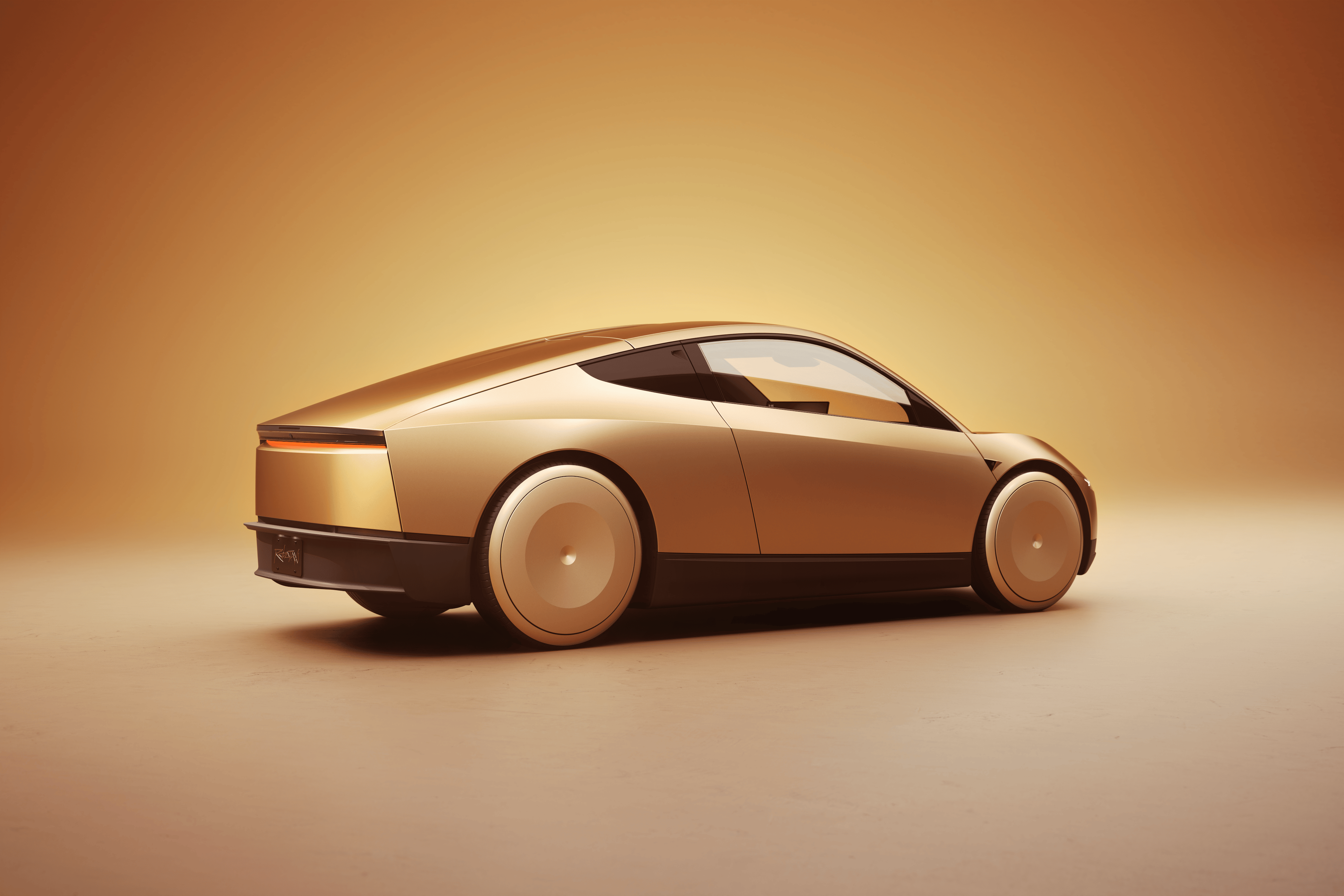
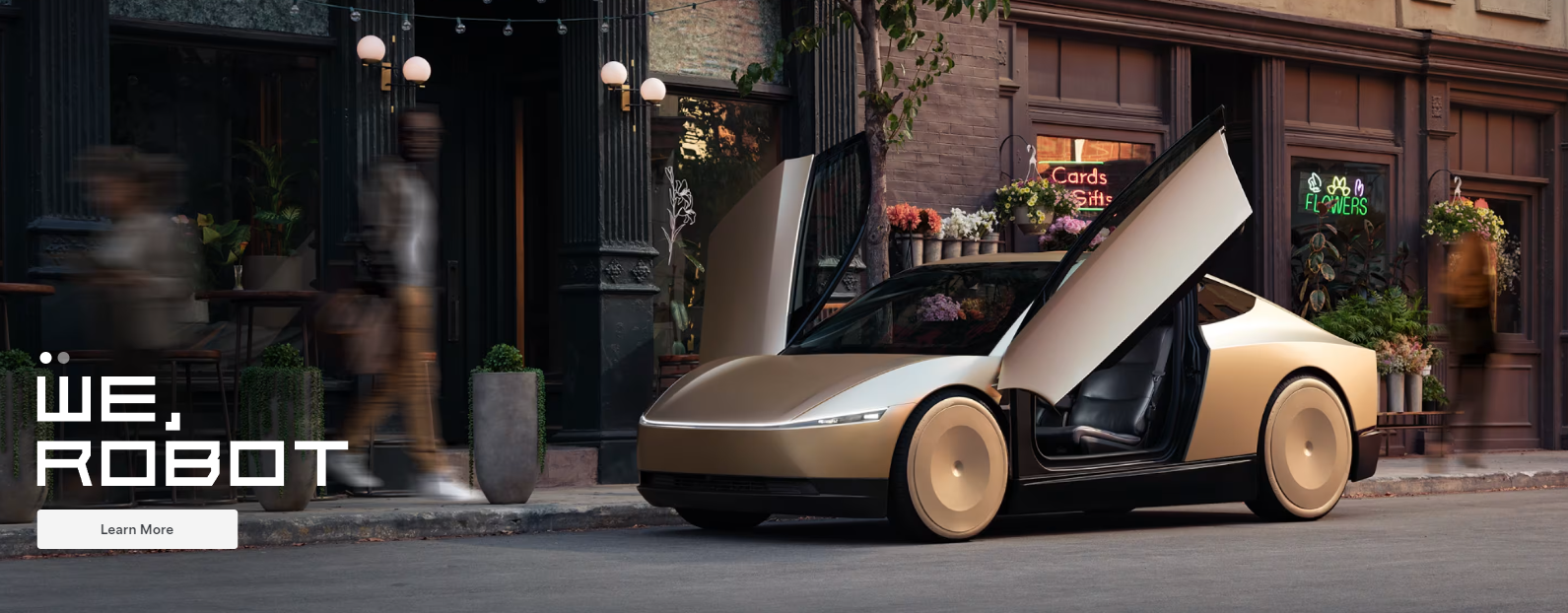
Image source: Tesla. The Cybercab is a dedicated robotaxi slated for production in 2026.
Tesla's robotaxis are operating without safety monitors in Austin
Tesla launched its autonomous ride-sharing service in Austin to a limited group of people in June 2025. The company has since opened the service to everyone and expanded the service area rapidly, validating its camera-only strategy to some extent. Last week, Musk posted on social media: "Just started Tesla robotaxi drives in Austin with no safety monitor in the car. Congrats to the Tesla AI team!"
Whereas rivals like Waymo equip robotaxis with lidar sensors that use detailed maps to navigate, Tesla relies solely on cameras. That strategy is not only cheaper, but also less time-consuming because the company doesn't need to map cities before putting robotaxis on the road. In other words, Tesla should be able to scale its autonomous ride-sharing service faster than its competitors.
Beyond Austin, Tesla also offers its autonomous ride-sharing service in the San Francisco Bay Area, though a safety monitor still sits in the car. In addition to Texas and California, Tesla has also received a permit to operate a ride-sharing service in Arizona and to test robotaxis in Nevada. This year, the company hopes to launch autonomous ride-sharing in five new markets: Las Vegas, Phoenix, Dallas, Houston, and Miami.
Tesla still trails Waymo, which has commercial robotaxi services in five U.S. cities, but the company is making progress with its autonomous driving technology. That bodes well for shareholders because the robotaxi market is projected to grow at 99% annually through 2033, according to Grand View Research.
Tesla's full self-driving (FSD) service could soon be available in Europe (and maybe China)
Tesla introduced its full self-driving (FSD) technology in the United States in 2020. The service, officially called FSD (Supervised) because it does not yet provide full autonomy, is currently available as a subscription at $99 per month. But the company plans to raise the price as its capabilities improve.
Musk recently said Tesla's FSD service could win approval in Europe as early as February 2026. Specifically, the Netherlands Vehicle Authority is expected make a decision on the technology next month, and approval in one country would allow other members of the European Union to fast-track adoption.
Musk also said approval in China was possible around the same time, but Chinese state media has since rejected that claim. Either way, the announcement is good news for Tesla because launching FSD in Europe will expand its addressable market. Currently, FSD is a negligible source of revenue, but Morgan Stanley says autonomous car sales will hit $3.3 trillion annually by 2040.
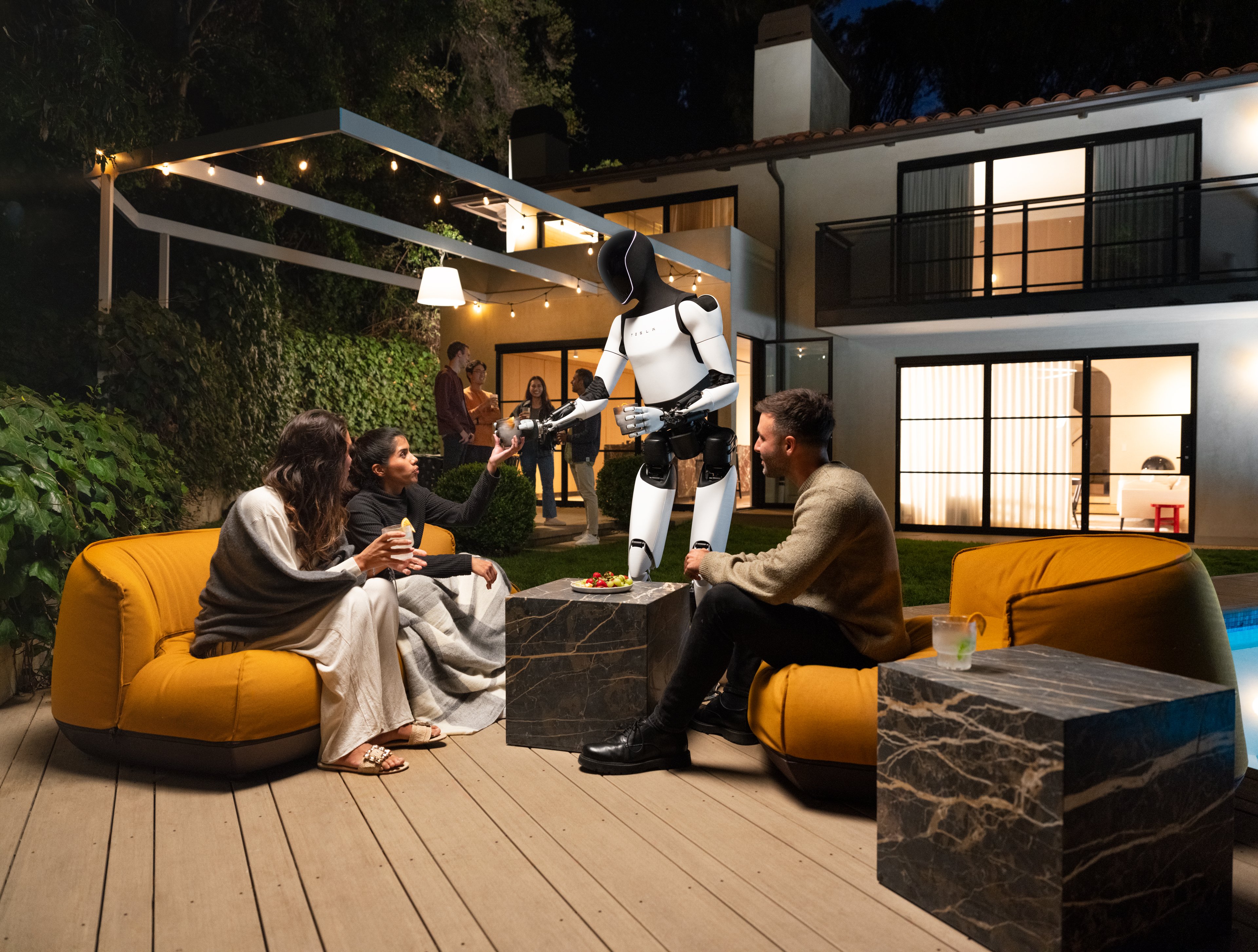
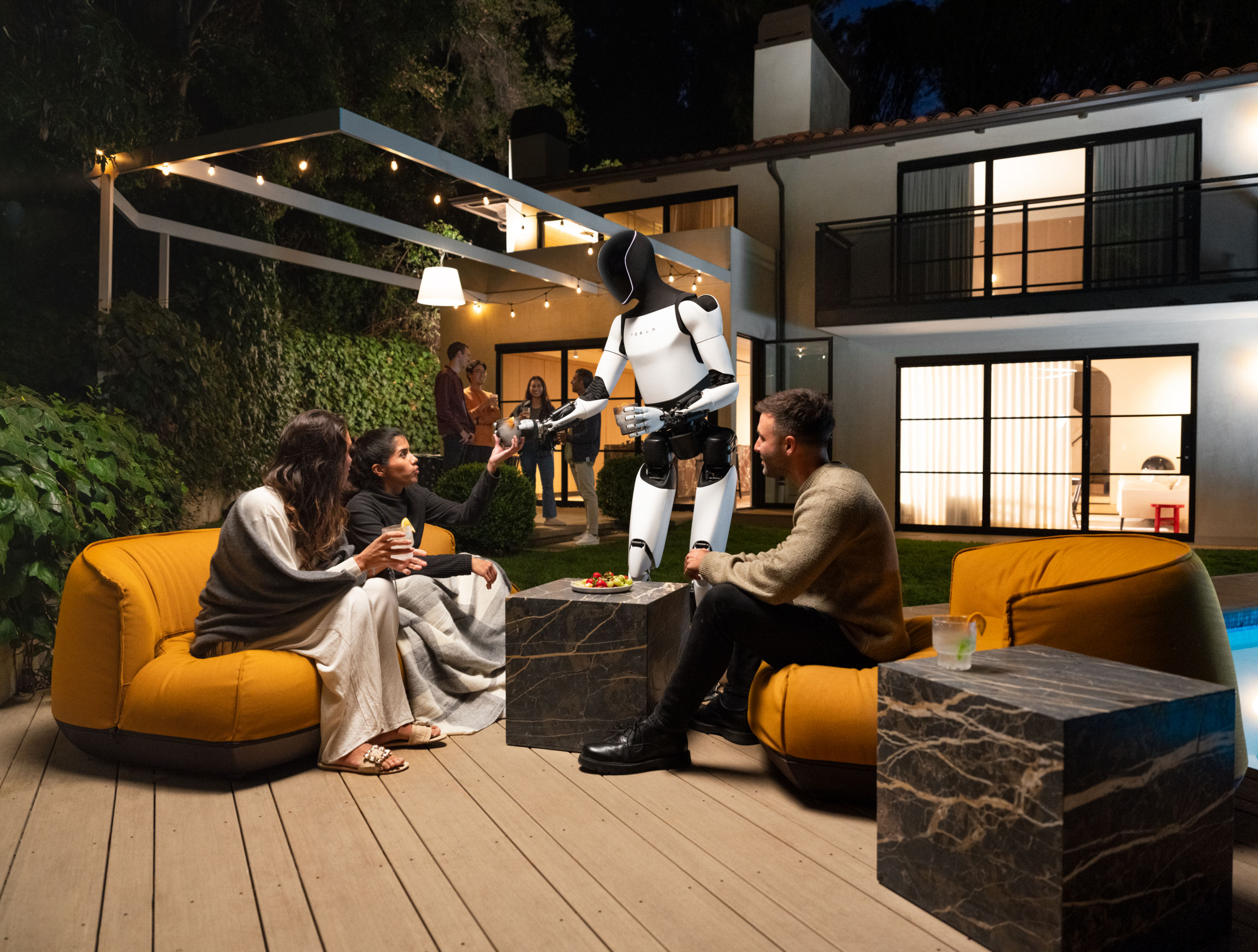
Image source: Tesla. The humanoid robot Optimus could be available to the public by late 2027.
Tesla could start selling its humanoid robot Optimus at the end of 2027
Last week, Musk said Tesla's autonomous humanoid robot, Optimus, should be available to the public by late 2027. Since the company prototyped the technology in 2022, Musk has made several bold predictions about Optimus, the most striking being that it could add $20 trillion to Tesla's future market value.
Musk has also said the humanoid robot could account for 80% of the company's valuation, implying a total market value of $25 trillion. Of course, he has frequently overpromised and underdelivered where artificial intelligence (AI) products are concerned. But there is no question Optimus could be a major source of revenue in the future. Morgan Stanley estimates the humanoid robot market will increase at 50% annually to reach $1.2 trillion by 2040.
Here's the big picture: Tesla is losing market share in electric vehicles, but the company is building momentum in physical AI. The stock is quite risky, with shares trading at 290 times earnings. But the valuation could moderate quickly if robotaxis and robots become a material source of revenue in the future.