In this podcast, Motley Fool contributors Travis Hoium, Lou Whiteman, and Jon Quast discuss:
- Full self-driving (FSD) is here...kind of.
- Greg Abel cleans house.
- Apple's Siri chatbot.
- NYSE tokenizing stocks.
To catch full episodes of all The Motley Fool's free podcasts, check out our podcast center. When you're ready to invest, check out this top 10 list of stocks to buy.
A full transcript is below.
This podcast was recorded on Jan. 21, 2026.
Travis Hoium: A robo-taxi is finally here. Motley Fool Money starts now.
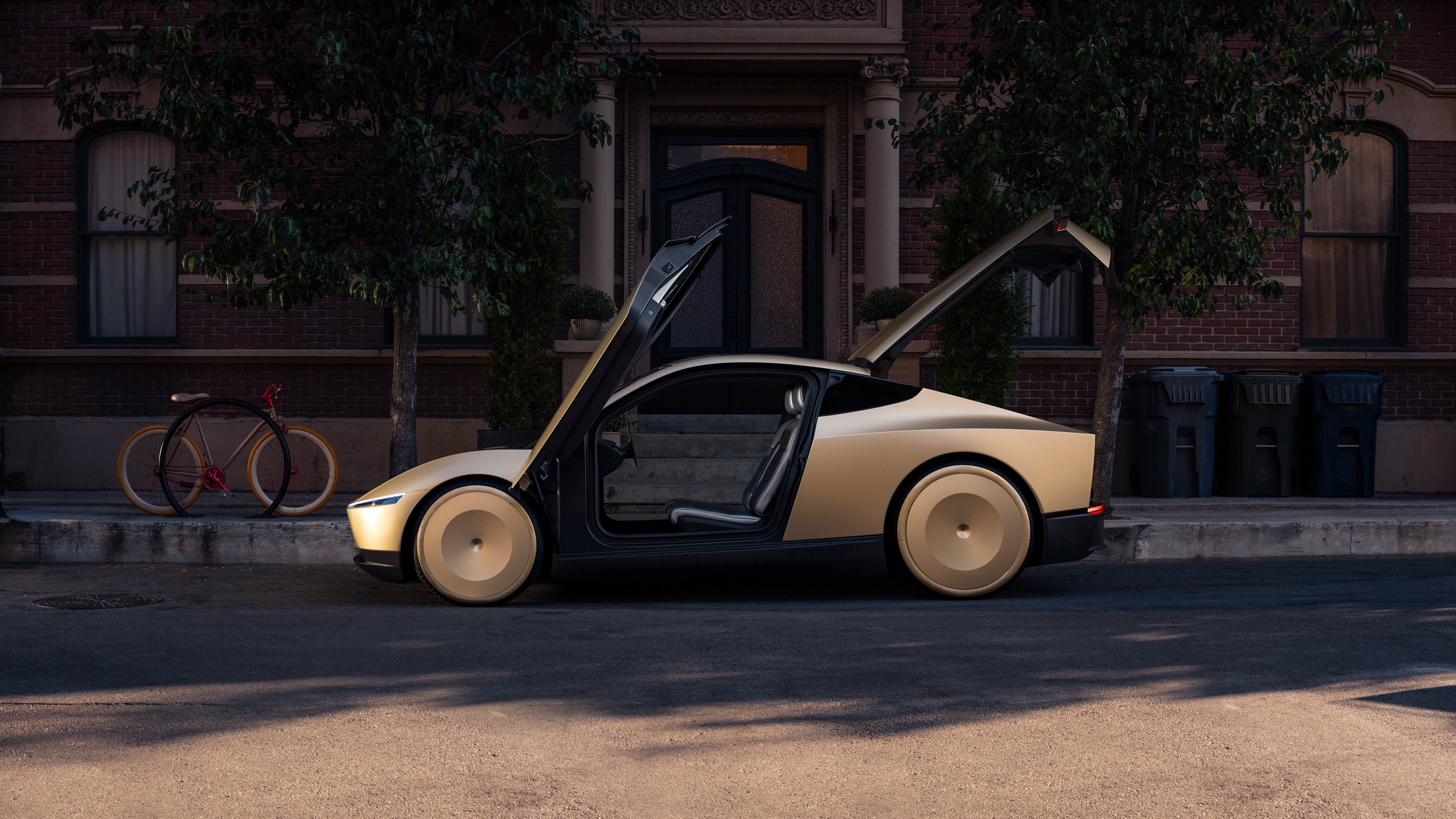
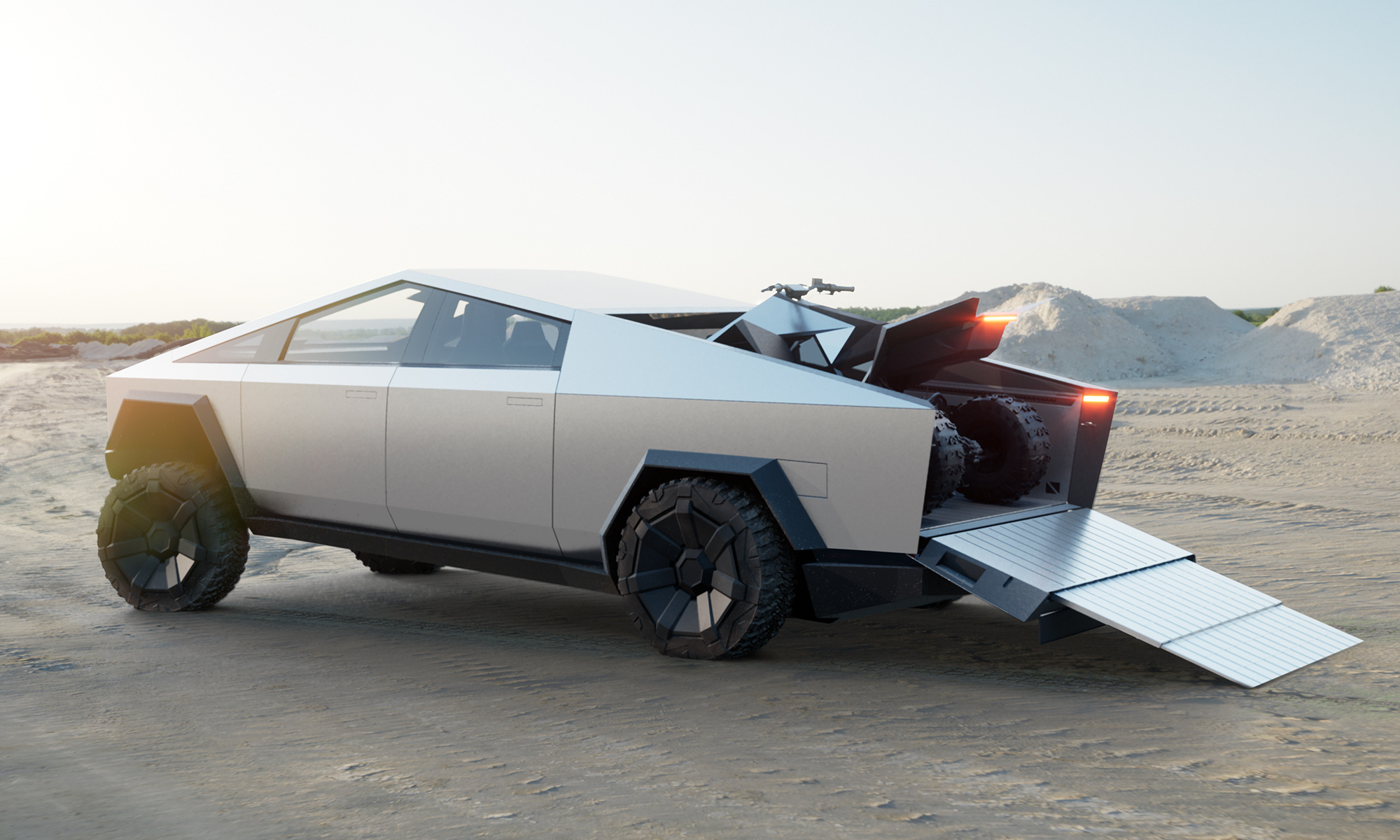
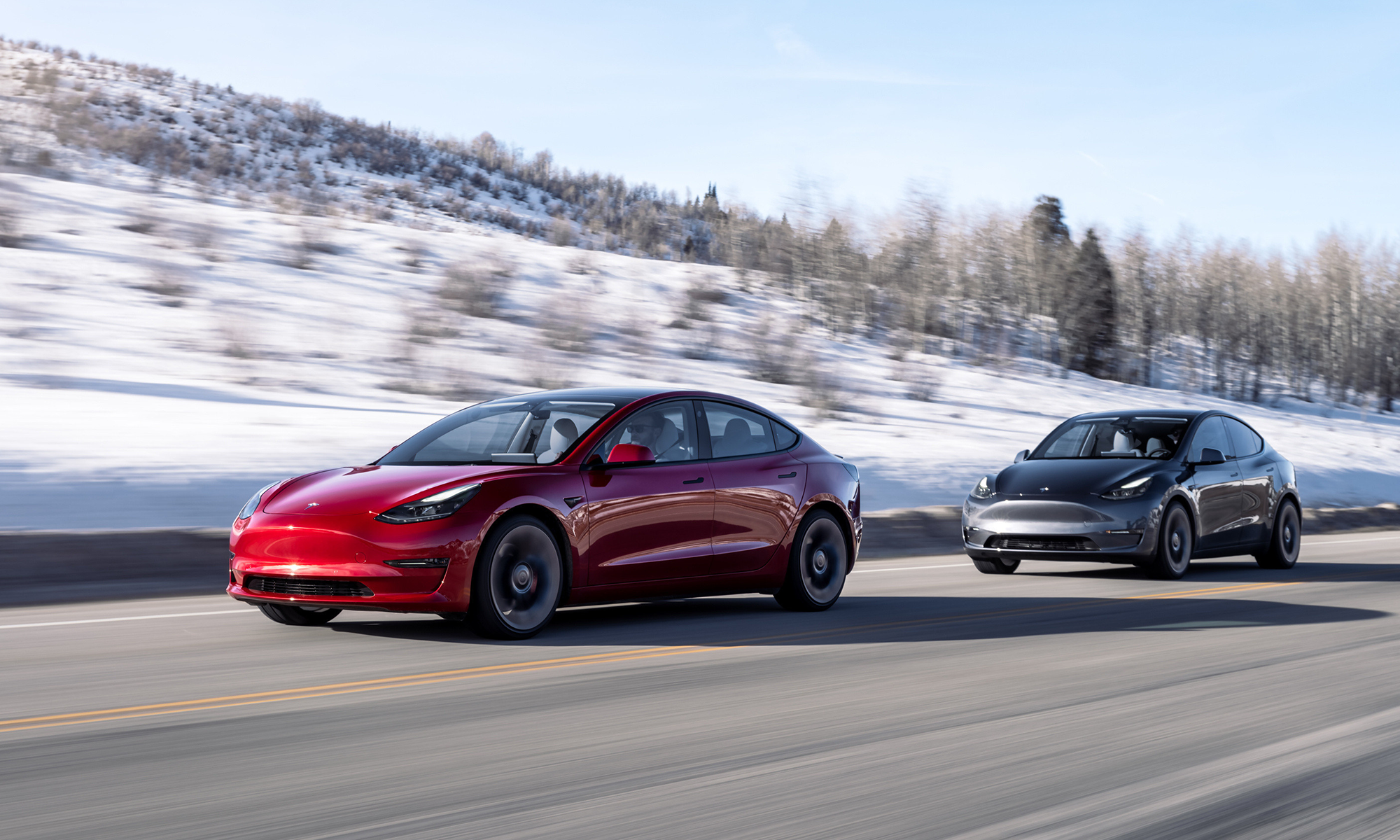
From Fool Global headquarters, this is Motley Fool Money.Welcome to Motley Fool Money. I'm Travis Hoium joined today by Lou Whiteman and Jon Quast. Guys, the robo-taxis with no safety driver in the vehicle are finally operating in Austin, Texas. This has been something that has been coming for arguably a decade or so from Tesla. Lou, is this a watershed moment for Tesla or just ho hum, given that it's coming in 2026 and Waymo is operating with fully driverless vehicles? Zoox has vehicles that don't even have a front seat or a steering wheel. Is this huge news or is this just the way that things are going for everybody?
Lou Whiteman: I think it's a step in the process. It's not a watershed moment, but it's not insignificant. I don't think it really matters who gets there first if you get there. Tesla has its own advantages, just the number of cars it has out there, et cetera, et cetera. They'll do just fine if they can get there. The thing is, they have to get there. To do that, as an engineering mindset is, you test, you test again, you change the parameters, you continue to build. That's what they're doing. This is a step along the process, how close they are. When will they get there? We'll see. I mean, I'm in Atlanta. I see Wemos buzzing around me all the time. I know that Tesla isn't in the lead here. I don't think it matters who's in the lead. It's just can they get there? If this gets them a step closer, good for them.
Travis Hoium: Jon, what do you think about this? Because the other detail, we don't know exactly how these operations are going, we don't get a ton of safety data, either. I know that they have to report some of their safety data to the NHTSB if I'm getting my acronyms correct, which I'm probably not. But I believe they've had eight or nine accidents with these vehicles, even with the safety driver, the person that's sitting in the passenger seat. Now it appears that there's actually a vehicle following them, there's obviously remote monitors as well. Is this actually something like a Wemo, or is this where Wemo was four years ago?
Jon Quast: It's a good question. Here's the thing. Elon Musk has promised a lot more than what it just delivered this week, talking about this is going to be much bigger in many, many cities across the United States.
Travis Hoium: I think he's seen by the end of this year, too.
Jon Quast: Well, maybe even by the end of last year. I don't remember what it was. This is a step in that direction. But it's still just a step. As you point out, it seems we're still monitoring this car pretty closely without the safety driver. Here's the thing with Elon. Take what he says very seriously, but don't necessarily take the timetable seriously. Pay attention to when and go ahead and toss that out, but what he says is very seriousFor example, he just said expect AI data centers in space in the next three years. When I hear that, I say, I need to take AI data centers in space pretty seriously, but probably not within three years. In the same way, these roba-taxis, without a safety driver, we are promised a lot more, a lot bigger, and a lot faster, but we are moving in that direction, and I do take it seriously.
Travis Hoium: Jon, another thing that came out this week was they partnered a little bit with lemonade. Lemonade is going to be offering with their insurance per mile product. You can insure your Tesla when it's operating on FSD, it's actually 50% lower than the previous cost. Is that another one of these something or nothing things that's going on? Because insurance is going to be a question for a lot of these robo-taxi businesses. Even if we look at something like Uber or Lift, insurance is a big cost for them. If the actual cost is 50% lower than traditional insurance, that seems like something.
Jon Quast: This is a general trend out there, making devices that weren't collecting data smarter by collecting data. Teslas are collecting tons of driving data, and it just had a deal with insurance company Lemonade to tap into that. Lemonade does have a pay per mile product, as you point out. When full self driving is activated in a Tesla, the idea is customers will pay 50% less insurance for those miles when it's activated. Not overall, just when that is activated. Lemonade is saying that Tesla is just the first company that we intend to do this with, and it makes a lot of sense if you're lemonade. Go ahead and tap into that huge Tesla audience. Tesla has its own insurance, but they're not necessarily all in the same states. There are regulatory reasons for that. Lemonade is available in some places that Tesla isn't. This makes sense. I think this is going to be a general trend. Cars are getting smarter and insurance needs to tap into that.
Travis Hoium: Lou, let's stick on the supply side here because I think this is interesting. The thesis with Tesla for a long time has been this was going to be a winner take all market. You said that this was not going to be a winner take all market. As you look out three, four, five years and maybe start eyeing opportunities, is autonomy and some of these things that we're seeing from Tesla, whether it's lower insurance costs, whether it's the autonomous features, is this going to be just standard operating procedure, just like airbags and seat belts and things like that? Or is there going to be a real opportunity for automakers and technology companies in this space?
Lou Whiteman: Yes. I mean, I think the long history for automotive is is that things that are premium become standard over time, especially with safety. Look, there are a lot of companies right now that insurance companies offer big discounts for cars with advanced driver assist systems. I know in some cases, it used to be you get your teenager the beat up old car, nowadays, it's better to get a teenager a new car because the safety systems are so good, your insurance is actually lower. Part of, I think, what Lemonade and Tesla are doing here is marketing. I think it's a neat idea. 50% off is better than Tesla was willing to do. I'm not sure.
Travis Hoium: It's so interesting. They weren't able to offer those deals. I don't think Lemonade did it better.
Lou Whiteman: Tesla reportedly was losing a lot of money on their insurance offering too, which I think is interesting. I mean, Teslas are expensive to insure, in part because of their supply chain model. Look, for now, full self driving is engaged primarily in the most straightforward, easy parts to drive, which would suggest the least likely to have accidents. It's when things get hairy, is when full self driving has to hand it off to humans. It's probably a pretty good bet to make, but I think it is a bet. I think the longer term feature is that, yes, as cars get smarter, we should just see incidents go down, and that should affect rates, whether or not there are discounts or not. This is aggressive, this is splashy, this is neat, but I think it's more marketing. Even when these systems are ready for prime time, I don't think first mover advantage for Lemonade really matters here. I think State Farm, I think GEICO, I think everyone else can ramp up these systems pretty quick because they're all looking at this. This isn't going to catch anyone off guard.
Travis Hoium: The final piece of Tesla News this week was that they are getting rid of autopilot, which did seem to be confusing to some consumers. What was Autopilot? What was FSD? That's no longer an option. Actually, the standard options in a lot of ways, are going to be less than what you can get from most other manufacturers. Some of the lansist and smart follow features just aren't going to be standard with the Tesla, but they are going to offer the FSD for $100 a month. I'll start with you, Lou, but I want your thoughts too, Jon. Is this subscription model something that is going to be successful, not just for Tesla, but for everyone in the industry because everyone is trying this? They want this to work, they like the high margins of a SAS model, but is this the future of automobiles or is the consumer just going to reject?
Lou Whiteman: Automakers have been thinking about this for a long time. So far, it hasn't come through. What is it? Was it Mercedes that tried to charge you a subscription for.
Travis Hoium: I think it was BMW.
Lou Whiteman: Oh was it BMW? This is a hard thing to change consumer preference on, if anything, and this is why it's interesting. I think you point out, Teslas actually behind here, and they're charging for stuff that others include. A lot of it, with Honda I know it's the premium models. Not every model has it, but it's a different way. Look, it's very rare. That a company stops taking $8,000 upfront in return for $100 a month. I think that's a sign of weakness. I think that's an admission that it's harder to get 8,000 bucks for stuff that others are getting from just getting spending $1,000 more on the base model. I wouldn't be surprised if there's a continued push to get whatever is cutting edge off of the standard, and you pay for something. But I think that bogies constantly going to change, and as cars will get safer just in the standard, just the consumer will push that. If I was modeling Tesla, I would have a hard time modeling huge revenue growth in that subscription because I think you're always going to have a moving target of what you can charge for and how much you can charge.
Travis Hoium: I don't personally like it. I personally struggle with paying for satellite radio when I can get FM radio for free. But one thing I was thinking about is it's so interesting $100 a month. Are you going to save $100 on your car insurance with 50% off from Lemonade on those miles? I don't know if there's enough there to do that. That's an interesting pricing dynamic.
Jon Quast: Yeah, maybe depends on your age. As I've gotten older, insurance has gotten so much cheaper. But yeah, the subscription model will be really fascinating to watch. Obviously, every automaker is trying to figure out how it works. I know I got to notice that our free subscription to the Volkswagen service where I can get remote certain things like that is coming up, and they want something like $100 a year to do that.
Travis Hoium: I don't know if that's necessarily worth it for us, but definitely something we'll be monitoring here. When we come back, we're going to talk about big changes at Berkshire Hathaway. You're listening to Motley Fool Money.
Welcome back to Motley Fool Money. Greg Abel has officially been CEO of Berkshire Hathaway for about 23 days, and he's already potentially unwinding one of Warren Buffett's biggest deals that is Kraft Heinz. Jon, is this admission that this was a mistake? Is this Able making his mark? What are your thoughts on this?
Jon Quast: I think that Warren Buffett already admitted it was a mistake before he retired and was expressing that he did not like the direction that Kraft Heinz was going and splitting these companies back apart when he spent all that time and effort getting them together. I wouldn't necessarily say, though, that this is Abel trying to establish himself and make a name for himself and go his own direction. If you look at the stake that Berkshire has in Kraft Heinz, yes, it is huge, and yet, it's only 2.4% of Berkshire's total stock portfolio. If he was going to make his mark, he'd do it in another company such as Coca-Cola or American Express, selling off these much more important positions. But I think he's just tidying up the portfolio from something that he recognizes, maybe isn't going to deliver the returns they're looking for, and Buffett's already expressed that he's disappointed.
Lou Whiteman: My first thought was, thank goodness, Berkshire is finally raising some cash guys. They only have 382 billion. I'm not sure that was enough. Kidding aside, Greg Abel, he's not just doing this. He shook up management, added a corporate counsel. He's doing a bunch of things. I don't know what to think of this because it does seem like a no brainer or anything. Why didn't Warren do this? It makes me wonder, though, if all of our assumptions about just it'll be business as usual at Berkshire or if this is Warren picks someone that's continuing the philosophy; is that true or are we going to see a dramatically different portfolio here? Obviously, this is something Warren Buffett didn't want to do or didn't do. I don't know why he would leave it to his successor if he agreed with this. That doesn't seem like his thing. It could be a signal that there's more selling. Are we creating an offset for some gains or something like that. But I have real questions about what you can do with this portfolio to really get investors interested again, to make it less business as usual. As I said, they do have almost $0.5 trillion in cash to play with. Maybe this is a sign that business as usual the steady as she goes. Maybe that's not the plan here. I doubt it's going to be dramatic. I don't think they're going to be doing triple day options in tech stocks or anything like that. I don't think that. But maybe this just fortress Berkshire that we're so used to that's just plodding along. Maybe Greg Abel was picked because he didn't want to do that. Who knows?
Travis Hoium: There'll be a lot to watch there. One of Berkshire's former big positions. I think it was about half their portfolio was Apple and actually, we got some interesting news from Apple. Reports from Apple this week. We obviously know that Gemini is going to be powering Siri. We're getting some leaks about what that might look like, the generative AI bot that looks like it's going to be folding into Siri, so now you can talk to my AirPods, for example, something we think supposed to be able to do about a decade ago. But, Lou, is this Apple now playing a strong hand with Gemini? They've got the distribution, or is this them just being late to the game?
Lou Whiteman: Travis I'm so confused by this. Because it was last year I was watching actress Bella Ramsey in an Apple TV ad, and she was at a party and she couldn't remember who it was that was coming up to her and her phone quickly in a chatbot form, just gave her information about who she was talking to and all of that. What? That wasn't real?
Travis Hoium: Apparently, it wasn't.
Lou Whiteman: Look, I say that. I'm not a tech expert here, but I think what we're hearing that Siri's going to become is exactly what every Apple ad and everybody else has been saying consumer AI would look like for years. I think the lesson here is to say, let's see when they actually get here, how it works. The stuff really looks good on TV ads involving celebrities. It's a lot harder in real time. Travis, right now, I can conversationally ask questions on my Pixel Bud and sometimes I get good answer, and sometimes I don't with that same Gemini technology. This feels both tired to me and wired if they actually get it right because we've been just talking about this forever, and let's see how he do it.
Jon Quast: We talked before on this show about personalized AI and how Alphabet really does have a good hand to play when you consider its distribution and all of its products that integrate together. To me, Apple is really just piggybacking on that. It does have the consumer reach and the distribution and the products, as well. I think it can do personalized AI. The partnership with Gemini makes sense.
Travis Hoium: What about the AI Pin? That was the other news or rumor that we got this week. It seems like everybody's trying to figure out what AI hardware looks like. Typically, what happens is you have a new technology paradigm. You have the PC, you have the mobile phone. There's a new piece of hardware that comes with that. AI, if it's going to be transformative and disruptive, theoretically, you would need to have a new piece of hardware. Is something like a pin going to be successful, Jon? Is it going to just be AirPods? Is it going to be glasses, like we see with something from Meta? Is everybody just trying to throw stuff at the wall? I'm very confused about what's going on in this space.
Jon Quast: Late Apple founder Steve Jobs once said, People don't know what they want until you show it to them. Maybe Apple is going to show us that we really want this. I can wrap my head around the use cases a little bit, but when it comes to what I'd actually use this for and the logistics of making it work, I just don't see any AI device company out there that can get it done. You look at the defunct start-ups out there that have tried and have failed. I think that the Apple Vision Pro is a good example here. We have talked about VR headsets forever. I really think that Apple delivered a just beautiful product when it came to Apple Vision Pro, and people haven't really adopted it because still.
Travis Hoium: Thirty-five hundred dollars is a lot to spend for a VR headset, to be fair.
Jon Quast: That is a very good point. But at the same time, were people who did buy it, were their lives really enriched in the way that they thought it was going to be? I don't know that it actually delivered on the promises.
Lou Whiteman: It's great that all the engineers watch Star Trek. Because that's what this surmise you. That little pin you hit. But look.
Travis Hoium: That's right. I've never made that connection. That's exactly what it is.
Lou Whiteman: But wait, hold on. This pin will have a microphone, two cameras, an onboard processor, a battery, and all that, and also be flat and light enough to effortlessly attach to your clothes. You got that? All of these start-ups that Jon mentioned, one of the real problems was the stupid thing would keep falling off or it would be so heavy, it would rip into clothes. We'll see. Here, though, let's get serious for a second. As an investor, if you're an Apple, this would be my worry. The speculation here is that they are trying to rush something out ahead of whatever Jony Ive and OpenAI are trying to get out later this year. That's just speculation. I don't know what that's going on here, but Apple has made its money on observe and iterate, come out not with the first thing, but with a better version. If they are switched to, we got to be first because someone that we used to work with is going to release something. That again, the question forever for Apple is like, what's the next big thing? I don't know if this is a positive development if, and I say, if this is the direction they're going, scramble and get something out and figure it out later. That's not really the Apple winning strategy over time.
Travis Hoium: The other thing that we learned is that it looks like Tim Cook is not going to be leaving that CEO role anytime soon, so is he the right person to lead them into this AI hardware paradigm? We will see when we come back, we're going to talk about potential acquisitions. You're listening to Motley Fool Money.
Welcome back to Motley Fool Money. In this segment, we'll like to have a little fun and talk about some hypothetical acquisitions. Oh, guys, I have a few companies here and some options for acquisitions. You can throw out your ideas as well, because now it looks like acquisitions are back on the table. Netflix is buying Warner Brothers' Discovery. There's been some other smaller acquisitions announced recently. Let's talk about Disney, a company that did a big acquisition a few years ago, buying a bunch of Fox assets. But if these acquisitions are now possible again, what do you think they could buy? Is Paramount on the table? I want to throw out Nintendo Epic Games. Jon, what do you think about these potential deals?
Jon Quast: As far as potential IP goes, Nintendo is the cat's meow. It has just so much untapped potential, and Disney could do a lot with that. But I don't necessarily think that Disney needs more content. It has so much already that it can make into so many different things. I'd say that Epic Games is pretty attractive from Disney's perspective. It's not really all that strong of a player Disney in the gaming department. That's interesting as a huge entertainment business. I think it could grow that. Epic Games could help.
Lou Whiteman: Yeah, so the obvious answer here, let's just wait a few years when the PE firms are ready to sell Electronic Arts. Isn't that the best fit? That, to me, is what I come out to, definitely not Paramount. Maybe a Hasbro or a Mattel for merch reasons? I think, something like that, maybe, but I really think just wait a few years and see how Electronic Arts goes, and I'll probably just end up buying that.
Travis Hoium: The interesting thing with both Nintendo, Epic Games, and Electronic Arts is that it is the video game side that they have these IP assets. Disney did invest $1.5 billion. This was in 2024 in Epic Games. There's at least a little bit of a tie there. But that does seem like an untapped opportunity, as you're creating IP, and then you need to monetize it in as many ways as possible. They obviously have the theme parks. It's something that they could bring to a company like Nintendo. But both Nintendo and Epic Games could bring more gaming assets. Is that an area where they should maybe have a little bit more focus? What do you think, Lou?
Lou Whiteman: Sure. If they can get it. I like the strategy. I don't know how desperate they feel to do another big deal, especially burned after the last one. I think I doubt they're as aggressive as you are, just playing Monday morning quarterback. But it makes sense. Sure.
Jon Quast: Well, the good thing about gaming is it can go both ways. You can monetize what you already have in gaming, but you can also take some gaming assets and turn them into other things. It just makes too much sense.
Travis Hoium: Let's talk about another company that made a big deal a few years ago in buying Activision Blizzard. That is Microsoft. They have plenty of cash on the balance sheet to make some acquisitions, and there may be some deals that could make sense. OpenAI is constantly looking for funding if that funding dries up elsewhere. Could that be an acquisition? Salesforce? Discord is still private. They've been talking about an IPO for a while. Lou, what could be interesting for Microsoft to acquire?
Lou Whiteman: I'd be very surprised to see him go after OpenAI. I think we're moving away from.
Travis Hoium: You think that relationship is so fractured that?
Lou Whiteman: Well, it's not just fractured. It's just I can't imagine they would think it's valued what OpenAI would want or need to make it work. I think the partnership they have, the arm's length and ability to look around, actually serves them a lot better. Discord, maybe, but I doubt it. I do think something like a Salesforce probably makes most sense. I don't know if I'd say Salesforce, maybe a Workday or something like that, just to add to that office. But the real answer here is, could you just buy Zoom and DocuSign and put them out of their misery?
Travis Hoium: What do you think, Jon?
Jon Quast: In hindsight, Microsoft probably should have just acquired OpenAI from the get-go. I think it's far too late for that. I could see discourse making a little bit of sense, although it doesn't feel like a Microsoft asset to me. Then again, LinkedIn didn't really feel like a Microsoft asset to me still really doesn't in my mind.
Travis Hoium: Twitch doesn't necessarily seem like an Amazon asset, but it is.
Jon Quast: Exactly. There are times when companies will acquire and just let them be. I think that this could be a situation where Microsoft could acquire Discord and let it be. I don't think it's going to happen. I do think we're going to see Discord IPO in 2026. I will love to take a look under the hood when it does, but that's my guess here.
Travis Hoium: Lou mentioned earlier Berkshire Hathaway sitting on, we're getting close to half $1 trillion worth of cash. They could buy most of the companies in the S&P 500. What makes sense? I'll throw MGM Resorts is one that I just think. This is a cash flow machine. It's very cheap. I just continue to think this is overlooked by the market. But Jon, what are your ideas for Berkshire Hathaway to do with some of that cash?
Jon Quast: In my view, Berkshire loves to bet on America, real down home everyday America. Among publicly traded companies, I think that Berkshire might be interested in Sysko. This is not the C-I-S-K-O. This is the S-Y-S-K-O ticker symbol SYY. This is a food trucking delivery business, and you look at Berkshire, it already owns Pilot Flying J truck stops, maybe some tie-in there. I think another interesting player would be United Rentals. This is the largest equipment rental company in the country. A lot of infrastructure work happening, one of the rare bipartisan agreements that we need to invest in infrastructure. United Rentals, I think, has a long tailwind, and I think that Berkshire could be interested in something like that.
Travis Hoium: Some interesting vertical integration with a company like Dairy Queen, as well. What do you think, Lou?
Lou Whiteman: If this was Uncle Warren, and as we said, I don't know if it's Uncle Warren anymore, but you got Americana, you got Cherry Coke. What do you do? You sit down and watch a good old-fashioned American movie with that. I think it's a little bit of a stretch, but what about Disney? It's about a $200 billion market cap, 230 or so.
Travis Hoium: It's crazy they could pull that off with the cash on their balance sheet.
Lou Whiteman: Yeah, and that just feels like Americana assets hasn't done anything for a decade or so. It's gone out of favor. I don't think that would ever happen. I don't think as a Berkshire holder, I want it to happen. But look, if one of the paradoxes that Greg Abel is facing is that what can you do that moves the needle? Maybe it is just zero-day options all the way to infinity. But I think if you really want to buy something outright, why not go big and actually get into a new vertical and actually try and get something that can have growth? I have no idea, but why not? Buy Disney.
Travis Hoium: Do you think Disney would benefit from not being in the public eye? Because it does seem like some of the things they've done over the past few years have been to placate investors short-term while trying to play the game that they need to play long-term. But this does seem like a company where if you just took a multi-decade view and you weren't worried about the cash flow next quarter or the net income next quarter, maybe that would actually be good for Disney.
Lou Whiteman: I think you could say that about a lot of companies. There are downsides to not being public, too, but yeah. In general, the quarterly grind is tough. Look, it's not going to happen, but how fun would that be to have the house a mouse in Omaha every year?
Travis Hoium: I like it. One more final one that I've been thinking a little bit about is Spotify. Spotify has become a bit of a market darling over the past couple of years so its shares have come down a little bit, but much more highly valued than they were a few years ago. What do they do next, though? That is my big question that I'm thinking about. Do you buy vertically integrate? Buy something like Universal Music Group? I have argued that Live Nation, so getting into ticketing, and they own Ticketmaster. Make it make sense. Paramount. I keep coming back to Paramount because if Paramount can't buy Warner Brothers Discovery, I don't know what Paramount does besides just sell itself to somebody else. Spotify wants to get into video. Jon, do any of those make sense, or have you got something else in mind?
Jon Quast: As we said, it's all hypothetical, but I love the idea of Spotify potentially acquiring Paramount. It would take Spotify in a very new direction, it would cost a lot of money. Management would really need to have a thorough and urgent plan of attack to make sure that it paid off for shareholders, but this could really elevate Spotify to something that nobody saw coming years ago. I do like this idea of Spotify potentially getting Paramount.
Lou Whiteman: I'll take the other side of that trade, because look, right now the issue with Paramount is it's a second tier zero pricing power streaming service in a tough environment. I don't see how the economics change of plus music. I just don't see how that happens.
Travis Hoium: Well, to be fair, though, they have 281 million premium subscribers. I don't know. Could you bump that up five bucks a month and include video with that? That could be compelling.
Lou Whiteman: With a lot of costs, though. I still think you are saddled with assets. There's a reason that they're trying to consolidate this business. I don't know why a second tier under different ownership is going to become first tier. Live Nation makes sense. I don't know why maybe you'd want that just because then you're the target and you're already a target in certain areas. The truth, though, is boring. Spotify is actually a pretty frequent acquirer of small bolt-on companies. They just bought an audiobook company. They seem to be just like they did with podcast, trying to incrementally grow audiobooks. I'll bet that the next thing will be some boring, probably private audiobook extension that will make the business a lot better off than buying Paramount or buying Universal, or any of these would because that's the way they roll.
Travis Hoium: Fair enough. You're probably right, Lou. But it does seem like a big swing, even for Spotify. It would at least be a lot of fun being able to go buy your tickets directly on Spotify to open up your Spotify app when you go to a concert. I think that'd be a Cladia. But I like Jon's argument for Paramount as well. When we come back, we are going to talk about the tokenization of stocks and the potential for 24/7 trading. You are listening to Motley Fool Money.
Dan Boyd: AI is incredible. It can teach you how to fry an egg, and even write a poem. Pirate style. But it knows nothing about your work. Slackbot is different. It doesn't just know the facts, it knows your schedule. It can turn a brainstorm into a brief, and it doesn't need to be taught because Slackbot isn't just another AI. It's AI that knows your work as well as you do. Visit Slack.com/MetSlackbot to learn more.
Travis Hoium: As always, people on the program may have interest in the stocks they talked about in the Motley Fool, may have formal recommendations for or against so to buy or sell stocks based solely on what you hear. All personal finance content follows the Motley Fool's editorial standards, and it is not approved by advertisers. Advertisements are sponsored content, and provided for informational purposes only. See our full advertising disclosure, please check out or show. One of the big announcements that is very related to investors this week, guys, is the NYSE potentially tokenizing stocks and getting into 24/7 trading. Jon, what do we need to know?
Jon Quast: Have you ever seen the videos of penguins in Antarctica, and they're all standing up there on the ice cliff and nobody wants to jump in. Then finally, one of them slips, and then they all start jumping in? [LAUGHTER] I think that's what just happened. You have all these penguins up on the cliff, and I'm talking about BlackRock, I'm talking about Robinhood, I'm talking about Coinbase. Intercontinental Exchange, the parent company hereof and the New York Stock Exchange is saying, we're getting into this tokenized trading. How I think that this works is that the New York Stock Exchange would physically buy a stock and then tokenize it, issue tokens, based on that. It's asset back. Just like a stable coin is supposedly backed with real dollars, this is going to be backed by real stocks. What this does is it allows the 24/7 trading, and it also allows just fewer restrictions. It's not going to be restricted like a stock, it can trade all over the world potentially faster, potentially cheaper. But this is a very interesting development, and I think that a lot more penguins are going to jump in the water.
Lou Whiteman: T_0, the dream. Instant settlement. Look, let's separate out the backend and the frontend. Because NASDAQ actually has an application to the SEC to do this, and they hope to start doing this this year. They submitted that, I think, mid last year. On the backend, this could work to bring down costs and make things cheaper. Worth noting, it's been tried before. There are real regulatory issues here. In part, there are questions about whether these become commodities, and does that change insider trading law and all that? There's a lot to be worked through. It could, though, lead to 24/7 trading. If it does, be careful what you wish for. That's not going to be a good environment for anyone. Price discovery will get a lot worse.
Travis Hoium: What do you mean by that, Lou? Because I look at that as maybe there's dislocations that are an opportunity for me as a long-term buyer. Is that a potential opportunity? What do you mean by it's not going to be good for anyone?
Lou Whiteman: In theory, if you catch it first. But look, right now most of the volume on the exchanges are in the first 15 minutes and last 15 minutes of the day. Most of the day is just a wasteland without volume. Markets need volume for price discovery. We get better pricing. The more people want to buy and more people want to sell because we get a better price. If you get rid of those endpoints, there's a real question of when we will get volume, and we will see a lot of price dislocation, Travis. I'll leave it up to you whether you think that you're going to be the one that captures that or some algorithm that catches it, but maybe you will.
Travis Hoium: The question would be, if you have a million shares trading per hour today, and you expand the hours by 4x by going 24/7 or whatever the number is, do you still get a million per hour or does that go down to 250,000 shares trading per hour? Then the spreads have to go up and things like that. Then it actually becomes more costly, not less costly.
Lou Whiteman: I think spreads would come up. It's a real mistake to think that any professional investor wants this. All a professional investor wants is to not get yelled at and go home. They do not want to be on here. It's a solution for a problem that nobody really has. Right now it's inconvenient if you're halfway around the world to trade stocks in New York Stock Exchange. But you know what? People do it anyway. I'm not worried about that. Look, Travis, I'm going to make a prediction. If 24/7 happens, the net result is about 10 minutes of the day you'll have actual price discovery because what these markets will have to do is just do clearing at one time per day that will bring people to the market. Really, it's going to be not a vast wasteland, but something of a wasteland, except for maybe 10 minutes a day, but right now we have 215 minute period. That's not better.
Jon Quast: I think that we need to think about this, though, beyond just stocks. When you think about the liquidity issue, stocks are already pretty liquid. BlackRock CEO, Larry Fink, says we're headed toward the tokenization of all assets. I think he's a pretty formidable authority when it comes to the direction of the financial system. Basically you look at things like real estate, that's pretty illiquid. We're moving toward the tokenization of that as well as we step closer here. I think that it does create some interesting things with liquidity, but it also raises some interesting questions regarding ownership. It'll be interesting to watch this.
Lou Whiteman: Oh, boy, I can day trade my house.
Travis Hoium: To be clear, this is not something that's going to be happening tomorrow, this is an application, they still have a lot of regulatory hurdles. Lou mentioned that with NASDAQ as well, but it certainly seems the Blockchain is going to play some role in the future of trading. We like to end the show with stocks on our radar. Lou, I'm going to have you go first. What are you looking at this week?
Lou Whiteman: Dan, I'm looking at Rocket Lab. Take our RKLB. This stock has gone to the moon, you see what I did there, guys? In the past year up 180% in 12 months. This week they disclosed a setback in their new Neutron rocket, a tank rupture during a pressure test. These things happen. It's literally rocket science, but the Neutron is an important part of the bull thesis for Rocket Lab, and this setback is likely going to delay how soon Neutron has its first flight. That's already behind schedule. They had already hoped to do it last year. I think the issue is fixable and in the long run I'm still excited about this company. But the longer we go without the Neutron flying, the more questions there are going to be. As a shareholder or anyone who's interested, you have to watch this closely. Please, just get this stupid thing in the air so we can stop talking about it.
Travis Hoium: Dan, how do you feel about rockets blowing up for a rocket company?
Dan Boyd: Who doesn't like enormous explosions? I like how Lou said this stupid thing and then made a joke about the moon. I don't think Rocket Lab has put anything on the moon, Lou. Seems like you're putting out a lot of marketing here, pal.
Lou Whiteman: Well, to the stars.
Travis Hoium: Jon, what's on your watch list this week?
Jon Quast: I'm looking at e.l.f. Beauty, ticker sample ELF. In makeup, this is the low cost leader among the mass market brands. It's grown net sales for 27 consecutive quarters, it's taking market share in large part because that it is the lower priced option. Those who use cosmetics, they wind up trying it because it's cheaper, and then if they like it, they wind up switching. Even though it's the low cost leader, the profits are still pretty good here. Now, profits are down a little bit right now, but we're going to talk about that. The stock has some catalysts. First, it just did some price increases back in October. It's still pricing its products below competitors, but it's getting in about a 10% increase, that's going to be nice. Second, its profits have been hampered by tariffs. Look, that game changes every 10 seconds. But I think that the future is going to be better than the current reality over the long-term. I think those are a couple of tailwinds. It's still a small player, expects 18-20% growth this year. Only trades it about four times sales. I find that reasonable. I'm not a user, but the ladies in my house love it.
Travis Hoium: Dan, what do you think about e.l.f. Beauty?
Dan Boyd: I'm also not a user. I actually didn't know that e.l.f. Beauty stood for eye, lips, face, the ELF there.
Travis Hoium: You're teaching me something.
Dan Boyd: I'll tell you right now between a beauty company that continues to put up wins versus a rocket company that continues to not, I can just confidently say we're going to put e.l.f. Beauty on the watch list today, Travis.
Travis Hoium: Sorry, Lou, you'll have to come with something a little less explosive next time. For Lou Whiteman, Jon Quast, Dan Boyd behind the glass and the entire Motley Fool team, I'm Travis Hoium. Thanks for listening to Motley Fool Money. We'll see you here tomorrow.