With shares up 1,290% over the last five years, Nvidia is the undisputed winner in the generative artificial intelligence (AI) megatrend. The chipmaker has been the go-to supplier for cutting-edge compute hardware, earning it billions of dollars in revenue and profit growth.
But after its bull run, the stock has already been thoroughly "discovered" by the market, and there probably isn't much room left for surprises. Over the next few years, it might make sense for investors to pivot to other AI-related companies that boast lower valuations or promise to monetize the opportunity in exciting new ways.
Let's explore why Micron Technology (MU +1.03%) and Amazon (AMZN 0.17%) could make strong buys.

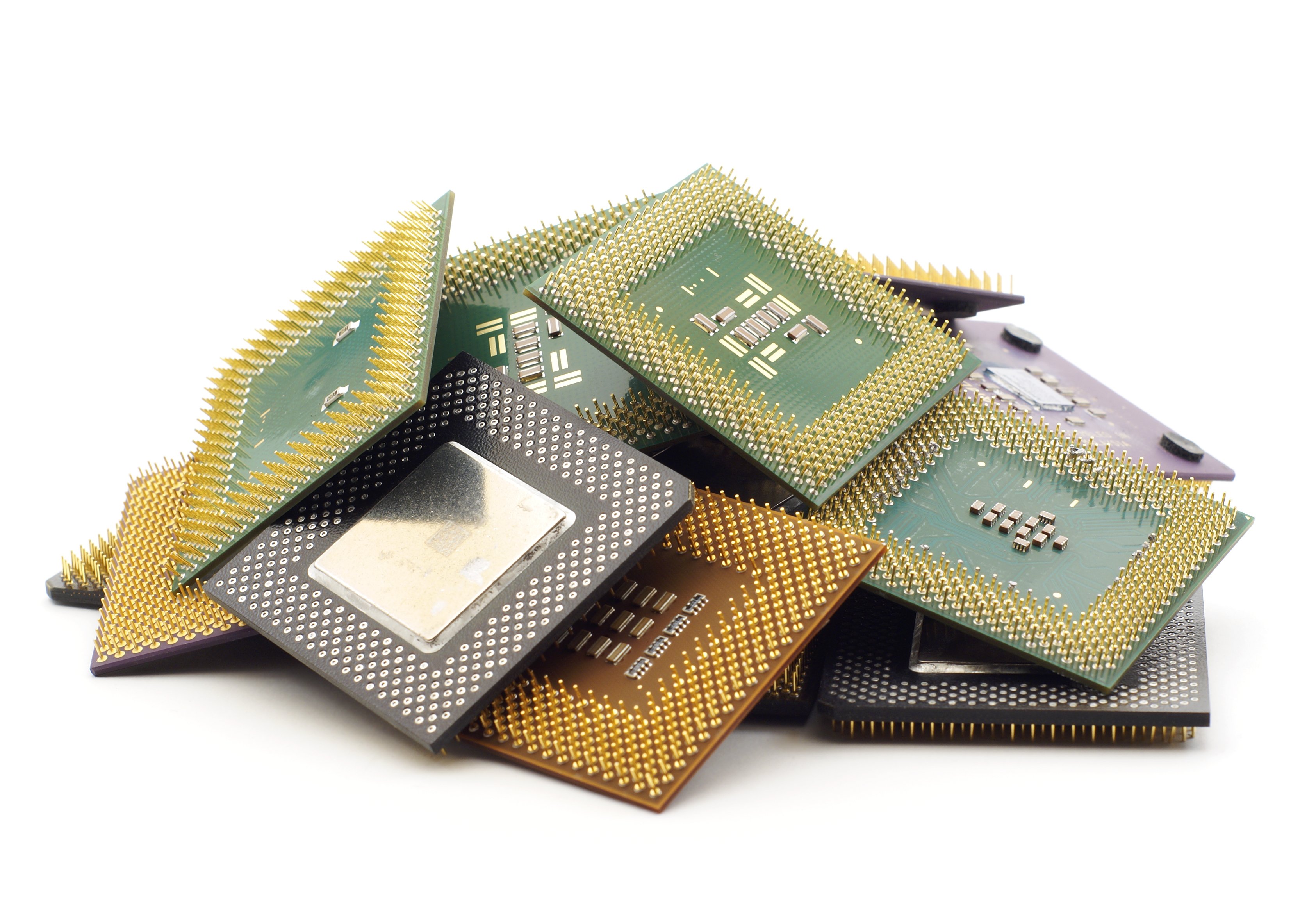
Image source: Getty Images.
Micron Technology
When it comes to big tech companies, Micron has long flown under the radar because of its historically lackluster growth. It took more than two decades for the memory giant to reclaim the highs it reached during the dot-com bubble in 2000, which means long-term investors would have been much better off putting their money in the S&P 500.
However, the generative AI boom might finally be turning Micron's story around.

NASDAQ: MU
Key Data Points
To understand why Micron is booming now, it helps to look at why it has historically struggled. The computer memory market is notoriously cyclical because the hardware is commoditized. One producer's chips are essentially interchangeable with another's, which leads to weak economic moats. And when demand increases, supply eventually rises to meet it, leading to a market glut and eventually a drop in memory prices.
Generative AI has increased memory demand far faster than supply can keep up, leading to massive shortages. According to The Wall Street Journal, ravenous data center demand is spiking prices across the industry. And this means companies like Micron can expect to enjoy significant growth and margin improvements across their product lineups. Fiscal first-quarter revenue jumped 57% year over year to $13.6 billion.
While the current memory boom probably won't last forever, Micron could look to return some of its windfall profits to investors through share buybacks. This move will reduce the number of shares outstanding and help boost earnings per share (EPS), even when memory demand cools.
Amazon
Right now, most of the money in generative AI has accrued to infrastructure players like Nvidia (and to a much lesser extent, Micron) that provide the hardware that makes it possible to train and run large language models (LLMs). But there are growing signs that major companies could be using the technology internally to save money on labor costs. Amazon is the most compelling example.

NASDAQ: AMZN
Key Data Points
Reuters reports that the e-commerce and cloud computing giant may be aiming to cut 30,000 white-collar positions this year. CEO Andy Jassy has said the moves are about improving company culture instead of finances or AI. But it's hard for investors not to draw a connection, considering that he released a memo in June last year claiming AI technology would allow Amazon to reduce its corporate workforce and improve the company's efficiency.
U.S. Amazon positions boast an average salary of $133,000, according to data from ZipRecruiter. And that means layoffs on this scale could lead to billions in annual cost savings and increase the money Amazon can reinvest in its business or use for share buybacks. The last time Amazon authorized a buyback was in 2022 (with $10 billion authorized). And a potential for profit growth could allow it to return more to shareholders.
Amazon also stands to be a big winner in the LLM market because of its close relationship with Anthropic. The start-up has become an early leader in the market for enterprise AI solutions. And with a valuation of $350 billion (that could easily grow over time), Amazon's 15% to 19% equity stake in Anthropic could become another important profit driver.