Intel (INTC 4.64%) investors received a reality check after the company released its fourth-quarter 2025 results on Jan. 22, with the stock shedding nearly 17% in a single session. But it is worth noting that the stock is still up by a massive 111% over the past year.
Intel stock has soared remarkably in the past year due to improving investor confidence, which has been fueled by the company's turnaround efforts and key investments from Nvidia, SoftBank, and the U.S. government. However, the company's poor guidance led investors to book profits, as they are probably worried about Intel's ability to emerge from the rut it is in and successfully execute its turnaround.
Does this mean Intel stock will be under pressure in the coming year and underperform the broader market? Let's find out.
Image source: Intel.
Intel's guidance was bad, but the bigger picture remains intact
Intel ended 2025 with $53 billion in revenue, flat from the year-ago period. Importantly, the company swung to non-GAAP profit of $0.42 per share, compared with a loss of $0.13 per share in 2024. Intel was aiming to save $10 billion in costs last year by reducing its workforce.
Investors seemed happy with this turnaround effort, especially considering that Intel seemed primed to jump onto the artificial intelligence (AI) gravy train through its partnership with Nvidia and the progress it has been making on its advanced chip nodes. But the big jump in Chipzilla's shares inflated its valuation.

NASDAQ: INTC
Key Data Points
The stock is trading at 88 times trailing earnings, and the forward earnings multiple of 75 isn't cheap, either. So, when Intel pointed out that it expects to deliver break-even earnings per share in the current quarter as compared to a profit of $0.13 per share in the year-ago period, investors pressed the panic button. A year-over-year decline in earnings doesn't justify the expensive valuation Intel is trading at.
There are a couple of reasons why Intel's guidance was below par. First, the company is unable to satisfy the demand for its chips. Intel management pointed out on the latest earnings call that supply constraints "meaningfully limited our ability to capture all of the strengths in our underwriting markets." Intel added that the supply challenges will be "most acute" in the current quarter.
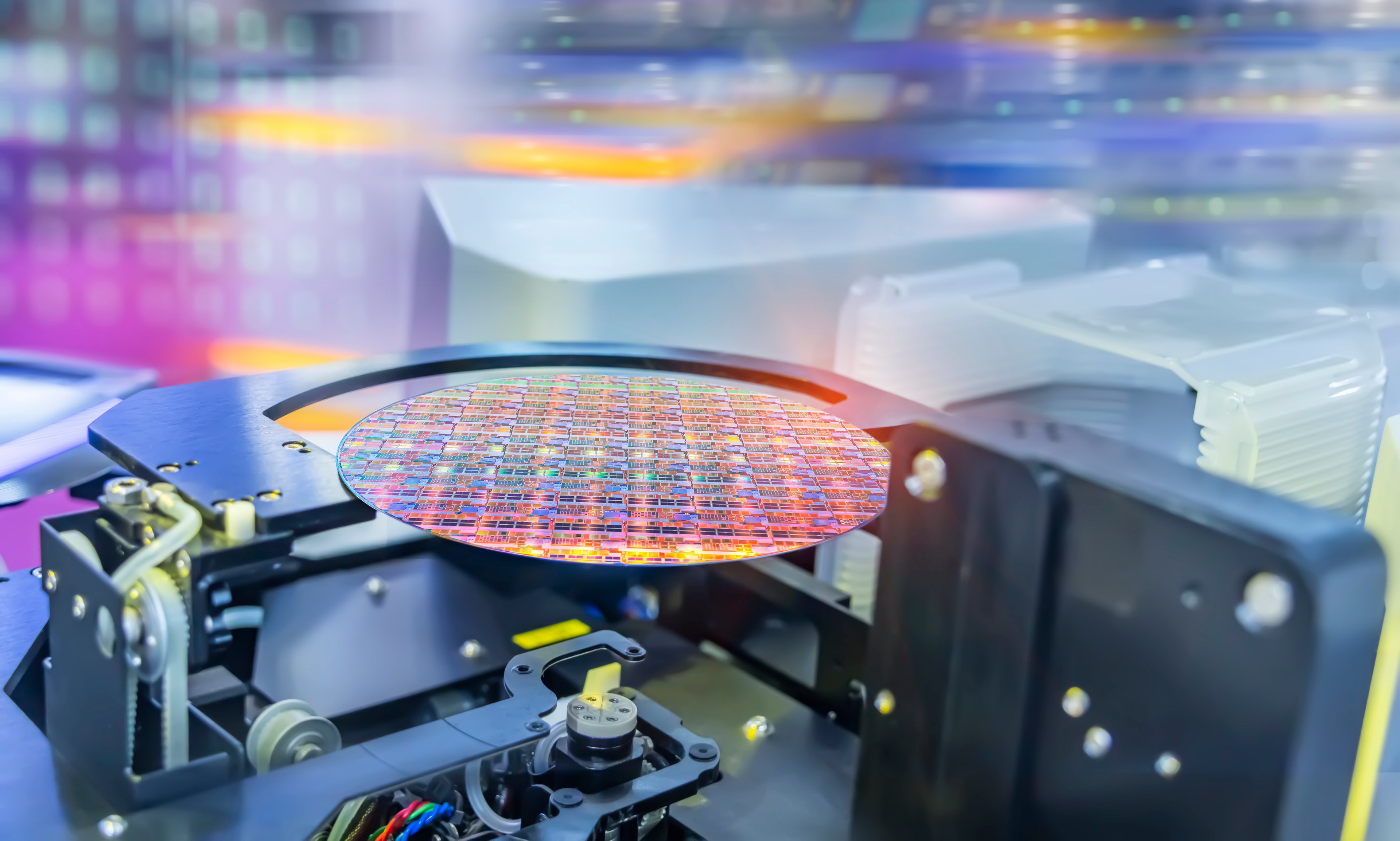
Second, Intel is struggling with chip production yields, which refers to the number of functional, defect-free chips produced from a silicon wafer that can be sold to customers. This factor is weighing on both its top and bottom lines. For instance, the yields on Intel's advanced 18A process -- which is supposed to help it compete with Taiwan Semiconductor Manufacturing -- are lower than the company's expectations.
The good news is that Intel's yields have been improving steadily, with CEO Lip-Bu Tan pointing out that the company is achieving a 7% to 8% improvement every month. Moreover, Intel estimates that supply will start improving from the second quarter, with the situation anticipated to improve with each passing quarter in 2026.
This should enable the company to meet the healthy demand for its chips. Importantly, Intel's data center and AI (DCAI) business recorded 15% growth sequentially to $4.7 billion. This was the fastest sequential growth Intel's DCAI business recorded in a decade. The company's custom AI processors are also witnessing healthy demand. Sales of these chips jumped by 50% from the prior-year period, and the business now boasts an annualized revenue run rate of more than $1 billion.
All this suggests the stock could regain momentum as the year progresses, once Intel convinces investors that its turnaround story remains intact.
Is more upside possible in the coming year?
Intel stock is priced for perfection, according to analysts. Its 12-month price target of $45 is almost in line with its current stock price. Moreover, nearly 70% of the 48 analysts covering Intel rate it as a hold, with just 19% suggesting buying the stock.
With the company expected to deliver an increase of just 16% in earnings this year to $0.49 per share, it is easy to see why Wall Street isn't expecting more upside in the coming year. However, Intel stock could regain its mojo as it works through supply issues, which could eventually lead to higher revenue and earnings growth in 2026 once it can fulfill strong underlying demand.
For instance, brokerage firm Northland Securities raised its price target on Intel stock to $54 from $46 following its latest report, citing that the company's guidance seems conservative. Northland's price target points toward a potential jump of 23% from current levels, though don't be surprised to see this semiconductor stock do better than that in the coming year, as it has the potential to deliver stronger-than-expected growth.