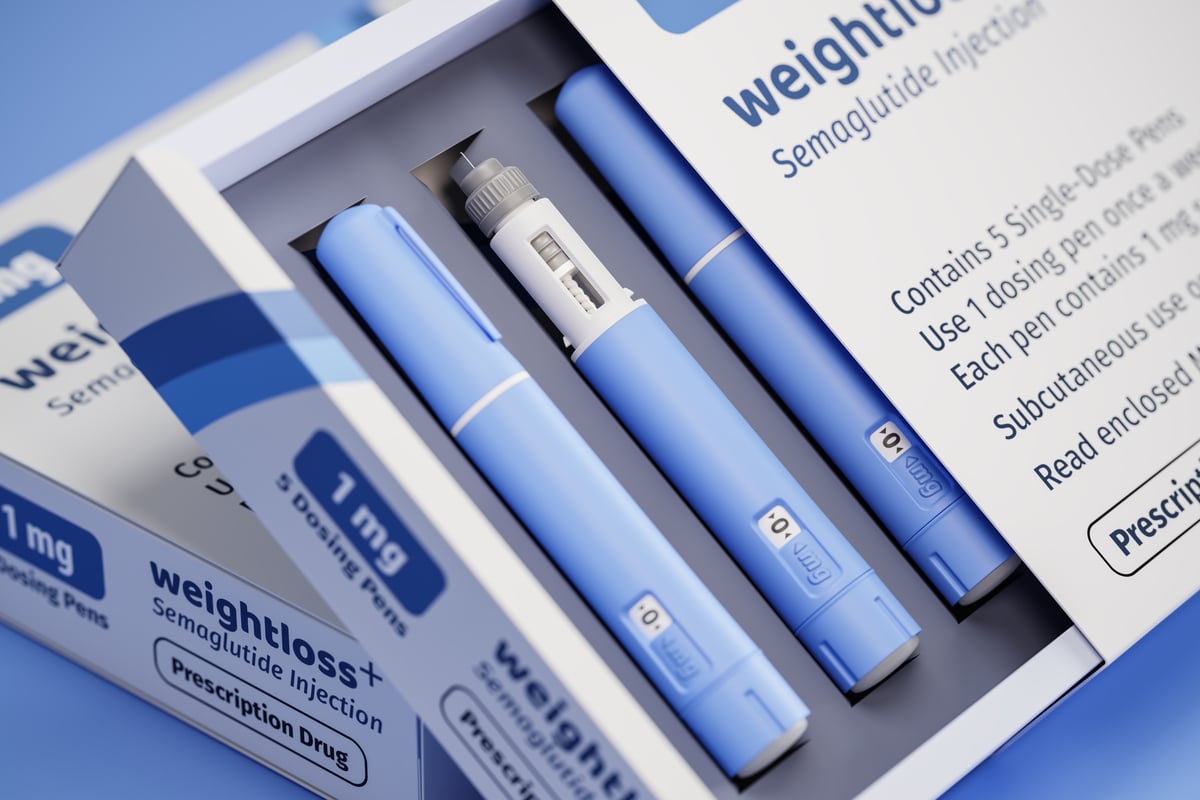
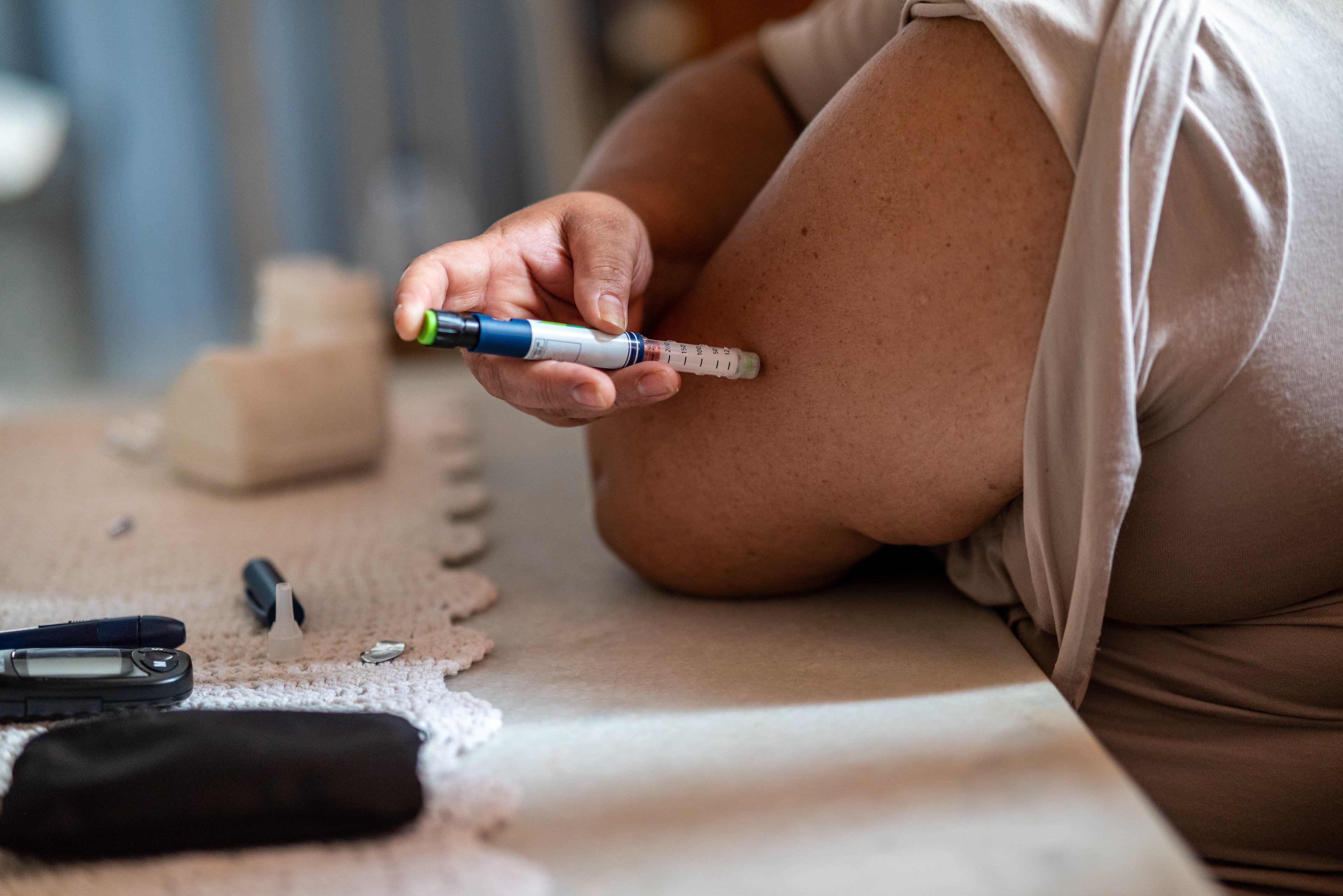
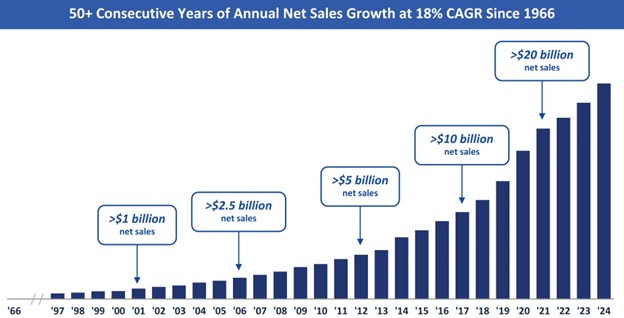
Eli Lilly's (LLY 6.53%) obesity drug, Zepbound, generated sales of $13.5 billion in 2025. Its Type 2 diabetes drug Mounjaro, which is also marketed for treating obesity outside of the U.S., Canada, and Japan, raked in nearly $23 billion last year. Meanwhile, Novo Nordisk's (NVO 6.02%) obesity franchise made the Denmark-based drugmaker 82.3 billion Danish krone (roughly $13 billion).
What was Pfizer's (PFE +0.24%) revenue in the obesity drug market last year? Nada. But can Pfizer crash the Lilly and Novo Nordisk weight-loss party? I think so.
Image source: Getty Images.
Pfizer's convenient differentiator
Thus far, Pfizer's obesity efforts have crashed and burned. Last year, the pharmaceutical giant threw in the towel on experimental weight-loss therapy danuglipron due to potential safety concerns. However, Pfizer didn't give up.
Instead, the drugmaker took another route, acquiring Metsera in November 2025 for $7 billion, plus contingent value rights that could raise the deal's total cost to $10 billion. This acquisition put Pfizer back in the game as a GLP-1 stock.
The company's management believes that the game is winnable. Pfizer's Chief Scientific Officer, Chris Boshoff, discussed the encouraging results from the Phase 2b Vesper-3 clinical study evaluating PF'3944 (formerly MET-097i) in the fourth-quarter update. He stated that the results "increase significantly our confidence in the Phase 3 monthly dosing study that we expect to start later this year."
Pfizer believes that the convenience of a monthly injection (Lilly's and Novo Nordisk's obesity therapies require weekly injections) could be a key market differentiator. CEO Albert Bourla mentioned that the company's research indicates that most patients who receive weekly injections for weight loss would prefer switching to a monthly injection.
Chief U.S. Commercial Officer Aamir Malik stated in the Q4 update that PF'3944's efficacy could be competitive with the top obesity therapies currently on the market. He added, "So we think when you take that efficacy, and then you combine it with a lower medication burden through a monthly dose, that's a value proposition that's gonna resonate with patients, with providers, with payers."

NYSE: PFE
Key Data Points
Scaling up
Pfizer has ambitious plans for its weight-loss therapy candidates. Boshoff said that the company plans to advance 20 or more clinical trials evaluating obesity drugs in 2026. The list includes 10 late-stage studies of PF'3944.
Phase 2 studies featuring Pfizer's ultra-long-acting amylin analog have particularly fueled optimism. Boshoff told analysts on the Q4 earnings call that he and his team believe this amylin analog, in combination with PF'3944, "has the potential for class-leading efficacy."
While Pfizer's top obesity priority is its monthly GLP-1 injectable, it isn't forfeiting the oral therapy market to Lilly and Novo Nordisk. In December 2025, Pfizer announced a collaboration and license agreement with YaoPharma, a subsidiary of Shanghai Fosun Pharmaceutical (OTC: SFOSF). This deal gives Pfizer an exclusive license to develop and market the oral GLP-1 agonist YP05002, which is currently in Phase 1 clinical testing.
Playing the long game
To be sure, Pfizer won't be able to immediately compete in the obesity drug market. Boshoff acknowledged in the Q4 update that the first potential approvals won't come until 2028. However, I think that Pfizer has a good strategy in focusing on monthly injections. PF'3944 could become the maintenance therapy of choice for patients in an obesity market that could reach $150 billion.
In the meantime, investors can get paid to wait. Pfizer ranks among the most attractive high-yield dividend stocks in my view, with a forward dividend yield of 6.4%.
Lilly and Novo Nordisk should enjoy their private party while they can. Pfizer could be ready to crash it in the not-too-distant future.