When President Donald Trump imposed tariffs on goods from virtually every nation on Earth last year, there was concern in the markets that these high new taxes would weigh on all sorts of U.S. businesses, including online retailers such as Amazon (AMZN +1.42%). Last year, the e-commerce stock rose by just a modest 5%, while the S&P 500 rose by 16%.
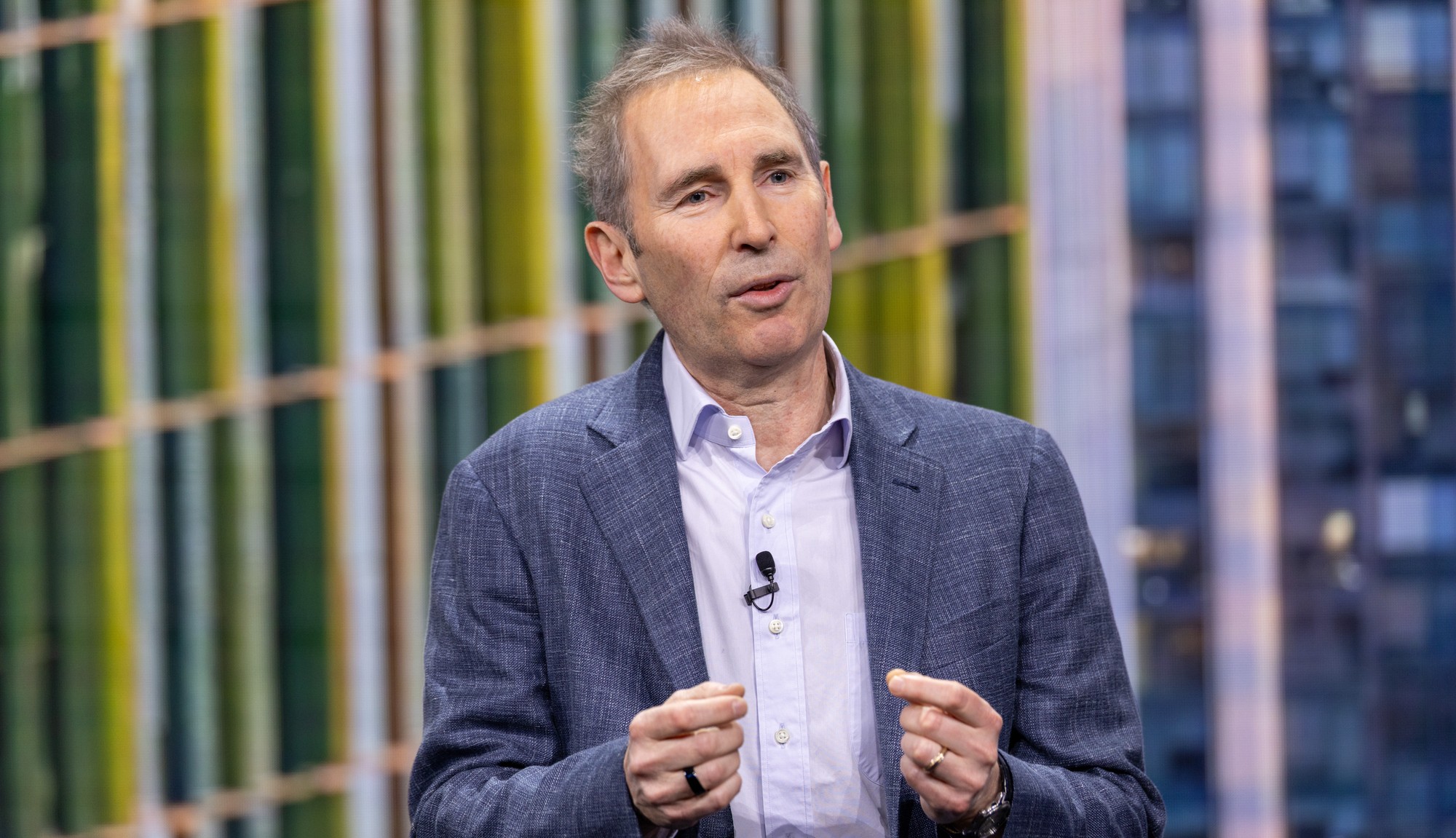
The headwinds for Amazon didn't end up as immediately impactful as some had feared; the company has continued to do well and generate strong growth. But could that change this year? According to CEO Andy Jassy, 2026 could be a challenging year for the business due to tariffs.

Image source: Getty Images.
The pre-tariff stockpiles are running low
When Trump announced his tariff plans last year, retailers had time to prepare before they took effect -- those that were able to stockpile large volumes of inventory and supplies were more able to keep their prices fairly consistent for a time. But large proportions of those tariffs remain in place, and as inventory has been depleted over time, merchants are now holding more goods that cost them more to acquire.
As a result of that, Amazon's CEO says that prices for many things are likely to rise on the marketplace in the near future. Speaking to CNBC from the World Economic Forum in Davos, Switzerland, last month, Jassy said the company has already noticed consumers being more price-conscious in their shopping: "They are looking for bargains wherever they can find bargains. I see people a little more hesitant on the higher-priced discretionary items," he said.
This could create some challenges for Amazon this year, as shoppers may be more inclined to look outside of Amazon's marketplace in an effort to cut costs. Dollar stores and other online retailers may prove compelling alternatives, even if people must sacrifice some of the convenience that shopping on Amazon confers.

NASDAQ: AMZN
Key Data Points
Should shareholders be worried?
The challenges of higher prices due to Trump's tariffs are not exclusive to Amazon. Many retailers will face the same problems this year. So while tariffs may affect Amazon's growth, they are not a reason to be bearish on the stock as a whole.
The company still has terrific long-term growth prospects, and Amazon could still be a great investment for the long haul. It has a robust business that generates solid margins and free cash flow, so it would be in an excellent position to navigate any broad economic slowdown. Although its market cap of $2.6 trillion might suggest the stock is expensive, its forward price-to-earnings multiple of 29 shows that it's not egregiously overvalued, given the volume of earnings it generates.
The stock may not take off this year due to difficult macroeconomic conditions, but it can still be a great one to put into your portfolio and simply hang on to for years.