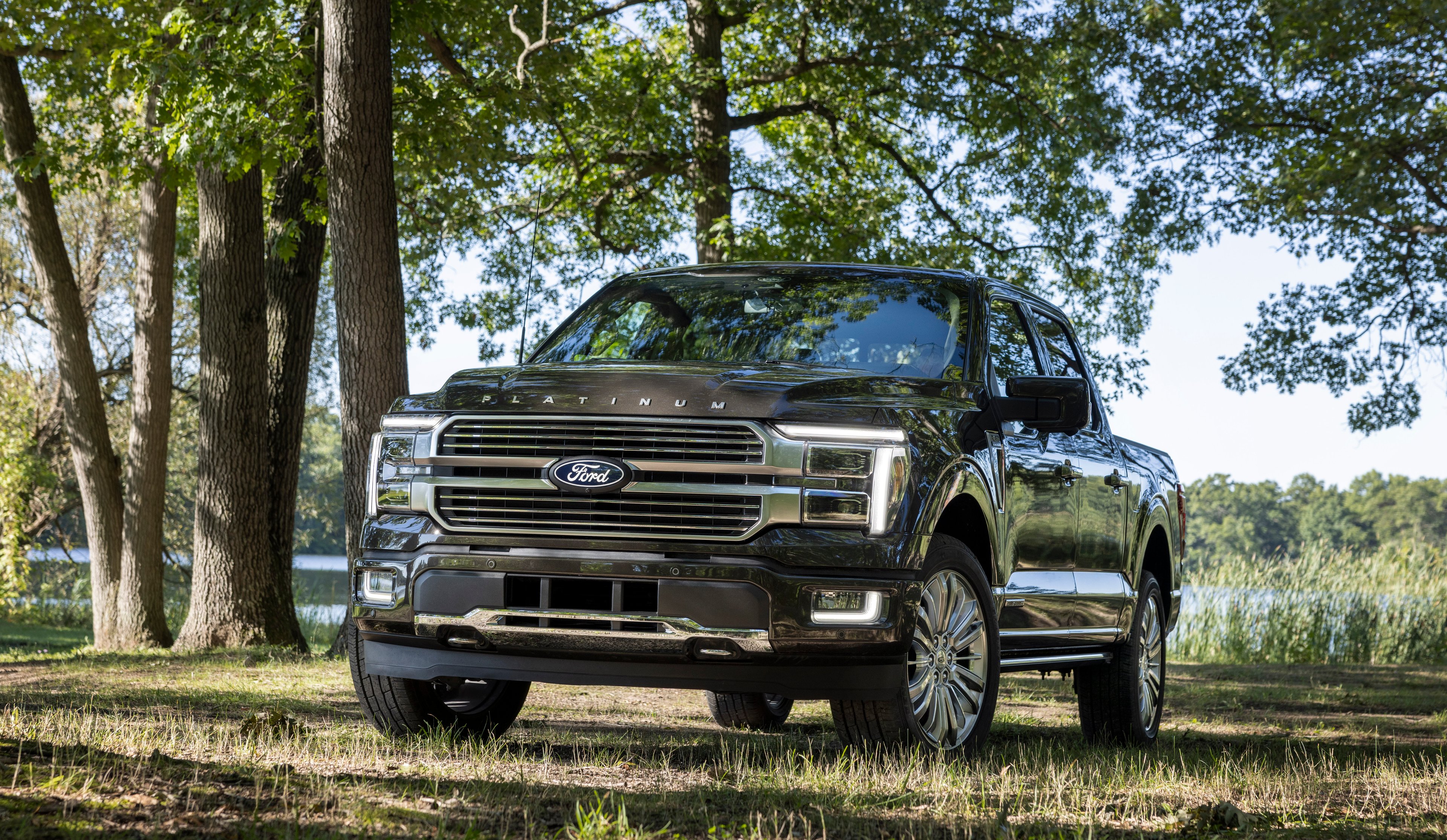
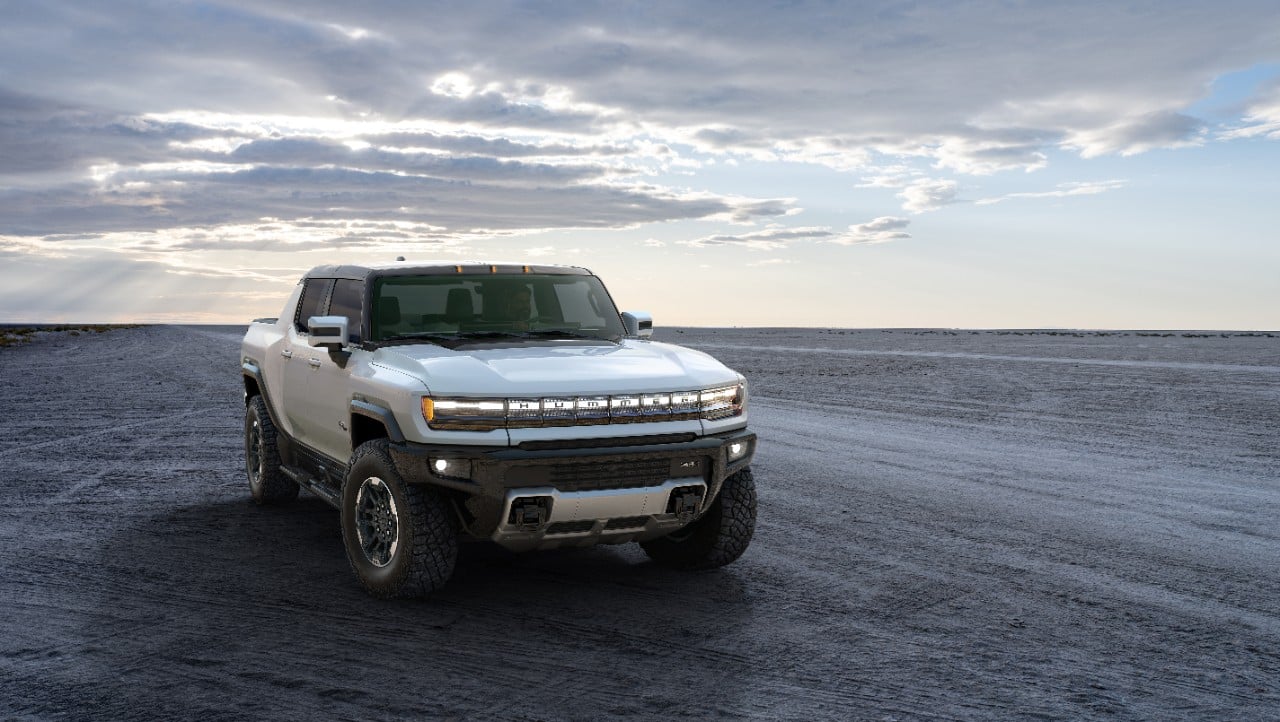
Years ago, analysts warned Detroit automakers Ford Motor Company (F +0.29%) and General Motors (GM 1.87%) that it would be wise to pull operations out of an increasingly competitive China and instead focus on its core profit engine, North America.
While Detroit automakers have been reluctant to give up entirely on the market, the Chinese rivals -- especially those focused on electric vehicles -- are expanding across the globe and undercutting prices with advanced EV technology.
However, if Ford and GM can take a page out of the Chinese playbook, the Chinese coming to America could be a massive opportunity.
Rewind the clock
If investors rewind the clock two decades ago or more, Detroit automakers were scrambling to get as much of a rapidly expanding automotive market in China. It was supposed to become the next major market to stand next to North America as a pillar of profits -- but that didn't materialize for most.
What did happen, however, was a brilliant move by the Chinese government that forced incoming foreign automakers to pair up with domestic automakers to gain access to the valuable market. Foreign automakers begrudgingly accepted this and over the course of a couple decades, the Chinese automakers have turned from an afterthought into game-changing companies.
Chinese EV makers are currently some of the most advanced and most affordable EV options on the planet, and are quickly exporting record numbers of vehicles and initiating local production in places like Europe.
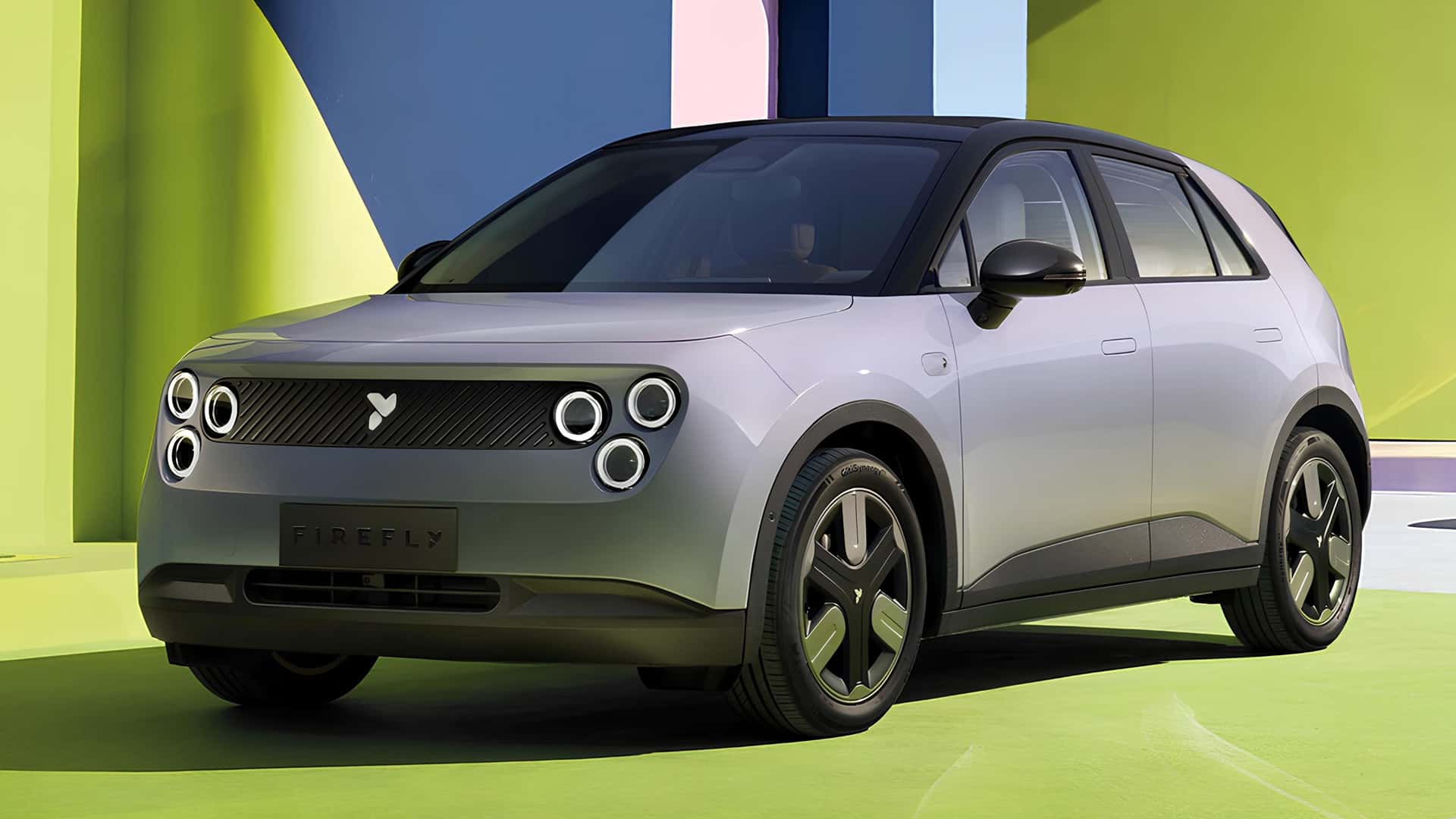
Image source: Nio.
"The progression of Chinese cars in Europe is massive," said Roberto Vavassori, a Brembo executive who heads Italy's Anfia trade group, according to Automotive News. "It's a matter of survival for our industry."
Already, almost 1 of every 10 passenger cars sold in Europe is Chinese. Eventually, and likely sooner rather than later, the Chinese will be offering vehicles in the U.S. and Detroit automakers need to be prepared to learn a thing or two.
Stealing a page?
According to Steve Greenfield, Automotive Ventures general partner, he believes investors will see announcements as soon as this year of the Chinese starting to sell vehicles in America.
"The most important thing is sharing intellectual property," said Greenfield, according to Automotive News. "As the Chinese did to us 20 years ago over in China, we need to figure out how they're building cars faster and cheaper. And if we can make sure that intellectual property gets shared back to our legacy automakers, they're actually going to be more healthy as a result."

NYSE: F
Key Data Points
Make no mistake, while Ford and GM both have strong balance sheets and a pile of cash, unhealthy automakers will be pushed toward bankruptcy by the Chinese. For investors, it's difficult to wrap our minds around the idea that Chinese automakers have advanced so much further because they weren't burdened with a legacy or historic way of developing, sourcing, and producing vehicles, but it's reality.
The Chinese have created substantial savings through a more developed vertical supply chain, among other factors, and even source indistinguishable parts together as a group to bring down pricing. Detroit needs to steal a page out of the Chinese handbook when it becomes available. Investors keeping an eye on which automakers are healthy and working toward gaining intellectual property -- Ford is investigating partnerships with Chinese automakers in Europe already -- will have a massive long-term advantage.
The nightmare scenario of Chinese EVs in the U.S. could be just the opportunity Detroit automakers need to become their best versions down the road.