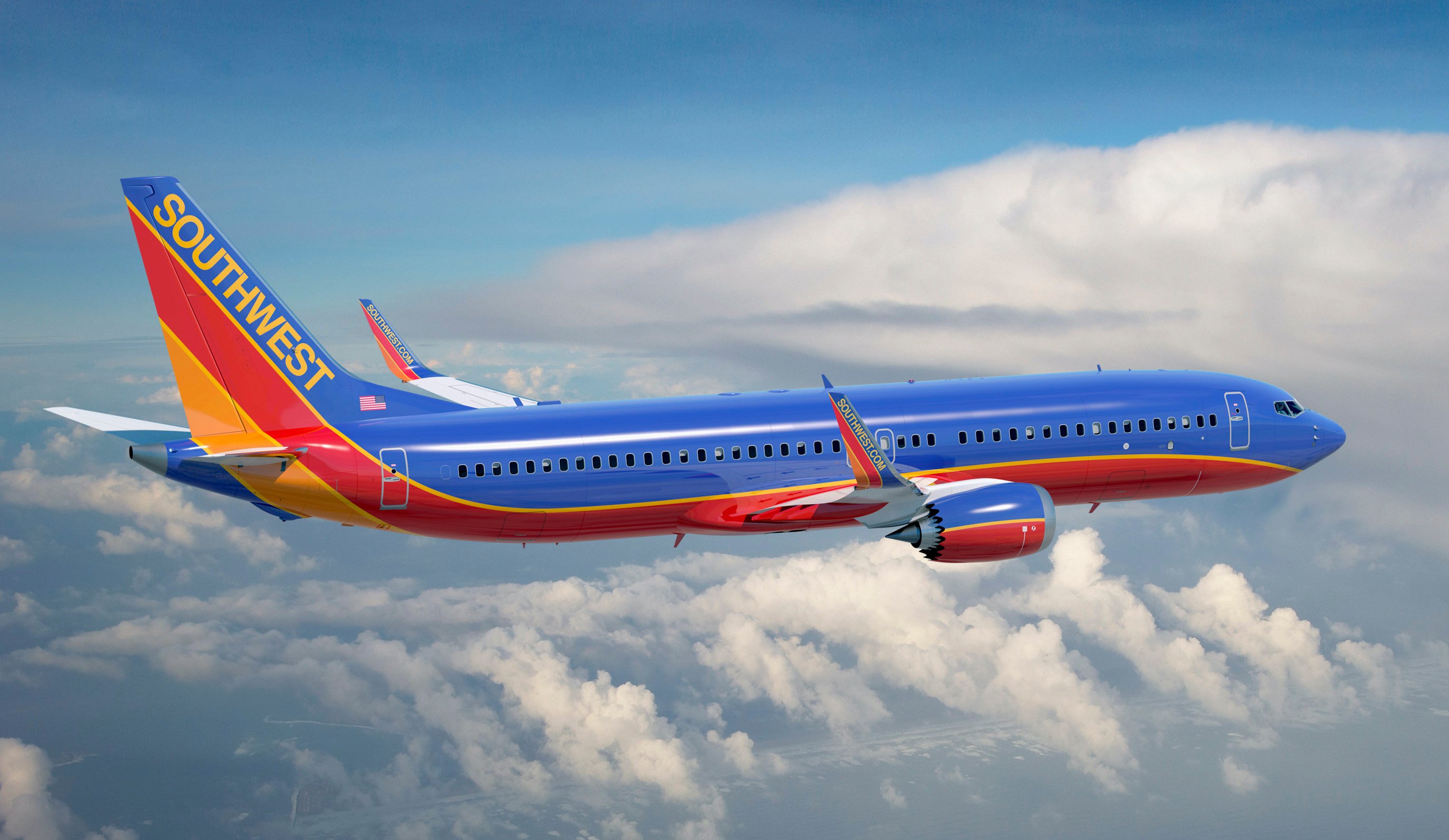
Southwest Airlines (LUV 0.15%) stock tumbled 6.5% through 2:35 p.m. ET Friday. Don't blame Southwest for the slide, though.
Blame United Airlines (UAL +0.26%) instead.
Image source: Getty Images.
United CEO sounds the alarm
Speaking at Harvard's John A. Paulson School of Engineering and Applied Sciences on Friday, United CEO Scott Kirby said oil prices, which skyrocketed this week due to conflict in the Middle East, will have a "meaningful" impact on United's Q1 financial results. (United stock is now down 3.3%.)
It makes sense that other airlines might suffer similarly.
Oil prices are up 36% since bombs began falling on Iran last week, according to data from OilPrice.com, with Brent crude prices approaching $93 a barrel. Worse news for airlines, jet fuel prices are up 58% over the same period, hitting $3.95 per gallon Friday, according to CNBC.
Fuel is generally considered the second-largest cost for running an airline. If this is a problem for United (and the CEO says it is), it will be a problem for Southwest as well.

NYSE: LUV
Key Data Points
What does this mean for Southwest stock?
If there's good news to report, it's that as a mostly domestic airline, Southwest at least doesn't need to contend with customers canceling flights (or seeing them canceled involuntarily) to avoid a war zone. CNBC also noted that some 25,000 flights through the Mideast have already been canceled.
United's CEO said demand hasn't been a problem for it yet, either. With revenue up 20% in Q1, Kirby said his airline "has not taken even a tiny step back" on the demand front.
Only one week into the war, I wouldn't bet on this holding true forever. But at least it's one thing Southwest investors don't need to worry about.