The war with Iran is significantly impacting energy supplies. Iran has attacked tankers trying to pass through the Strait of Hormuz, effectively closing that key energy market chokepoint. The fighting escalated last week when Israel attacked Iran's South Pars natural gas field. Iran responded by striking energy infrastructure in the Persian Gulf.
Damage to liquefied natural gas (LNG) terminals in Qatar will likely have a long-term impact on energy markets. Here's a look at what happened and some LNG stocks that could capitalize on the opportunity to fill in the global supply gap.
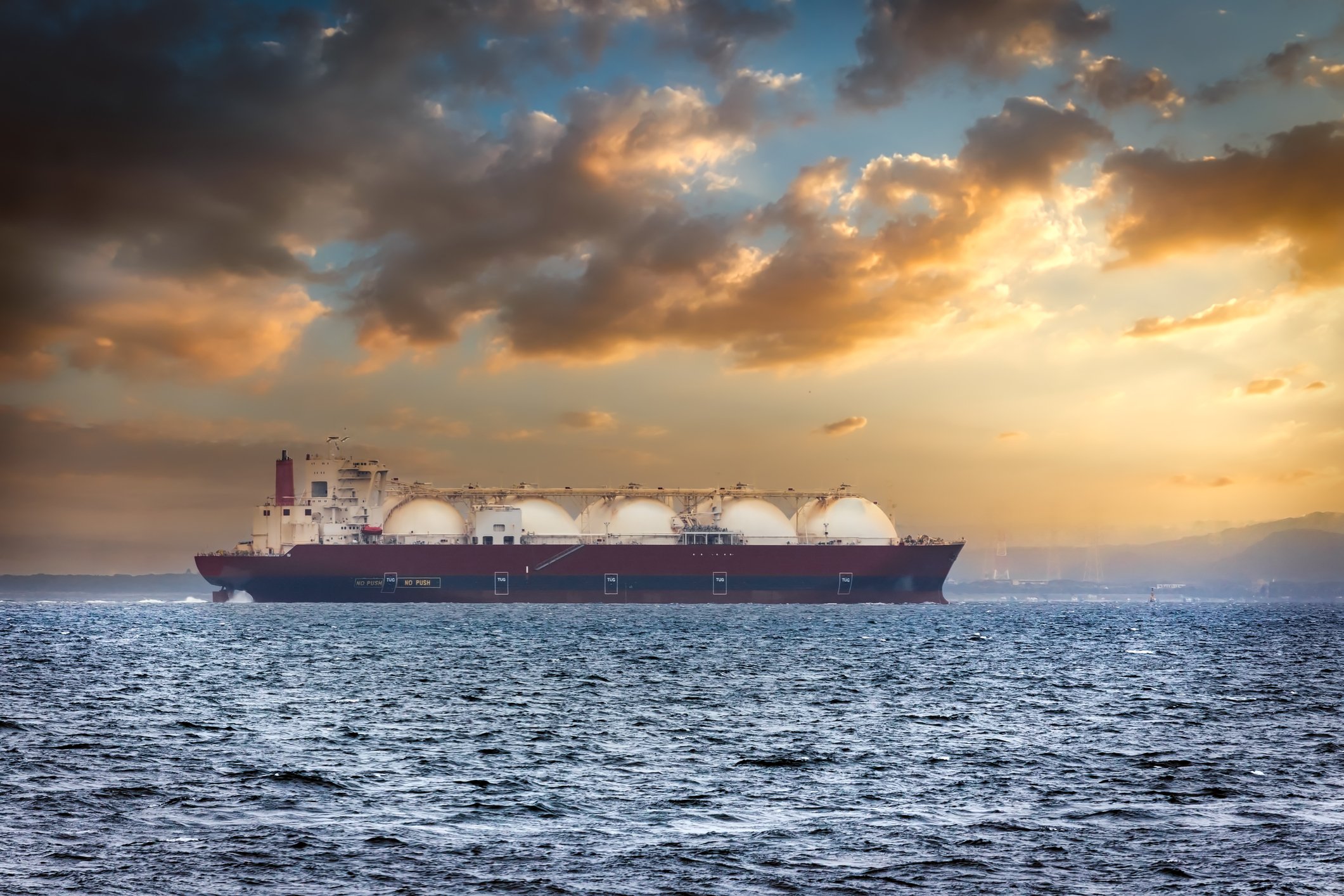
Image source: Getty Images.
A big hit to global LNG capacity
For the most part, Iran's retaliatory actions have only caused temporary supply disruptions. While the Strait of Hormuz remains effectively closed to the free flow of tanker traffic, including LNG carriers, it should reopen eventually. Likewise, most of Iran's attacks on energy infrastructure in the Persian Gulf have resulted only in temporary production shut-ins.
However, its recent strikes against Qatar have caused meaningful damage to the country's LNG infrastructure. They damaged two of the country's 14 LNG trains, which produce 12.8 million tons of LNG per year (ExxonMobil is a partner in the damaged LNG facilities with a 30% interest in train S6 and a 34% stake in train S4). Qatar expects these facilities, which account for 17% of its supply, to remain offline for the next three to five years for repair. Qatar is one of the world's largest LNG producers, contributing 20% of global supply. The country also has significant capacity under construction to help meet future demand. If Iran causes more damage to the country's LNG infrastructure, it could have an even greater long-term impact on global supplies.
Two U.S. LNG leaders and a wild card
The damage to the Qatari LNG facilities will have long-term ramifications on the energy industry. LNG prices will likely remain elevated until new capacity comes online to offset the damaged trains. Additionally, countries might not be as willing to buy more LNG from Qatar unless the war brings lasting peace, including regime change in Iran.
That could benefit leading U.S. LNG producers such as Cheniere Energy (LNG +2.09%) and Venture Global (VG +1.84%). Cheniere Energy is a top U.S. LNG exporter with 52 million tons of annual production capacity and another 9 million tons under construction. While Cheniere signs long-term contracts for the bulk of its capacity, it has some unsold capacity that it can sell at higher market prices. Cheniere also has significant future expansion potential. Additional capacity could be easier to sell to customers seeking to reduce their reliance on Qatar for LNG supplies in the future.

NYSE: LNG
Key Data Points
Venture Global is quickly becoming a leading U.S. LNG producer. It recently approved the second phase of CP2 LNG, its third LNG project. It will make Venture Global the largest U.S. LNG producer when it's fully online at 29 million tons per year. The company also filed a plan late last year to expand its Plaquemines LNG facility, which could add another 30 million tons of capacity. That large-scale expansion project could be easier to commercialize due to the war with Iran.

NYSE: VG
Key Data Points
Meanwhile, energy midstream giant Energy Transfer (ET +0.68%) could capitalize on the turmoil in the global LNG market. The master limited partnership suspended development of its long-delayed Lake Charles LNG project late last year to focus on higher return opportunities to expand its gas pipeline business. However, Energy Transfer said it remained open to discussions with third parties interested in developing the facility. Interest in the nearly shovel-ready project might pick up now that there will be long-term impacts to the global LNG market following the war.
Don't overlook LNG
Oil has been in the headlines a lot since the war began. However, the LNG market could experience the biggest long-term impact from the war due to the damage to Qatar's facilities. That puts U.S. LNG producers in a strong position to capitalize on the opportunity to fill the gap, making them intriguing long-term investments to consider right now.