Elon Musk's space exploration brainchild, SpaceX, is set to hit the market through an initial public offering (IPO) expected in June. With Bloomberg reporting a target valuation of over $2 trillion, it would become one of the world's largest public companies.
But is it a good investment? Let's compare SpaceX to a smaller alternative, RocketLab (RKLB +16.23%), to see which stock might make the better long-term bet.
RocketLab may have more room for growth
The biggest difference between SpaceX and RocketLab is their size -- both in valuation and payload capacity. The smaller a company is, the easier it is for management to drive noticeable growth. And with SpaceX's expected market cap of $2 trillion, investors who buy the IPO run the risk of getting a mature company at the end of its phase of super growth. According to data from private-market researcher Sacra, SpaceX's revenue grew 18% in 2025, a substantial deceleration from the 64% growth estimated in 2024.
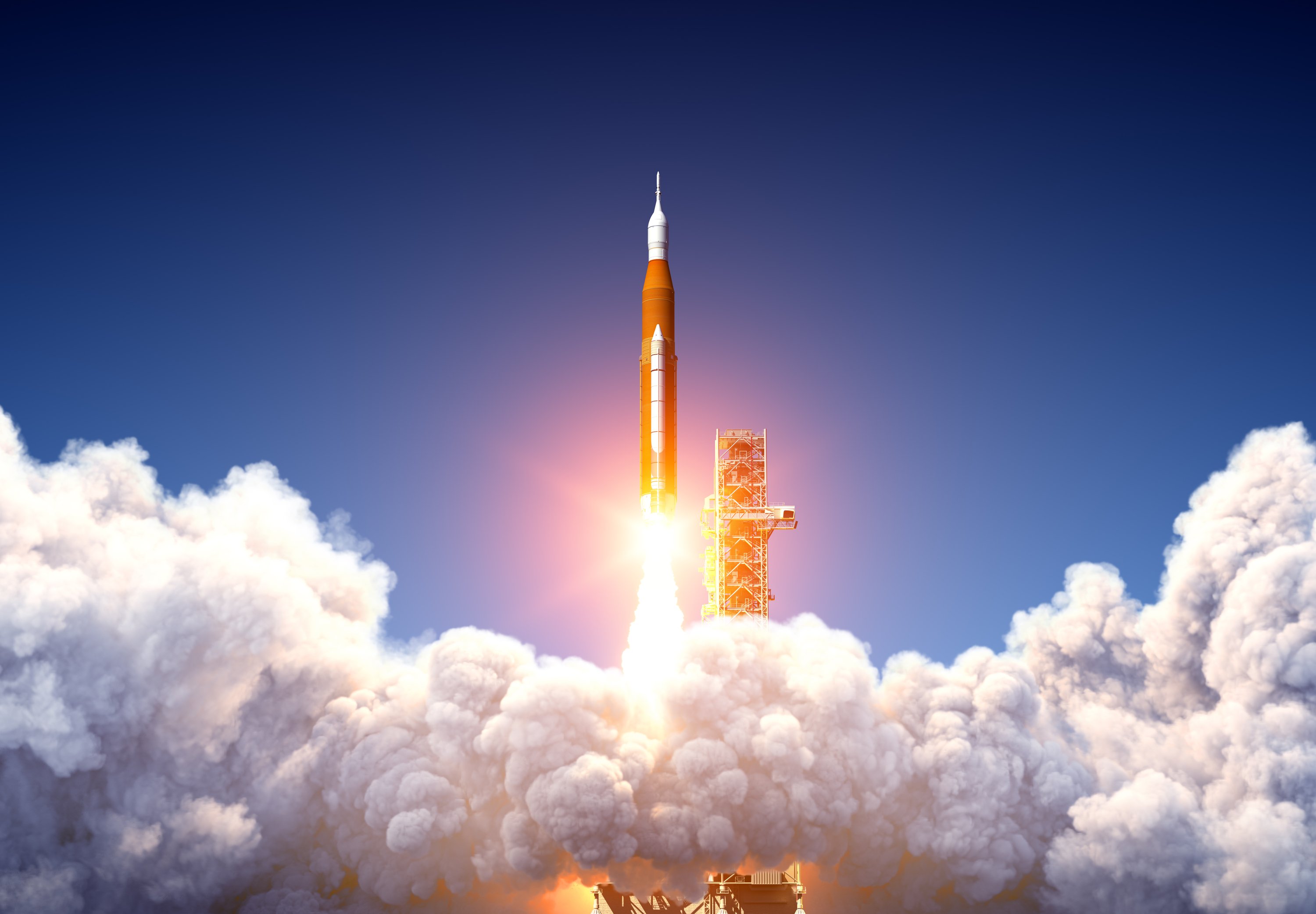
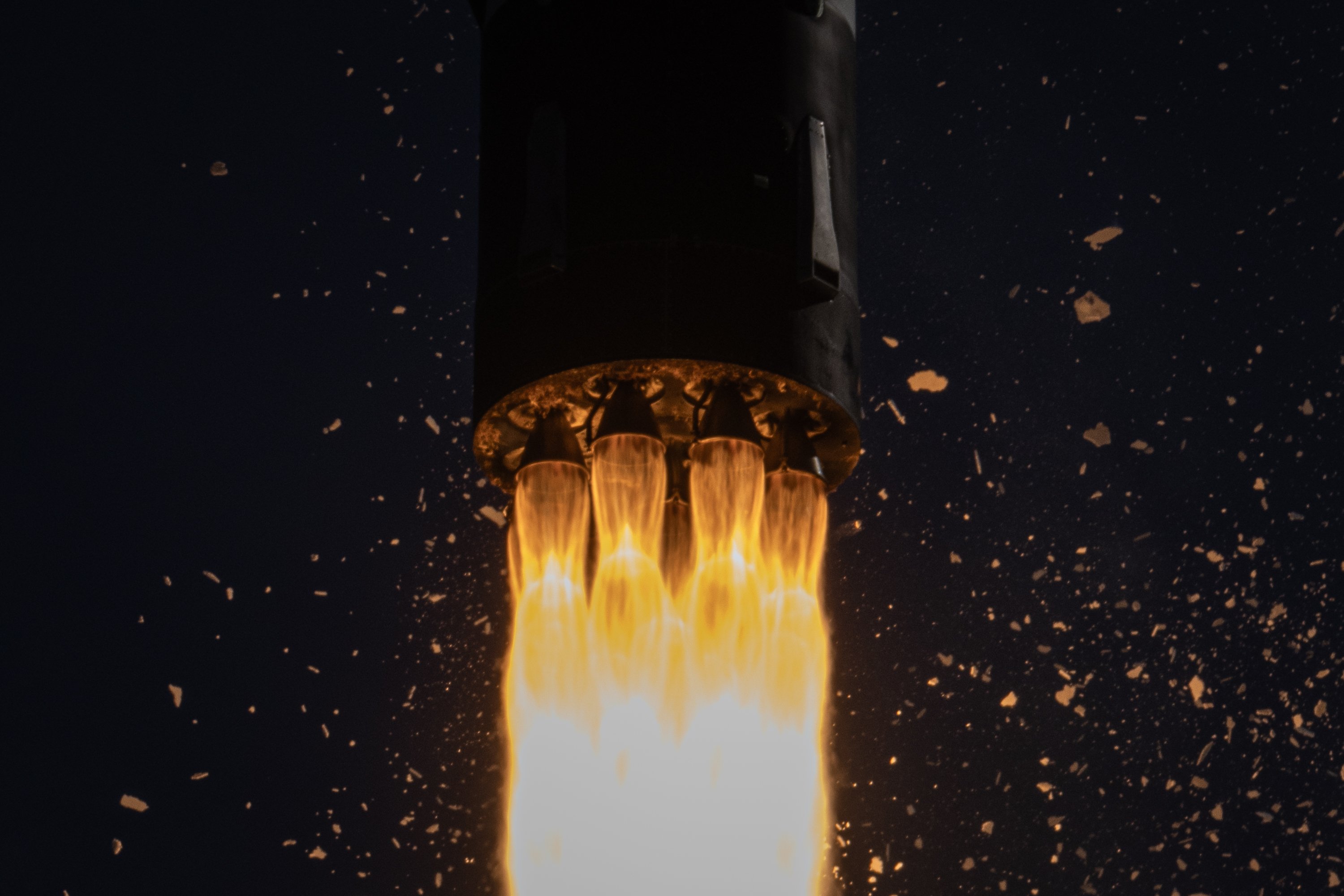
RocketLab is in the totally opposite situation. It is a far less mature company with a market cap of just $37 billion, which leaves plenty of room for growth. The company could substantially boost its operations in the near term with the launch of a new rocket called Neutron. This platform could be capable of transporting payloads of more than 33,000 pounds into low Earth orbit, making it a potential competitor with SpaceX's Falcon, which has a payload capacity of almost 50,000 pounds.
SpaceX has too much political exposure
SpaceX's CEO, Elon Musk, might just have the Midas touch when it comes to business. He has successfully led two companies to valuations of over $1 trillion (SpaceX and Tesla), which doesn't happen by accident. That said, his leadership has become a double-edged sword for both companies because of rising partisan political exposure.
This challenge became apparent in the aftermath of President Donald Trump's 2024 election victory, when Musk's open support led to a backlash against Tesla vehicles across the U.S. and Europe -- where sales declined by a blistering 28% in 2025. SpaceX has been spared much of the fallout because it is significantly less consumer- and brand-focused compared to Tesla. That said, it hasn't escaped totally unscathed.

Image source: Getty Images.
In October 2024, officials of the California Coastal Commission cited Musk's political activity (alongside environmental concerns) when rejecting a planned expansion of launches from Vandenberg Space Force Base, which is located in the state. And while this was a relatively minor roadblock for the company, such issues could become more frequent if a less favorable administration takes the White House in 2028.
Political pushback is a major risk for SpaceX because of its huge exposure to the U.S. government. Rocket launches rely on regulatory permission, and the company relies on contracts from agencies like the National Aeronautics and Space Administration and the U.S. Space Force.

NASDAQ: RKLB
Key Data Points
What is the catch for RocketLab?
RocketLab gives investors more opportunity for long-term growth and less political exposure compared to its larger rival, SpaceX. That said, the smaller company isn't without its challenges. For starters, its Neutron program has been plagued by frequent delays.
The commercial launch of these new, larger rockets was first promised in 2024, before being pushed out to 2025, and finally to the fourth quarter of 2026 after a tank failure during a test launch. And if this trend continues, it could significantly push back the company's journey to being a sustainable commercial operation.
It is crucial for RocketLab to show the market that profits can be achieved in a reasonable time frame because of the expectations already built into its valuation. With a price-to-sales ratio of 58, shares trade at an immense premium compared to the S&P 500 average of just 3.2. And while the stock looks like a long-term winner, investors may want to wait for a more attractive entry point before considering a position.