A helpful indicator of how automakers such as Ford Motor Company (F 0.67%), General Motors (GM 0.97%), and Stellantis are operating is quarterly sales in the lucrative U.S. market, which drives a huge chunk of profitability. There's plenty to digest from the first-quarter data, but let's focus on what will slow Ford's earnings a bit, why, and how quickly it can recover.
Challenging comparisons
The first thing investors should do is surround the data with some necessary context. In this case, Q1 U.S. sales faced a tough comparison with 2025. In fact, Q1 sales in the U.S. last year were as strong as they had been in the previous six years, driven by people rushing to purchase before anticipated price increases due to tariffs. Q1 2026 sales fell for a number of juggernauts, including GM, Toyota, Ford, Honda, Nissan, Subaru, and BMW Group. In addition to the difficult comparison from last year, automakers grappled with lingering winter weather, near-record new-vehicle pricing, and rising gasoline prices.
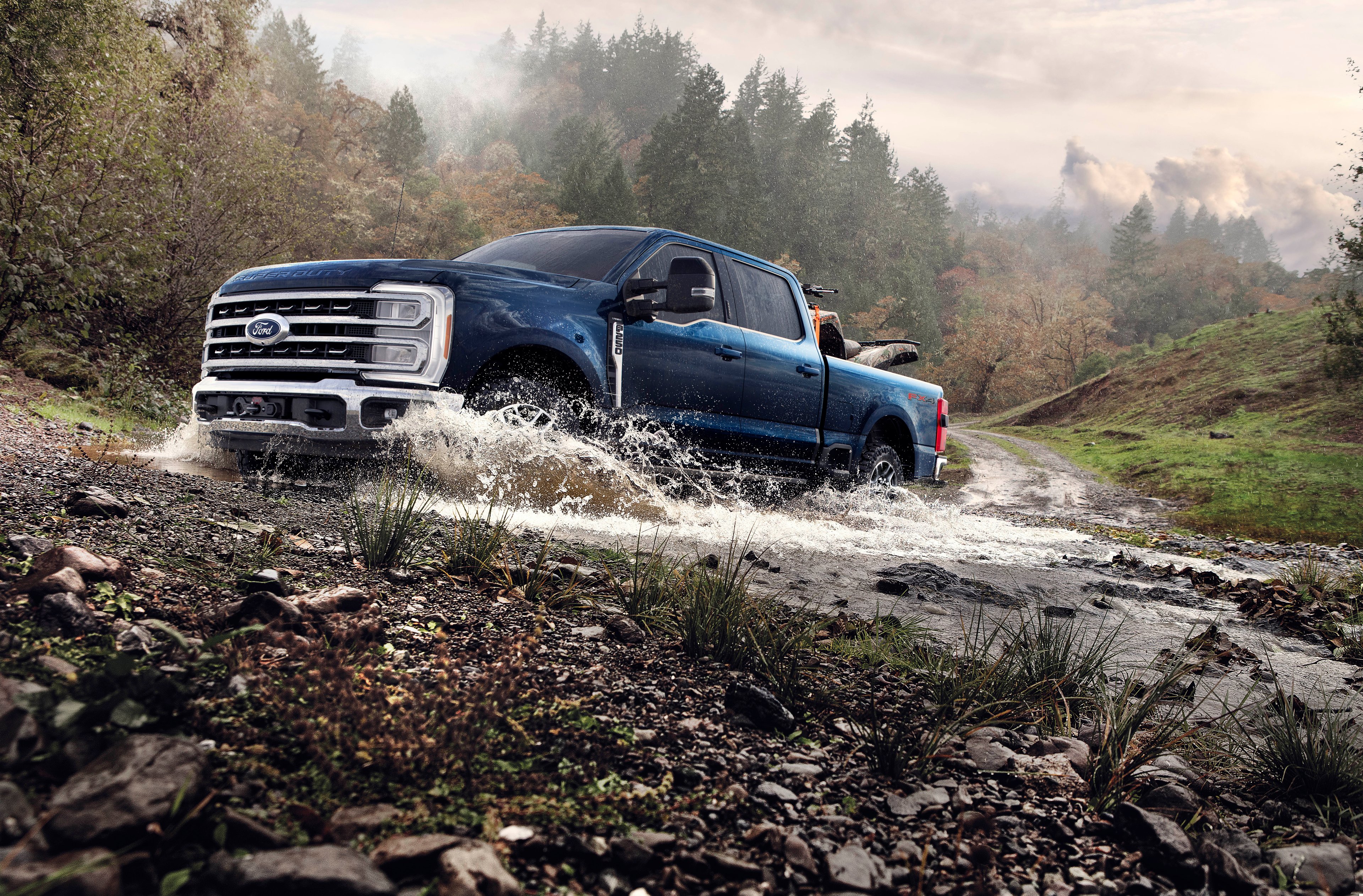
Image source: Ford Motor Company.
For investors, one of the first data points to consider is sales of full-size trucks, Detroit automakers' bread-and-butter vehicle category. It's worth repeating that sales of these full-size trucks can carry price tags three times the size of smaller sedans and also come with much fatter margins. This is where the folks at Ford will feel a little pain when the company reports Q1 earnings.
Sales of Ford's best-selling truck, the F-Series, dropped 16% year over year, nearly double the automaker's overall 8.7% decline. That compares unfavorably to crosstown rival GM, which posted roughly flat sales of the Silverado and a near 4% decline for the Sierra. The biggest surprise was from Stellantis, which has struggled to regain sales traction in recent years, posting a 20% sales gain for its Ram brand. That gain was driven by sales of the 1500 increasing 27% and heavy-duty volume jumping 21%. It was the Ram's best Q1 sales performance since 2023.

NYSE: F
Key Data Points
Ford plans a rebound
The speed bump that caused Ford's challenging F-Series sales was a fire at the Novelis aluminum plant in Oswego, New York. This plant supplies roughly 40% of U.S. automotive aluminum and is a key supplier to Ford's F-150. Original estimates pegged the disruption to cost Ford between $1.5 billion and $2 billion in earnings between 2025 and 2026. Ford has managed to offset some of the losses, and the net effect is expected to be roughly $1 billion.
Ford is sourcing aluminum from other suppliers and will add a third shift at its Dearborn Truck Plant this year to make up roughly 50,000 vehicles in lost production. The recovery will be uneven, with a stronger showing during the second half of 2026, as the aluminum plant expects to resume full production by the end of the second quarter.
Investors can relax, because not only does one quarter not make a trend, but the cause was largely beyond Ford's control. Ford has taken necessary steps to mitigate as much as possible, but it's also important for investors to provide some context around Q1 earnings, such as this development.