Over the past three years, the industrial sector was the third-best performing group in the S&P 500. Using sector exchange-traded funds (ETFs) as the targets, the Industrial Select Sector SPDR ETF (XLI +0.07%) notched total returns of 80.33% over that period, nudging past the S&P 500.
That's great, but if there's a rub (one investors are likely to tolerate given that performance), it's that dividend yields on industrial stocks tend to be low. The dividend yield on the SPDR ETF mentioned above is just 1.18%, or barely better than the 1.04% investors earn on a basic S&P 500 ETF or index fund.
On that basis, Union Pacific (UNP +0.21%), with a yield of 2.18%, is a "high-yield" name relative to the industrial sector and the broader market. Fortunately, it's not just the yield that makes this railroad stock worthy examining for income investors.
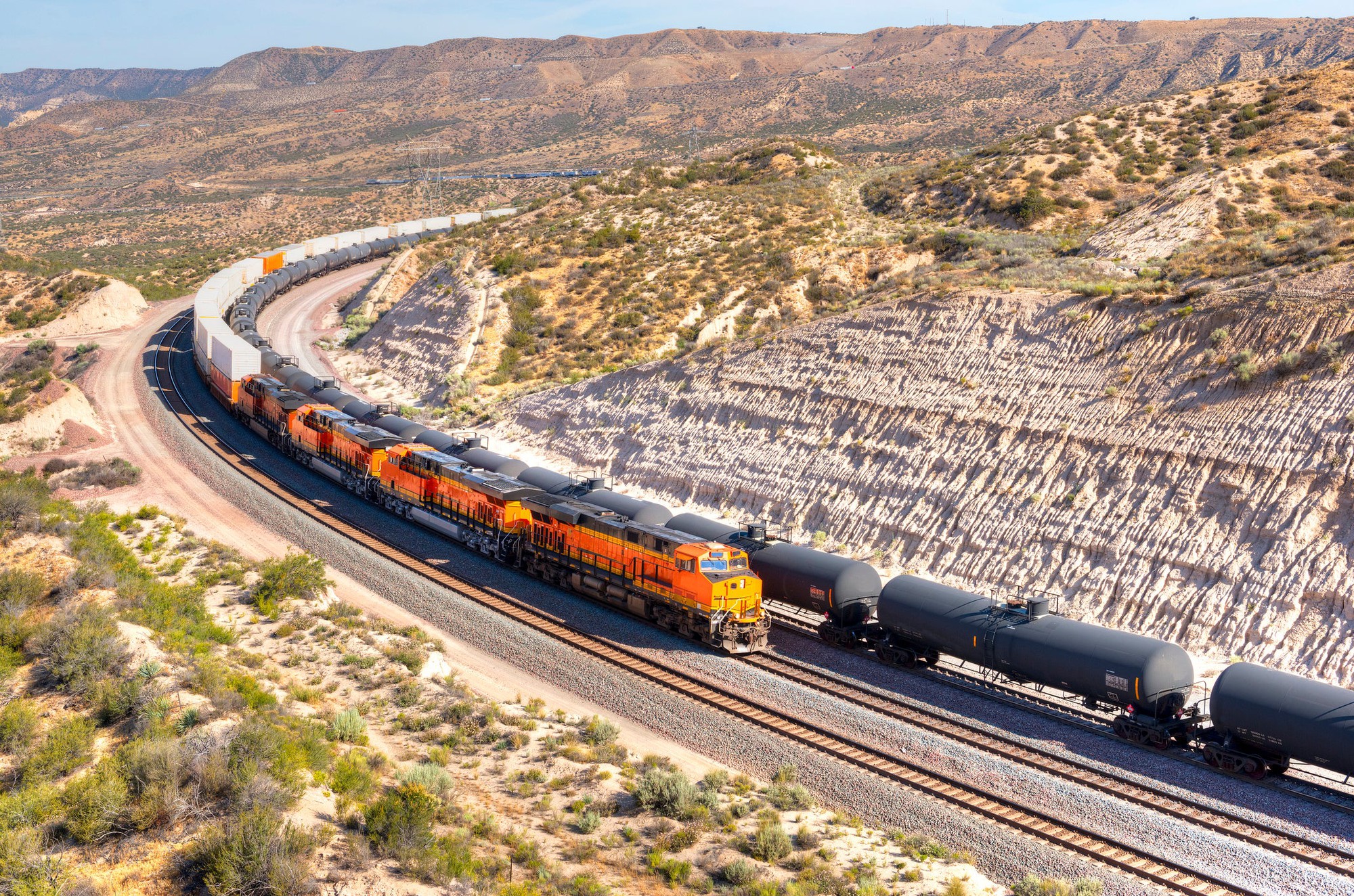
This railroad operator could be a dividend dynamo for a decade and beyond. Image source: Getty Images.
Union Pacific keeps chugging along
Investors new to Union Pacific should note that the company is pursuing a merger with rival Norfolk Southern (NSC +0.65%). Since that deal was announced in July 2025, there's been speculation that federal regulators may bow to bipartisan political pressure and apply significant scrutiny to the deal. On the other hand, it's believed the current makeup of the Federal Trade Commission (FTC) is conducive to large-scale mergers and acquisitions, so it's possible this railroad marriage happens.
For Union Pacific shareholders, the good news is that the company is arguably in a win-win position. The prevailing wisdom on Wall Street is that Union Pacific is just fine on a stand-alone basis. If the relationship with Norfolk Southern reaches the altar, the combined company would add $2.75 billion in earnings before interest, taxes, depreciation, and amortization (EBITDA) through new revenue and cost savings. Combined free cash flow could surge from $7.3 billion to $12 billion in 2029.
Those are compelling numbers, but again, Union Pacific can thrive on its own. It already is. This railroad operator has some of the best operating margins in the industry. Union Pacific is so margin-efficient that it has a sizable lead over rival BNSF on that metric, widely considered one of Warren Buffett's crown jewels.
UNP Union Pacific
NYSE · As of 4:00 PM ET 10/20/26

As in any other industry, margins matter in the railroad space. An operator adept with margins, such as Union Pacific, gains pricing power, capital needed for reinvestment, and the ability to bolster its network. Each of those is valuable to investors who want to be engaged with railroad stocks for extended holding periods.
Pricing power and durable margins are often hallmarks of wide-moat companies, likely explaining some or most of Buffett's attraction to BNSF. Union Pacific has those advantages, too, and its moat is further supported by the fact that it's unlikely new competitors will emerge to threaten the six incumbent North American Class I railroad operators.
Dividend dependability
If there's one way transportation companies make names for themselves, it's by being dependable. The same is true of dividend stocks. Union Pacific has paid a dividend for 126 years without interruption, and it's on a 19-year streak of increasing that payout.
Remember, that's occurred without Norfolk Southern in the fold. If Union Pacific merges with its rival and delivers on the aforementioned free-cash-flow forecasts, the dividend increase streak could extend for years, rewarding investors seeking an above-average yield name to hold for a decade or longer.
Yes, market participants are right to apply scrutiny here, because operating a railroad is a capital-intensive business, as reflected by Union Pacific's $32 billion in debt at the end of last year. However, analysts view the leverage ratios as tolerable, while praising the company's free-cash-flow generation and overall balance sheet health.