Shares of memory interface product and IP company Rambus (RMBS +5.45%) plunged on Tuesday, falling 21.2% as of 2:00 p.m. EDT.
Rambus designs products and licenses IP for memory interfaces that help secure and transfer data between memory and processors at high speeds. As such, one would think its business would be booming right now.
Rambus did, in fact, report solid first-quarter earnings last night; however, it apparently wasn't good enough for investors, who had bid up the stock heading into the print. Moreover, a Wall Street analyst downgraded shares today due to memory shortages expected to increase in late 2026 and 2027.
RMBS Rambus
NASDAQ · As of 4:00 PM ET 10/26/26

Rambus results weren't enough to justify the recent stock boom
A 21% decline may seem harrowing, but it's less so after a huge run in the stock. At last week's high price of $158.40, Rambus had already run 72.4% higher on the year going into earnings, and was trading at roughly 48 times this year's upcoming earnings estimates. So, a "less-than-perfect" report was bound to give back some of that rally.
Rambus had run higher on booming demand for different kinds of DRAM memory. While high-bandwidth memory is in demand for AI training, other server DRAM types, such as DDR5 and MR-DIMM, which feed traditional CPUs, are also booming as AI agents proliferate.
Rambus' first quarter results were solid in that regard, with revenue up 8.1% to $180.2 million and adjusted (non-GAAP) earnings per share up 6.8% to $0.63. Forward guidance anticipates an acceleration in revenue, however, to roughly $200 million at the midpoint, suggesting a quarter-over-quarter growth rate of nearly 11%.
Still, that wasn't good enough for investors who had been hoping for bigger and better things, given the strong run many memory and AI chip companies have had this year.
Sell-side analysts at Baird added to the pessimism with a downgrade of the stock from Outperform to Neutral, while maintaining a $120 target price. Analyst Tristan Guerra suggested that Baird could be harmed by severe memory shortages later this year. Whereas memory companies and some chipmakers can charge higher prices amid a shortage to make up for lost units, Rambus' business is less able to raise prices, and is more leveraged to total units sold. "Rambus is the classic case of a unit-driven top-line impacted at times of severe memory shortages without the benefit of higher pricing," he wrote.
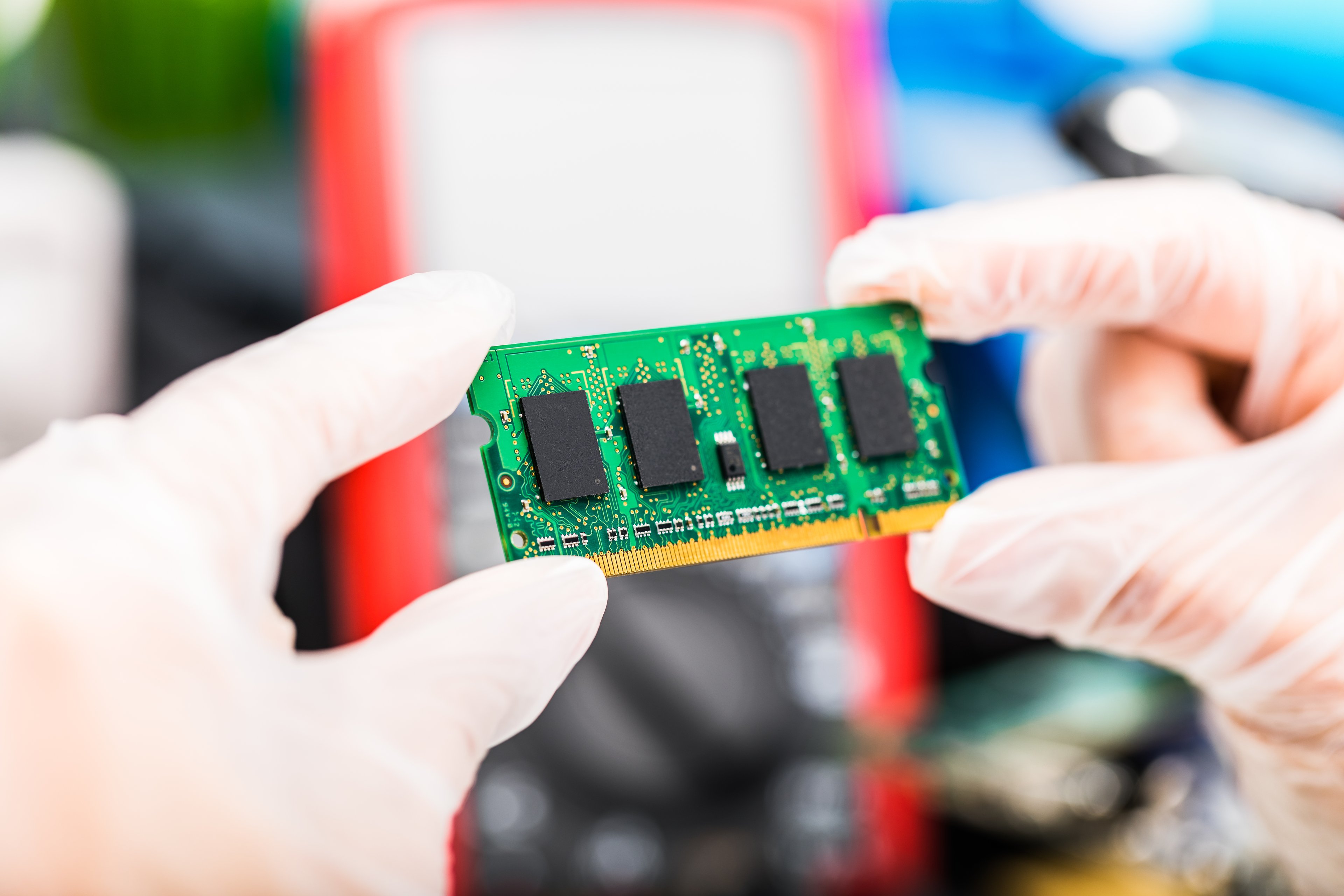
Image source: Getty Images.
Rambus is more attractive now
Although supply shortages may curtail this year's and next year's results, this is obviously a much better problem to have than a lack of demand. As such, Rambus stock may be worth a look for investors looking to play the memory boom but who feel the current winners might have gotten overvalued.
While shares aren't necessarily "cheap" at around 38 times this year's earnings estimates, Rambus should benefit from increased deployments of agentic AI going forward.