The Strait of Hormuz closure by Iran and U.S. Navy blockade is having a significant impact on the global oil market. The world has lost about 1 billion barrels of oil supply since the war started. The global economy is offsetting this disruption by tapping emergency stockpiles and reducing demand.
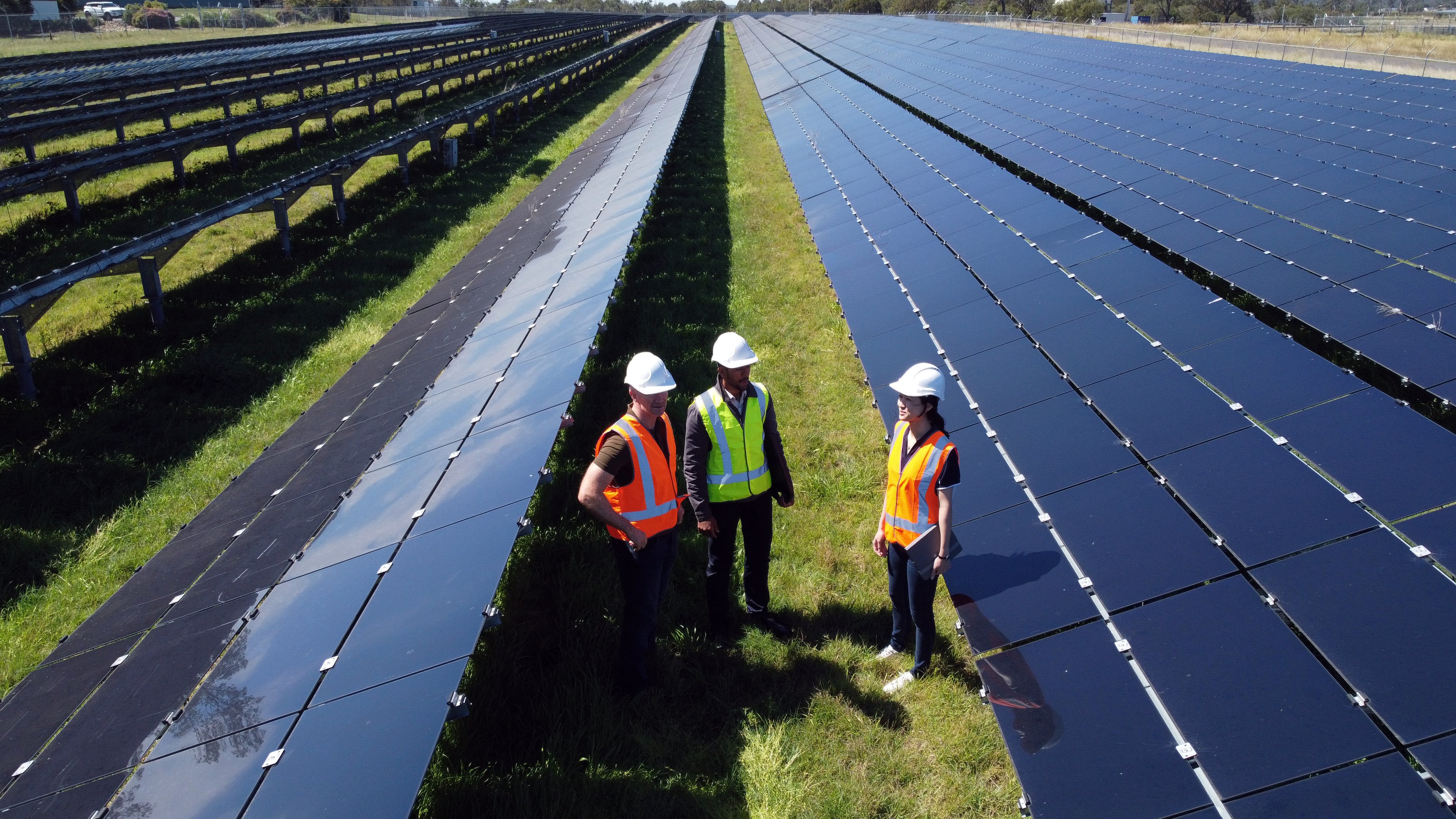
Some of that oil demand might never recover as the world switches to alternative energy sources, including renewables, nuclear, and coal. Here's a look at the case for investing in these alternative energy sources.
Image source: Getty Images.
The risk of permanent demand destruction
The Strait of Hormuz closure has disrupted up to 13 million barrels per day of oil supply and 20% of global liquefied natural gas (LNG) trade. The world is offsetting much of the oil supply shortfall by tapping into emergency stockpiles at a record pace of 11 million to 12 million barrels per day, while U.S. LNG exporters are helping fill in most of the LNG supply gap. However, these sources can't fill the gap forever.
We're already seeing some demand destruction, particularly in Asia. Japan, South Korea, China, and India are increasingly relying on coal-fired power generation amid surging LNG prices due to supply constraints. Additionally, countries are looking to accelerate the adoption of electric vehicles powered by renewable and nuclear energy to reduce future oil demand. This switch to alternatives could cause some permanent demand destruction for oil and LNG.
How to invest in the switch
Coal producers will likely see an uptick in export demand this year. For example, Alliance Resource Partners (ARLP 2.00%) noted in its first quarter report that "During the quarter, the Iran conflict briefly reopened U.S. thermal coal export activity in early March." That enabled Alliance to secure contracts to deliver 1.8 million tons of coal in 2026 and 2027. The company has now sold more than 95% of its 2026 capacity. If supply disruptions continue, it could receive additional commitments for its remaining capacity for 2026 and 2027.

NYSE: BEPC
Key Data Points
While coal is providing customers with a near-term solution to the LNG supply shortage, renewable energy and nuclear would help lessen the impact of a future supply disruption by reducing a country's long-term oil and LNG demand. One company offering exposure to both markets is Brookfield Renewable (BEP 1.05%)(BEPC 1.27%). It's a leading global renewable energy and sustainable solutions company. It has renewable energy operations across Asia-Pacific, including South Korea, China, India, and Japan. Additionally, Brookfield owns an interest in the leading global nuclear energy service company, Westinghouse Electric. It could see a near-term pickup in fast-to-deploy renewable energy developments in Asia and a longer-term growth tailwind from increased interest in nuclear power.
The war might permanently alter the global energy landscape
The war with Iran has caused a massive upheaval in the global energy market. Countries are using up their emergency stockpiles, getting supplies from other exporters, and switching to alternative fuel sources. It's fueling higher coal demand today and could power greater demand for renewables and nuclear in the future, making now the time to consider investing in these oil and LNG alternatives.