Over the past decade, the electric vehicle (EV) market has grown rapidly as lower vehicle prices, improved charging infrastructure, and high gas prices drew in new customers. However, its growth is gradually cooling as governments rein in their EV subsidies; unpredictable tariffs, geopolitical conflicts, and supply chain constraints disrupt cross-border shipments; and inflation and elevated interest rates throttle consumer spending.
But from 2025 to 2030, Grand View Research expects the global EV market to grow at a 32.5% CAGR as cheaper, more power-efficient EVs enter the market. If you want to profit from that secular trend, you should buy these two oft-overlooked EV stocks -- BYD (BYDDY 0.64%) and QuantumScape (QS +5.80%) -- as the bulls look the other way.

Image source: Getty Images.
BYD
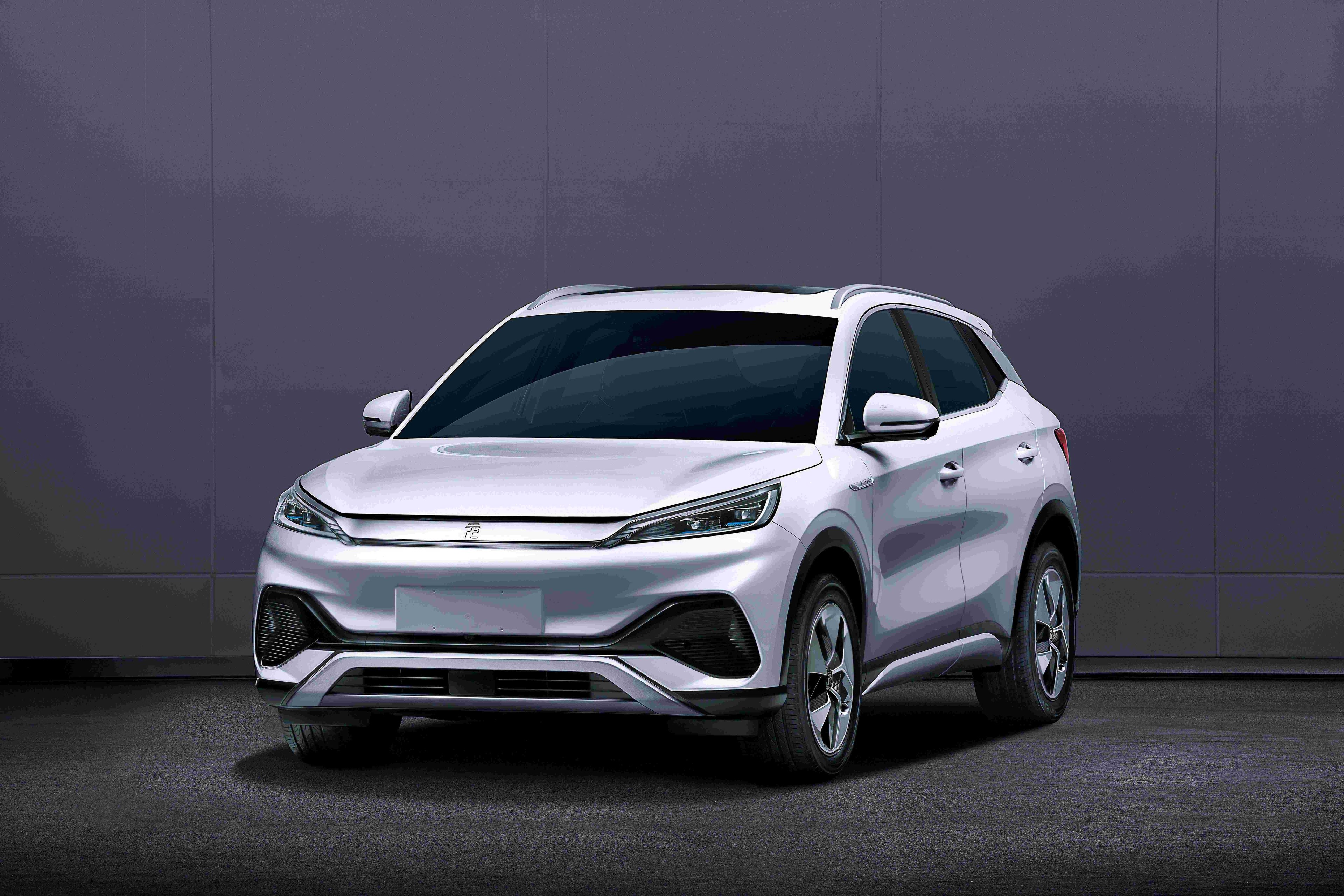
BYD, China's largest automaker, is also the world's largest EV maker. It was originally a battery maker before it evolved into a diversified automaker. Still, its growth didn't accelerate until it stopped producing gas-powered vehicles in 2022 to aggressively expand its EV business. It sells both plug-in hybrid EVs (PHEVs) and battery-powered EVs (BEVs).

OTC: BYDDY
Key Data Points
From 2022 to 2025, BYD's annual vehicle sales surged from 1.9 million units to 4.6 million units, its revenue rose from 424 billion yuan ($118 billion) to 804 billion yuan ($118 billion), and its net income nearly doubled from 17 billion yuan ($5 billion) to 33 billion yuan ($5 billion).
BYD stood out in China's crowded EV market by leveraging its experience as a battery maker and producing its own lithium iron phosphate (LFP) batteries, which were safer, cheaper, and more power-efficient than conventional lithium-ion batteries. It also expanded its first-party supply chain by producing its own motors, chips, and power electronics, and it unified its production lines with its e-Platform 3.0 architecture across multiple vehicles. That vertical integration boosted its gross margins as production increased, and its profits grew.
From 2025 to 2028, analysts expect BYD's revenue and net income to grow at 12% and 23% CAGRs, respectively. That expansion should be supported by overseas growth in Southeast Asia, Europe, and Latin America; new AI features for its mid-range vehicles; increased production capacity; and upgrades for its fast-charging network across China. That's an impressive outlook for a stock that trades at just 17 times next year's earnings.
QuantumScape
QuantumScape is a developer of solid-state lithium-metal batteries that provide better thermal stability, shorter charging times, and higher charging capacities than lithium-ion batteries.
Its QSE-5 battery, which it's been co-developing with Volkswagen (OTC:VWAP.Y) for more than a decade, has an energy density of 844 Wh/L (watt hours per liter) and can be quick-charged from 10% to 80% in under 15 minutes. Most lithium-ion batteries for EVs have an average energy density of 300-700 Wh/L and a fast-charging time of 20 minutes to an hour.

NASDAQ: QS
Key Data Points
QuantumScape initially planned to manufacture its own QSE-5 batteries through a joint venture with Volkswagen. In 2024, it abandoned its capital-intensive strategy and decided to license its technology to other battery makers to generate higher-margin royalties and licensing fees.
QuantumScape's batteries could make EVs much more efficient, but it hasn't commercialized any of its designs or generated any meaningful revenue yet. However, it's been upgrading its older Raptor separator process to its newer Cobra process over the past year to improve its cell reliability, productivity, and overall yields. That upgrade will enable QuantumScape to ramp up its production of higher-volume battery samples for Volkswagen and other automakers.
From 2026 to 2028, analysts expect QuantumScape's revenue to rise from nothing to $99 million as it finally licenses its first commercial QSE-5 batteries. With a market cap of $4.2 billion, it might seem overvalued at 42 times its 2028 sales. However, it could deserve that premium valuation if its solid-state batteries replace conventional lithium-ion batteries.