Few stocks have been as hot lately as Micron Technology (MU +2.46%). The memory maker is up nearly 700% over the last year (as of May 5), and its share price has soared above $600.
A high share price is often a precursor to a stock split. Companies split their stocks to lower their share prices, which can increase liquidity and make shares more accessible to retail investors. Micron has done this three times before, although its last split was more than 25 years ago in 2000. Let's see if another one could be on the horizon.
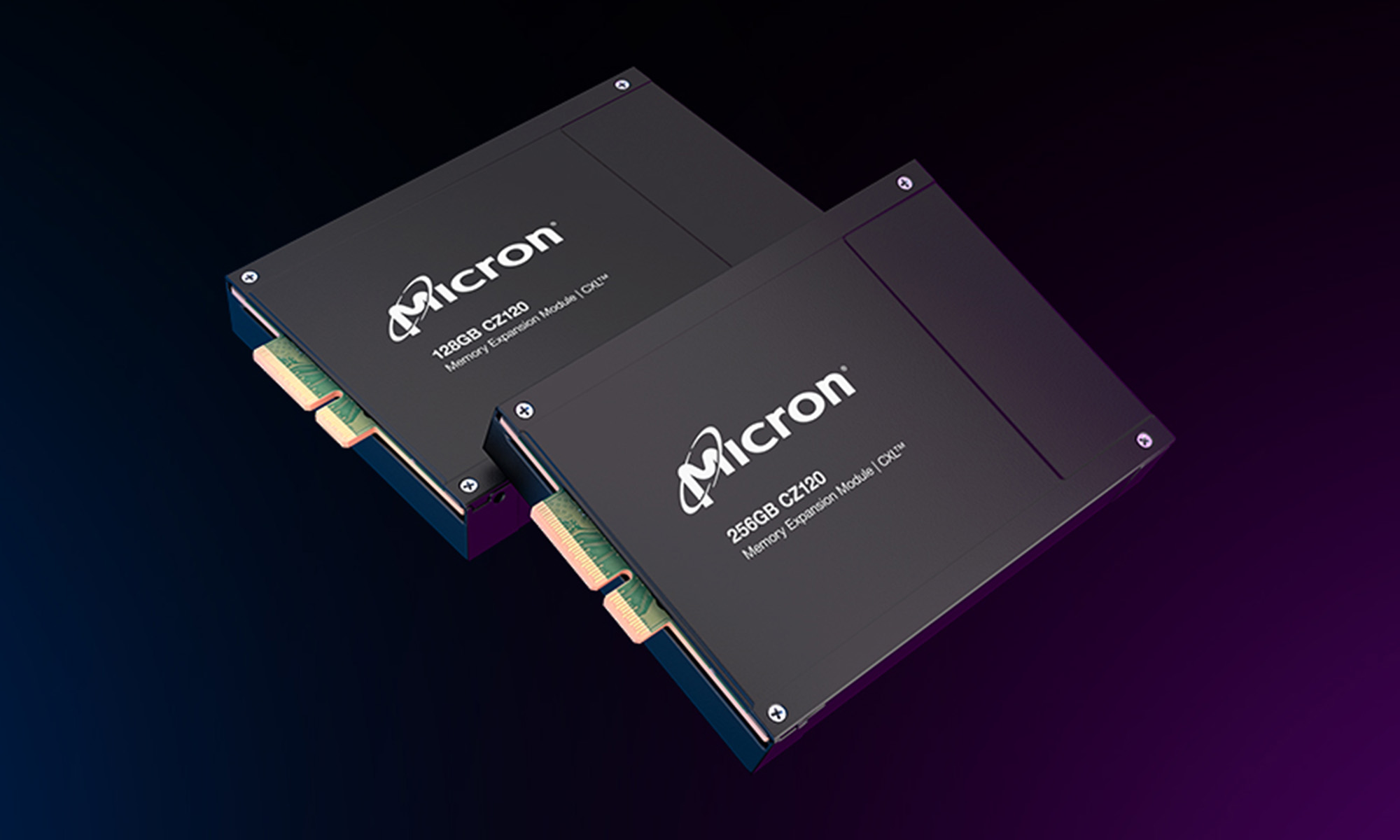
Image source: Micron Technology.
Memory demand has been a huge tailwind for Micron
Micron and other memory companies have traditionally been cyclical businesses that go through boom and bust periods. But the growth of artificial intelligence (AI) and its massive memory demands, particularly for high-bandwidth memory (HBM), have led to the biggest boom period yet.
MU Micron Technology
NASDAQ · As of 4:00 PM ET 10/23/26

In the second quarter of its 2026 fiscal year, Micron reported $23.9 billion in revenue. That was a 196% year-over-year increase, and Micron's fourth consecutive quarterly revenue record.
Equally important for Micron investors is that memory demand continues to grow. Last month, the company confirmed that its entire HBM4 supply for 2026 was sold out under binding contracts. Customers are also now signing three- to five-year supply agreements. This is a significant structural shift from the previous trend of quarterly or annual contracts, and it should smooth out the demand volatility Micron previously faced.
Despite Micron's recent growth, it's trading at only 11 times forward earnings, which is bargain territory compared to most AI stocks. If it continues to meet or exceed expectations, there's still plenty of growth potential left. The higher Micron's price goes, the more likely a stock split becomes -- but you shouldn't wait for that to happen if you're considering investing.
Is Micron about to split its stock?
I wouldn't be surprised to see Micron announce a stock split within the next year. The current share price is already expensive enough to potentially scare off some investors, and this is a company that could easily trade at over $800 by the end of 2026.
But a stock split doesn't change the value of the company or its shares. If Micron trades at $700 and conducts a 10-for-1 split, the only difference is that each $700 share would be divided into 10 new shares at $70 apiece. Stock splits also aren't a reliable indicator of whether a stock will increase or decrease in the future, according to research by The Motley Fool.
If you believe Micron will continue to grow -- and there's ample evidence to support the growth case -- then you should consider investing. A stock split just means you'll end up with more shares, but what really matters is the value of those shares.