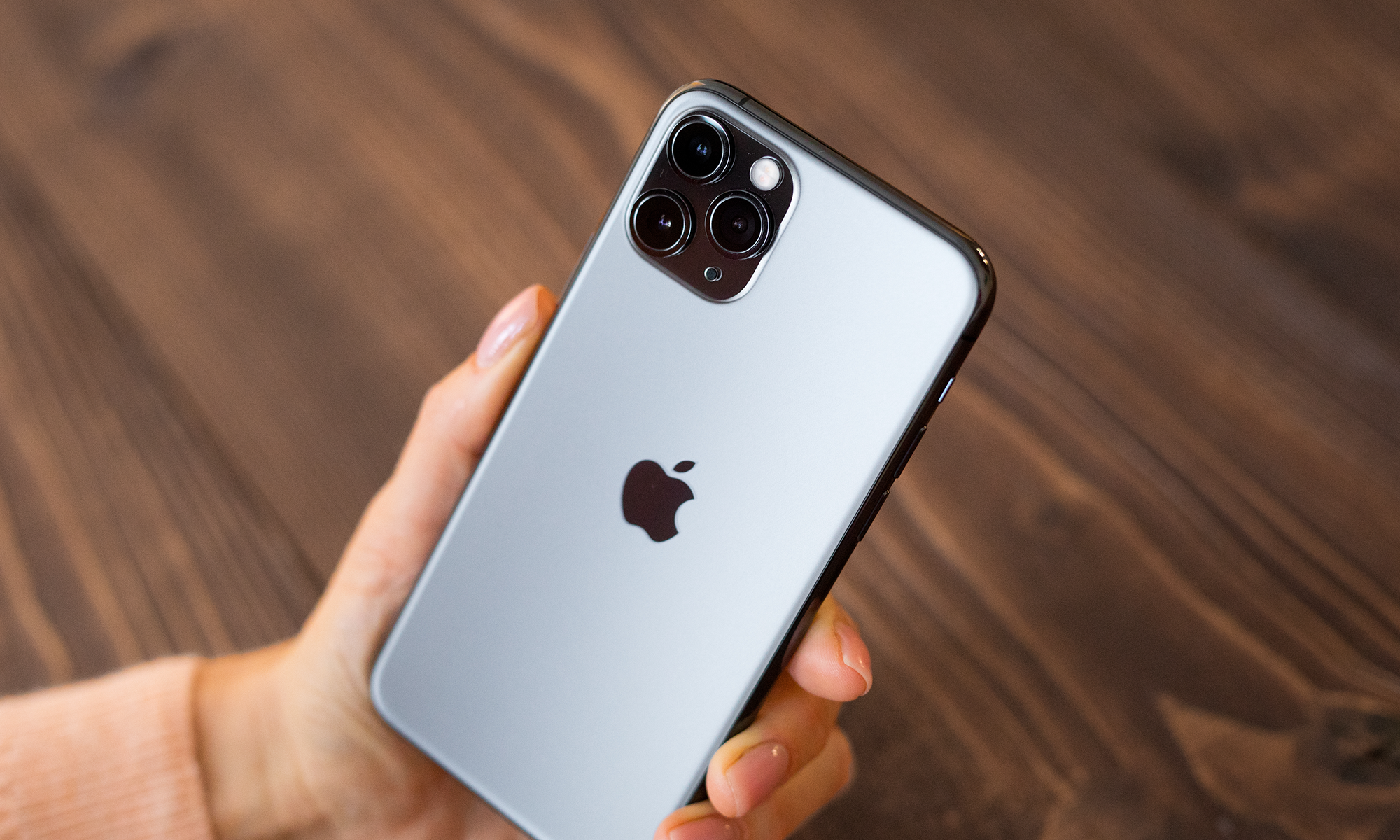
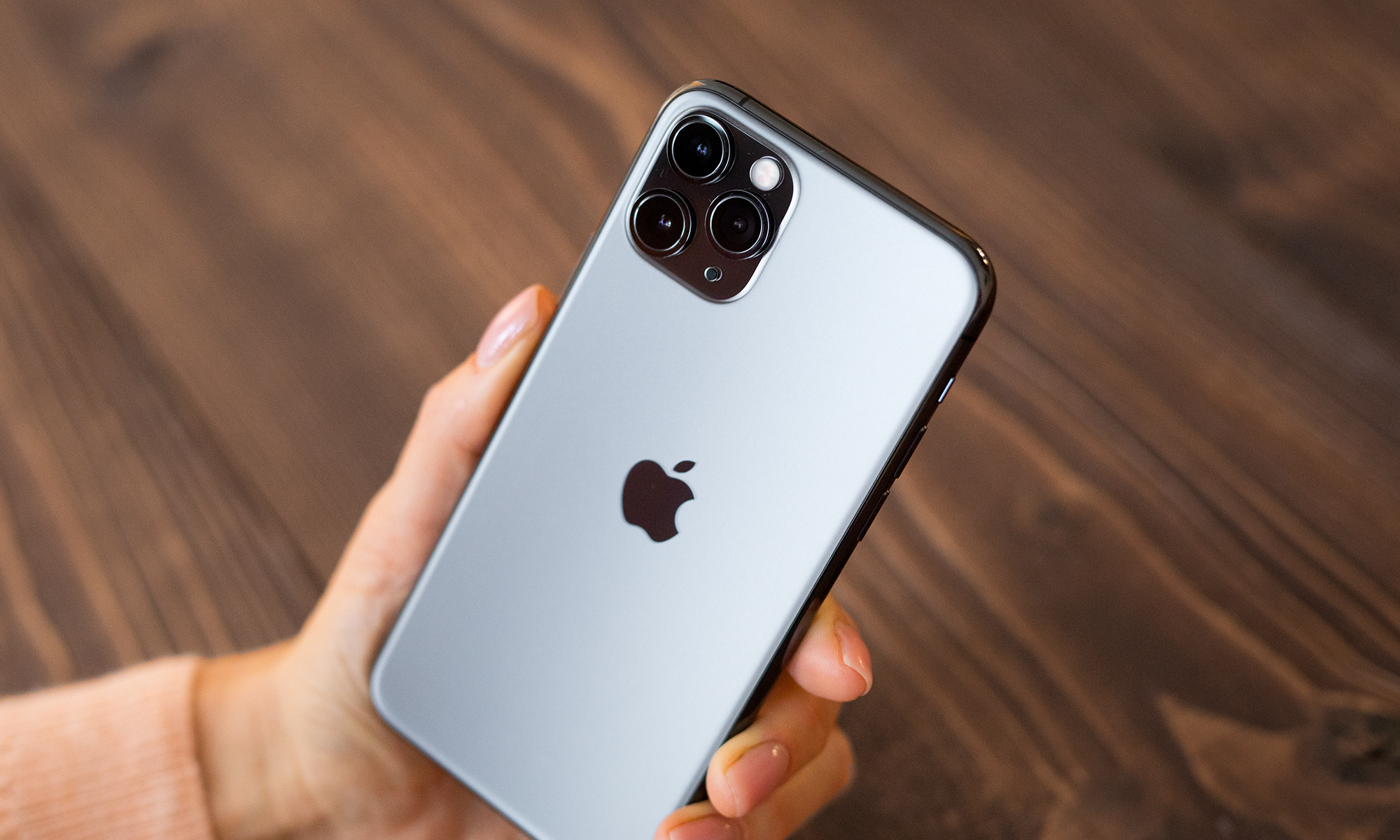
Apple (AAPL 0.76%) stock has been hitting new all-time highs recently, capping a remarkable rebound from a 52-week low of about $193. The tech giant's market capitalization has climbed to about $4.4 trillion as of this writing, and shares are up more than 40% over the past 12 months. With the stock sitting around $300, some investors may wonder whether shares can climb any higher.
But take a closer look at the iPhone maker's fundamentals, and the case for owning the stock for the long haul arguably still appears compelling. Revenue in Apple's fiscal second quarter of 2026 (the period ended March 28, 2026) rose 17% year over year to $111.2 billion, and earnings per share of $2.01 climbed 22%. CEO Tim Cook called the period the company's best March quarter ever, with double-digit revenue growth across every geographic segment.
It also helps that Apple remains a Warren Buffett favorite. Even after years of trimming, the iPhone maker is still Berkshire Hathaway's (BRKA 0.29%)(BRKB 0.53%) largest equity position, accounting for about 22% of the conglomerate's stock portfolio. And in a CNBC interview earlier this year, Buffett said he is "very happy to have it be our largest holding." In addition, Berkshire's new CEO, Greg Abel, seems fond of Apple as well, indicating in the conglomerate's annual report earlier this year that he views it as a core equity holding.
Here is a closer look at three long-term catalysts that could keep this Buffett favorite climbing over the next decade.
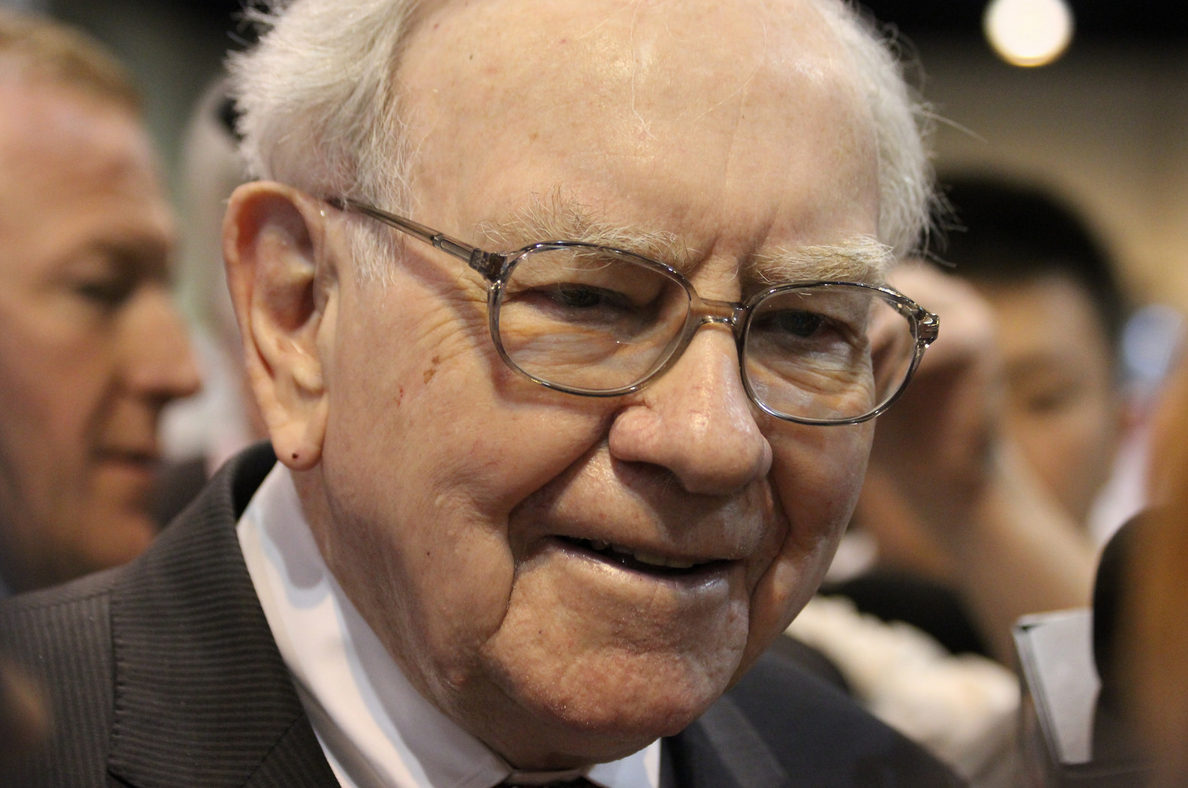
Warren Buffett. Image source: The Motley Fool.
1. The services flywheel keeps gaining speed
Services has quietly become Apple's most important growth engine, and the momentum continues to build. In fiscal Q2, services revenue hit an all-time record of nearly $31 billion -- up about 16% year over year and a clear acceleration from 14% growth in fiscal Q1. Showing how big this part of Apple's business is, the segment is now running at roughly a $124 billion annual revenue rate.
Just as important is the margin profile.
Apple's services gross margin sits around 75%, compared to roughly 38% for products. So when services grows faster than the rest of the business, as it has at times in the past, it pulls the company's overall margins higher.
Underpinning all of this is an installed base of more than 2.5 billion active devices, up from about 2.35 billion a year earlier. That base spans iPhone, iPad, Mac, Apple Watch, AirPods, and Apple TV, giving the company a uniquely sticky platform on which to layer subscriptions, App Store revenue, advertising, payments, and cloud services. As the installed base grows, the recurring revenue opportunity grows with it.
2. Apple Intelligence is fueling a big iPhone upgrade cycle
iPhone revenue in fiscal Q2 jumped 22% year over year to a March quarter record of $57 billion. This followed a 23% rise in iPhone revenue during fiscal Q1, when sales reached $85.3 billion. The driver is the iPhone 17 family, which management says is the most popular iPhone lineup in the company's history.
One catalyst for iPhone sales growth is Apple Intelligence, the company's on-device AI layer. Apple is also collaborating with Alphabet's Google to develop the next generation of its foundation models, and management plans to roll out a more personalized version of Siri later this year.
"From where we are seeing the growth, it is amazing," Cook said during the fiscal second-quarter earnings call. "We're seeing double-digit growth in the majority of the markets we track from the U.S. to Latin America to Greater China to Western Europe to India to Japan to Southeast Asia."
An AI-driven upgrade cycle could unfold over years. Older iPhones that aren't compatible with Apple Intelligence become natural upgrade candidates, creating a multi-year tailwind that may keep powering both hardware revenue and the high-margin services attached to each device.
3. An opportunity in India
The third major long-term catalyst is geographic. Apple is just beginning to scratch the surface in India, where rising middle-class incomes and lower iPhone penetration provide a long runway for growth.
On the same earnings call, Cook called India "a huge opportunity," noting that the country is "the second largest smartphone market in the world and the third largest PC market" but that Apple still holds "a modest share" there. Apple opened its sixth retail store in the country earlier this year and posted double-digit revenue growth across iPhone, Mac, and iPad in the region.
Further, Greater China, often viewed as Apple's biggest geographic risk, also grew sharply in fiscal Q2, with revenue rising 28% year over year to $20.5 billion.

NASDAQ: AAPL
Key Data Points
Even after the run-up, the stock looks like a buy
Of course, Apple shares aren't cheap after their huge move higher recently. With a price-to-earnings ratio of about 35 as of this writing, the market has clearly built in optimistic expectations. If iPhone growth cools or services growth meaningfully decelerates, shares could give back some of their recent gains.
Still, I think the three catalysts above -- a high-margin services flywheel, an AI-driven iPhone upgrade cycle, and a long runway in emerging markets -- make the stock a buy even at today's elevated price. Yes, the easy money may already be off the table after the recent rally. But for investors with a 10-year horizon, this Buffett favorite still looks like an attractive way to participate in the broader rollout of AI.