Stock prices started to decline as May drew to a close, but then quickly turned around and moved higher. At this point, the S&P 500 index (^GSPC +1.18%) is hovering near all-time highs. It could be that the old saying that the market climbs a wall of worry is being played out, or it could just be that investors aren't paying enough attention to the market's underlying risks.
What should you take away from the market's seemingly resilient performance in the face of uncertainty? For most investors, it is probably best to err on the side of caution right now. Here's why.
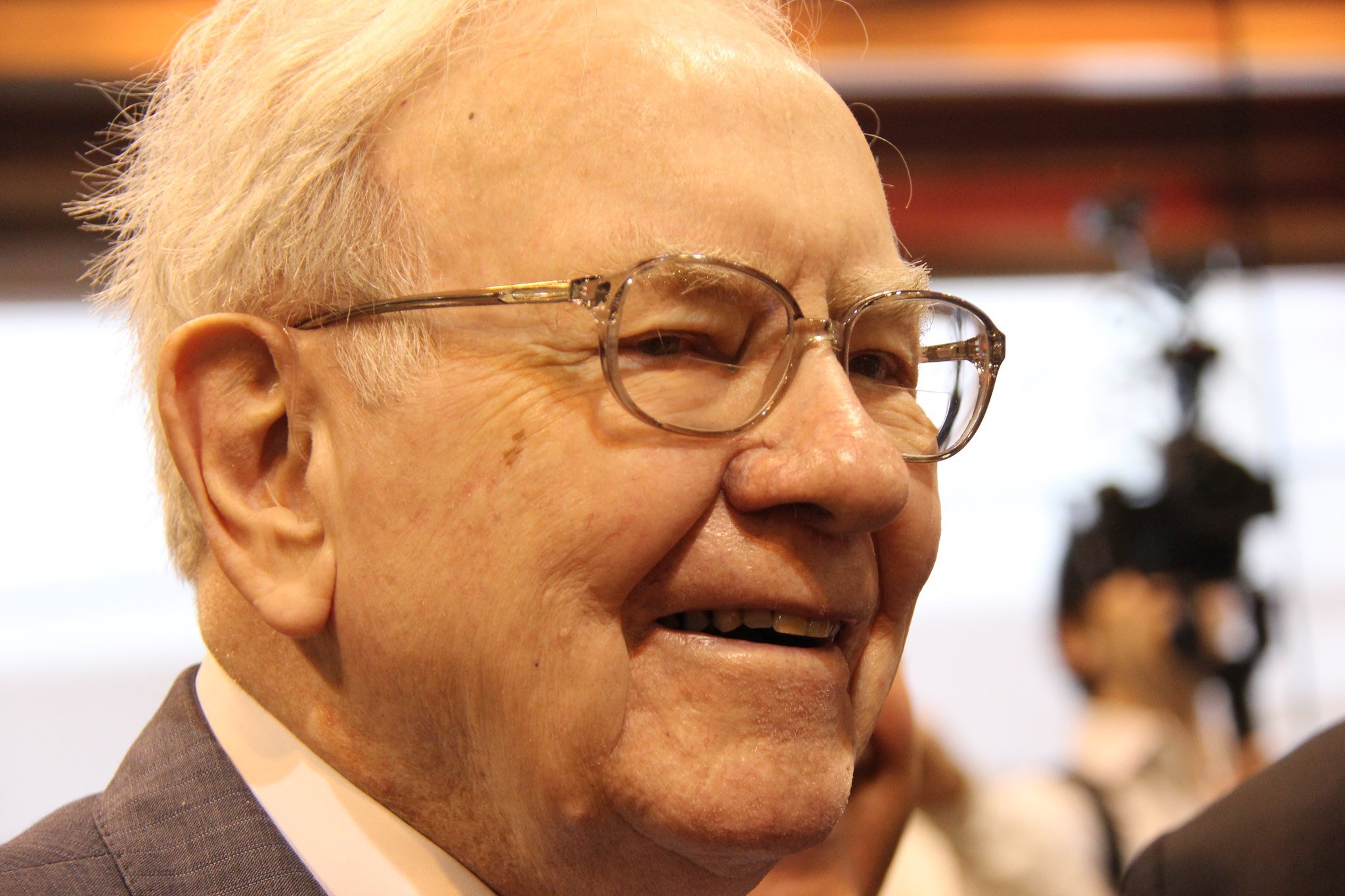
Image source: The Motley Fool.
The market is expensive
Vanguard S&P 500 Index ETF (VOO +1.60%) is a low-cost and easy way to buy the market. The S&P 500 index is well constructed, comprising roughly 500 large, economically important stocks. A market-cap-weighted approach means that the most important businesses are those driving the broader index's returns. Even Warren Buffett, the former CEO of Berkshire Hathaway (BRKA 0.29%)(BRKB 0.53%), has suggested it as a good choice for most investors. He's worth listening to, since his long-term investment success earned him the nickname the Oracle of Omaha.
But there's an interesting twist here that long-term investors should consider. Before Buffett retired at the end of 2025, he was letting cash pile up on Berkshire Hathaway's balance sheet. His successor, trained in Buffett's investment approach, has allowed the cash balance to grow even larger, reaching nearly $400 billion. Pretty clearly, both Buffett and successor Greg Abel aren't seeing anything exciting to buy in the market right now, which is usually the case when stocks are expensive.

NYSEMKT: VOO
Key Data Points
To back that view up, the S&P 500 index has a price-to-earnings ratio of 27.4x, while the index's average P/E is historically closer to 19x. That's particularly worrying given the world's current state of uncertainty.
Investors have a lot of concerns to digest
The list of concerns is long, but headlined by the geopolitical conflict in the Middle East. Investor emotions around news flow from the region have pushed the S&P 500 higher and lower in dramatic fashion. That is unlikely to change until the conflict has ended. Worse, the conflict has reduced the world's oil supply, driving up energy prices. Energy industry executives, such as Chevron (CVX 1.42%) CEO Mike Wirth, are warning that the market's aren't fully pricing in the supply disruption.
The problem is that investors are reacting to day-to-day developments in the conflict rather than the energy sector's underlying fundamentals. Oil is in short supply, and it will take months for the sector to return to normal, which can only happen after the conflict has ended. Until then, the world has to deal with elevated energy costs, pushing inflation even higher.

NYSE: BRKB
Key Data Points
There are legitimate concerns that elevated inflation could tip the world into a global recession. The financial strains on consumers are already easy to spot, with even strong performers like Walmart (WMT 0.93%) warning that its outlook is uncertain. If the world's largest retailer is worried about the economic situation and its impact on shoppers, you should probably be worried, too.
The final weeks of May are saying, "Be cautious."
There's no way to know what will happen next in the market. But uncertainty, economic concerns, and market valuation are high. This does not look like a great time for aggressive investment decisions. You might want to follow Berkshire Hathaway's lead and bide your time, perhaps letting cash accumulate. At some point, perhaps sooner than you expect, the market's valuation will be more attractive again.