For years, EV stocks were often thought of as climate change stocks. That is, their growth was largely driven by concerns and regulations that spurred the adoption of vehicles with low carbon emissions. This thesis is still credible, but there is a far more compelling reason to look at EV stocks today: the looming autonomous-driving revolution.
It seems that we've been promised self-driving cars for decades. But the next few years will really be different thanks to rapid advances in artificial intelligence (AI), which in turn help vehicles make nuanced decisions in highly variable environments, all in real time. In short, the immense data-crunching capabilities of AI are a perfect match for advancing self-driving features faster than ever before. On average, experts now believe that autonomous vehicles will be the norm across many parts of the world by 2030.
Companies that specialize in electric vehicles are particularly primed to benefit from the coming self-driving revolution. That's because the first autonomous vehicles won't be used for private cars but for robotaxi fleets. "[T]he global rollout of robo-taxis is now expected to become reality at a large scale in 2030," concludes a recent report by global consultancy McKinsey & Co. "Overall, experts expect that robotaxis will be the first commercial application...not privately owned cars."
EVs are far better suited for robotaxis. That's because, on average, EVs have lower lifetime maintenance and fuel operating costs and less frequent maintenance needs. They are also typically more equipped with advanced technology.
All this is attractive for potential robotaxi operators. And there are two EV stocks primed to benefit from the nascent robotaxi market -- one that some experts believe will eventually be worth $5 trillion to $10 trillion globally.

NASDAQ: TSLA
Key Data Points
Two EV stocks that should become robotaxi superstars
Buying the right EV stocks will give your portfolio direct exposure to the robotaxi market, which, while still in its infancy, should eventually become a multitrillion-dollar opportunity.
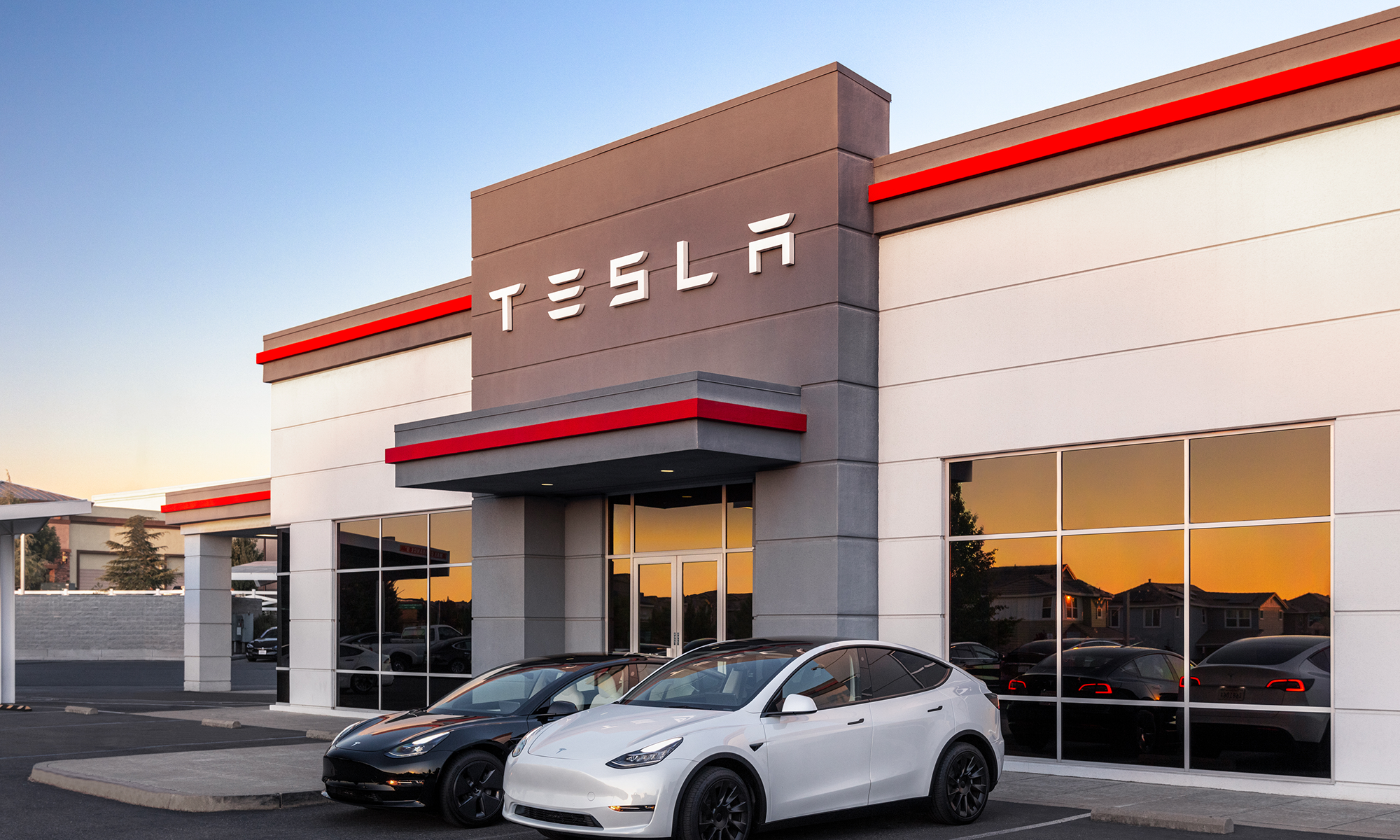
Tesla (TSLA -1.22%) is the obvious first choice here. Much of the company's current $1.3 trillion valuation is tied up in robotaxi growth potential. The company has invested aggressively in autonomy and AI for years, even taking a direct $2 billion stake in Elon Musk's AI venture, xAI, earlier this year.
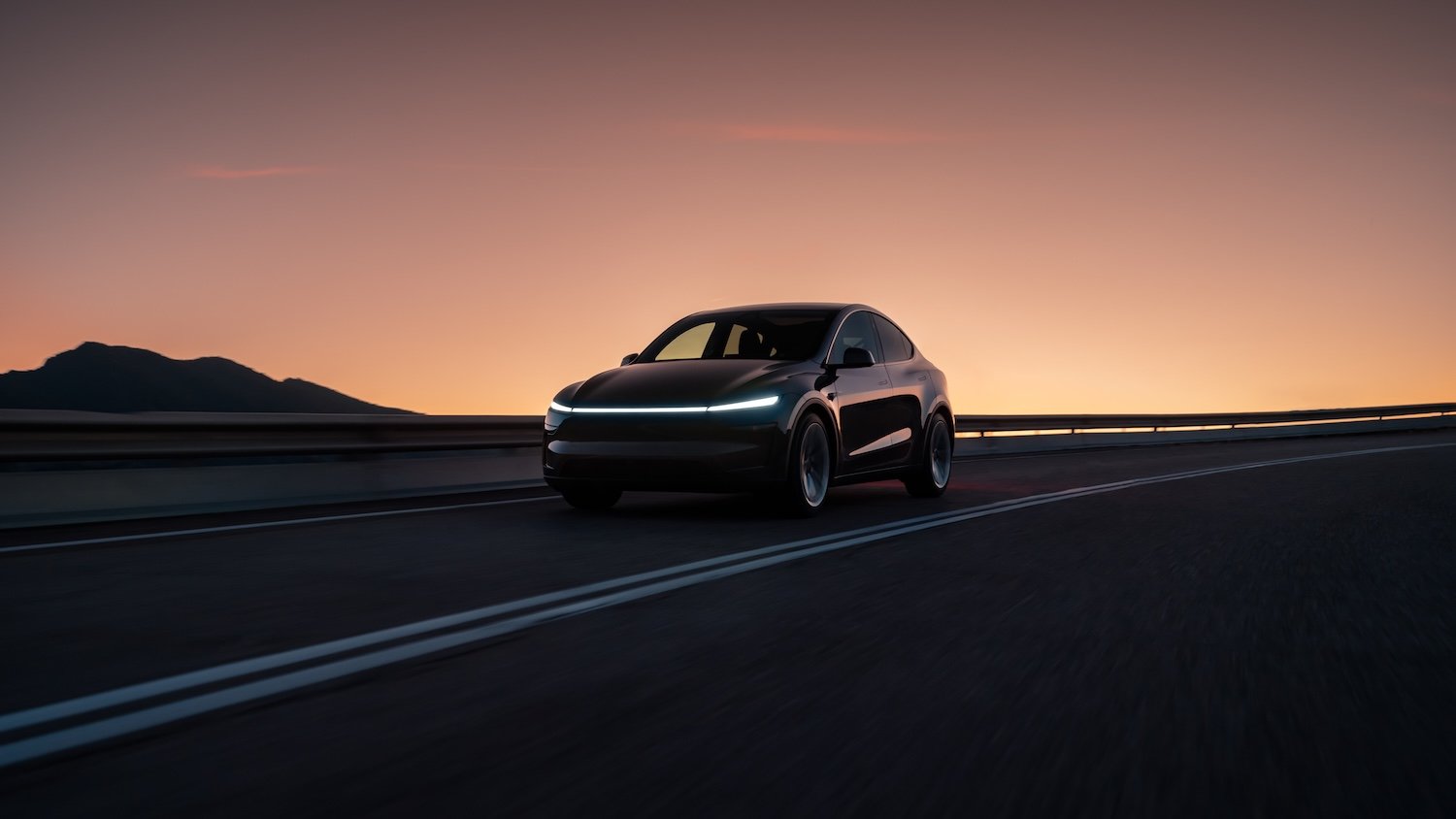
Tesla already has pilot robotaxi programs in several U.S. cities. Expansion is on the way. "We already have some vehicles operating with no people inside and no safety monitors in three cities in Texas and probably will be widespread in the U.S. by end of this year," Musk recently revealed.
With pilot programs already in place and the ability to produce its own vehicles -- an advantage not all robotaxi upstarts have -- Tesla is in pole position to take the robotaxi market by storm.

Image source: Tesla.
Rivian Automotive's (RIVN -3.01%) $18 billion valuation may give it more upside potential than Tesla, even though it doesn't share all of that company's competitive advantages.
Like Tesla, Rivian produces its own vehicles. This year, the company expects to begin scaling production of its new R2 SUV -- its first model priced under $50,000. Packed with technology, robotaxi operators are already interested in building out their own fleets using Rivian vehicles. Earlier this year, Uber Technologies agreed to invest up to $1.25 billion into Rivian in exchange for up to 50,000 R2s.
Rivian doesn't have Tesla's fully scaled production capacity, nor does it have access to capital or the unilateral ability to launch its own robotaxi division. But the company's deal with Uber strongly indicates it will be a serious player in supplying the robotaxi industry with the vehicles it needs to operate.