Agentic artificial intelligence (AI) is the next evolution of AI, and with it will come another big opportunity in the chip space. Instead of graphics processing units (GPUs), though, the chips leading the charge in the agentic AI race are central processing units (CPUs).
CPUs act like the brain of the computer, and more will be needed to handle the sequential reasoning and tools required to manage AI agents. While AI training typically has an 8-to-1 GPU-to-CPU ratio, with agentic AI, the ratio moves to 1-to-1.
Now, the opportunity isn't as big as the one for GPUs, as CPUs cost about a tenth of the price, but it is still sizable, and the average selling price of CPUs should be on the rise as agentic AI works best with high-performance CPUs with high core counts, which work like individual workstations. The higher the core count, the pricier the CPU. Meanwhile, the market has been estimated to rise to as much as $200 billion in the coming years.
Let's look at four semiconductor stocks set to benefit from this trend.
Image source: Getty Images.
AMD: Taking share
Advanced Micro Devices (AMD +3.42%) is arguably the current leader in the data center CPU space, having consistently taken share away from rival Intel (INTC +2.64%), including in the first quarter. The company is also at the cutting edge of CPU technology, with its new Venice data center CPU the first to be manufactured using Taiwan Semiconductor Manufacturing's newest 2nm processing technology. It expects its server CPU revenue to grow by more than 70% in Q2, and is looking to capture more than 50% market share.

NASDAQ: AMD
Key Data Points
Together with some big recent GPU wins, AMD is set to see explosive growth in the coming years. Of the players in the CPU space, the stock would be my top choice.
Intel: The volume leader
The CPU market has long been Intel's bread and butter, and the sudden surge in demand for the chips has been a boon for a company that previously looked largely left out of the AI infrastructure boom. The company saw its data center and AI revenue climb 22% in Q1 on the back of strong CPU demand, and it is looking for another quarter of double-digit growth in this segment for Q2.

NASDAQ: INTC
Key Data Points
While Intel is riding the CPU wave, the company has continued to lose market share. However, with its own foundry and packaging business, the company could gain a supply advantage in a market where demand is currently outstripping supply.
Arm Holdings: The CPU upstart
Known for its semiconductor intellectual property (IP) and licensing model, Arm Holdings (ARM +2.71%) shocked investors when it announced that it would start designing its own data center CPUs, given the huge opportunity in the space. The company projected it could gain a 15% market share and generate $15 billion in CPU revenue and $25 billion in total revenue by 2031, which would be a sixfold increase over the revenue it generated in 2025. Notably, that was assuming a $100 billion total addressable market, while Nvidia (NVDA +1.30%) recently projected server CPUs would be a $200 billion market opportunity.

NASDAQ: ARM
Key Data Points
Arm also still benefits from companies using its IP for custom CPUs, including Amazon, Alphabet, and Nvidia. Its CPU architecture is notably well suited for agentic AI, given its high core counts and power efficiency.
Nvidia: The ecosystem edge
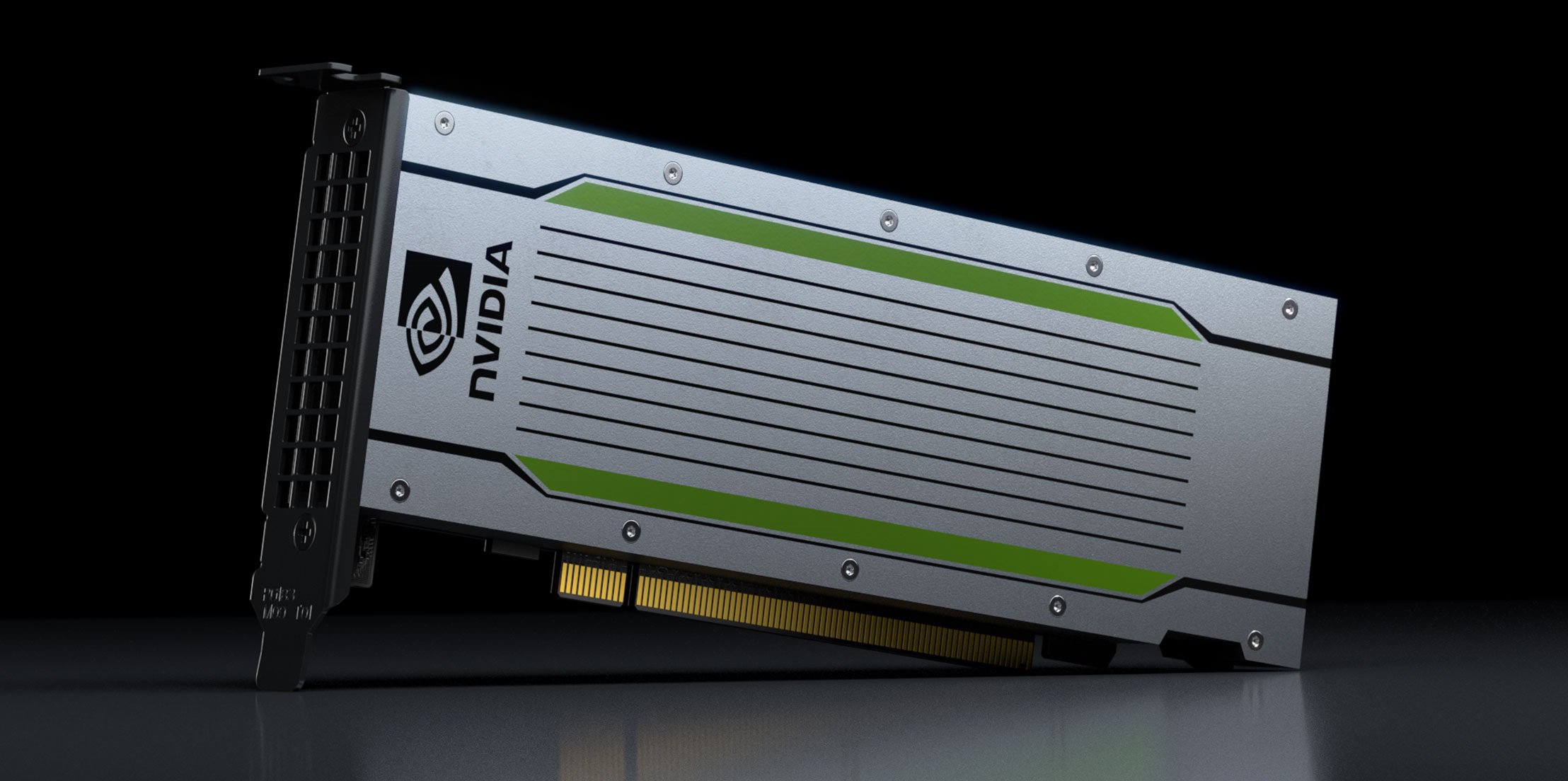
While it's already the clear-cut GPU leader, Nvidia is also making a big push into the data center CPU market with its Arm-based Vera Rubin CPU platform. The company recently published solid performance specs compared to competing CPUs, although, notably, the AMD chip it compared against was nearly two years old and not its new Venice chip, which has entered mass production and will be released in the second half.
That said, the company's dominant position in the GPU market and it now offering complete server racks for specific AI tasks, including inference and agentic AI, will likely make it a major player in this market. However, this stock will still be driven more by its GPU opportunity than by its CPU one.