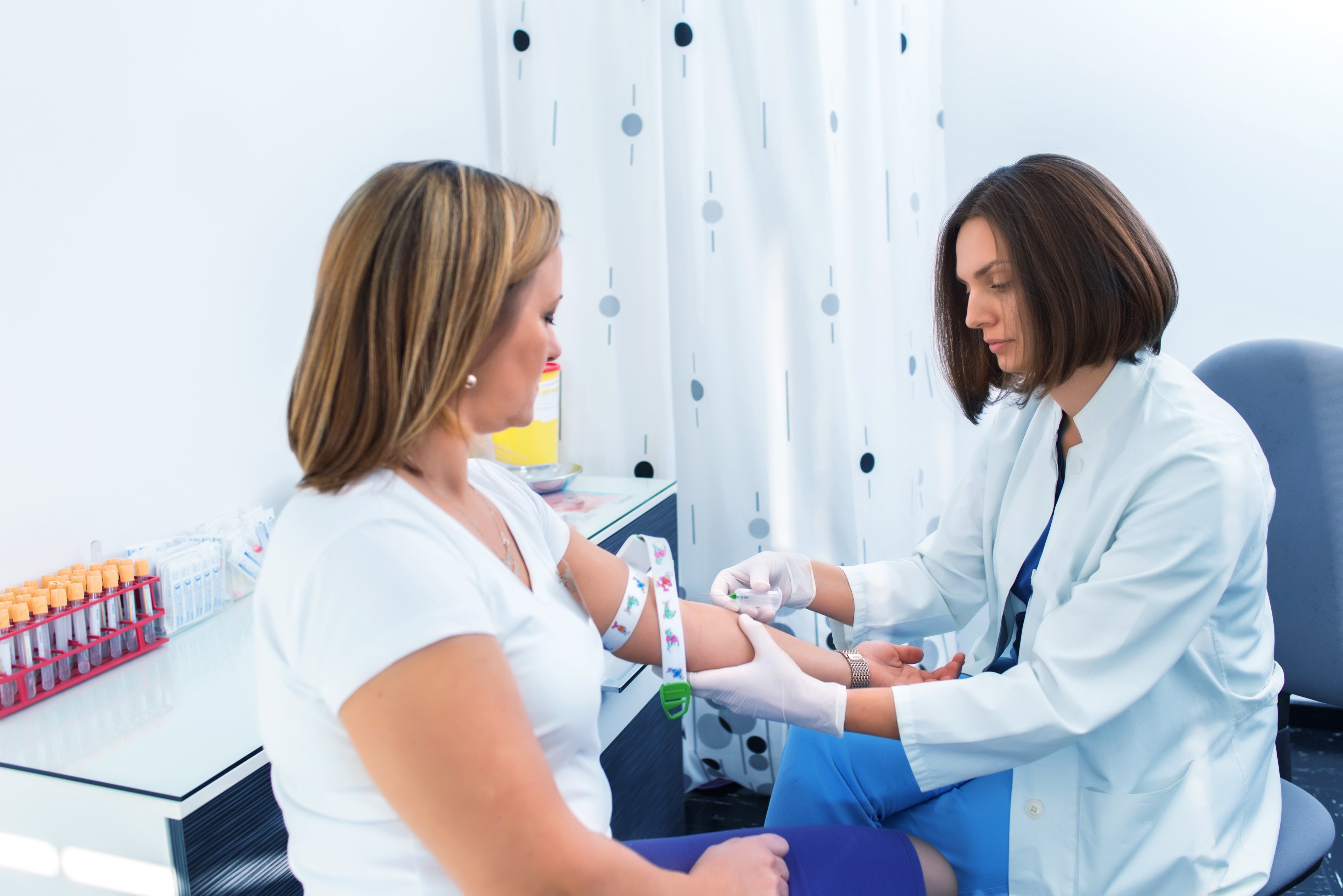
Ask some people about Grail (GRAL +6.01%), and a Monty Python movie will probably come to mind. The innovative pioneer of liquid biopsies (blood tests that can detect cancer) continues to fly under the radar screen for many investors.
That's understandable to some extent. After all, Grail is almost a small-cap stock, with a market cap hovering around $2.6 billion. It's easy to ignore or overlook. But could Grail be a sleeper stock everyone's about to notice?
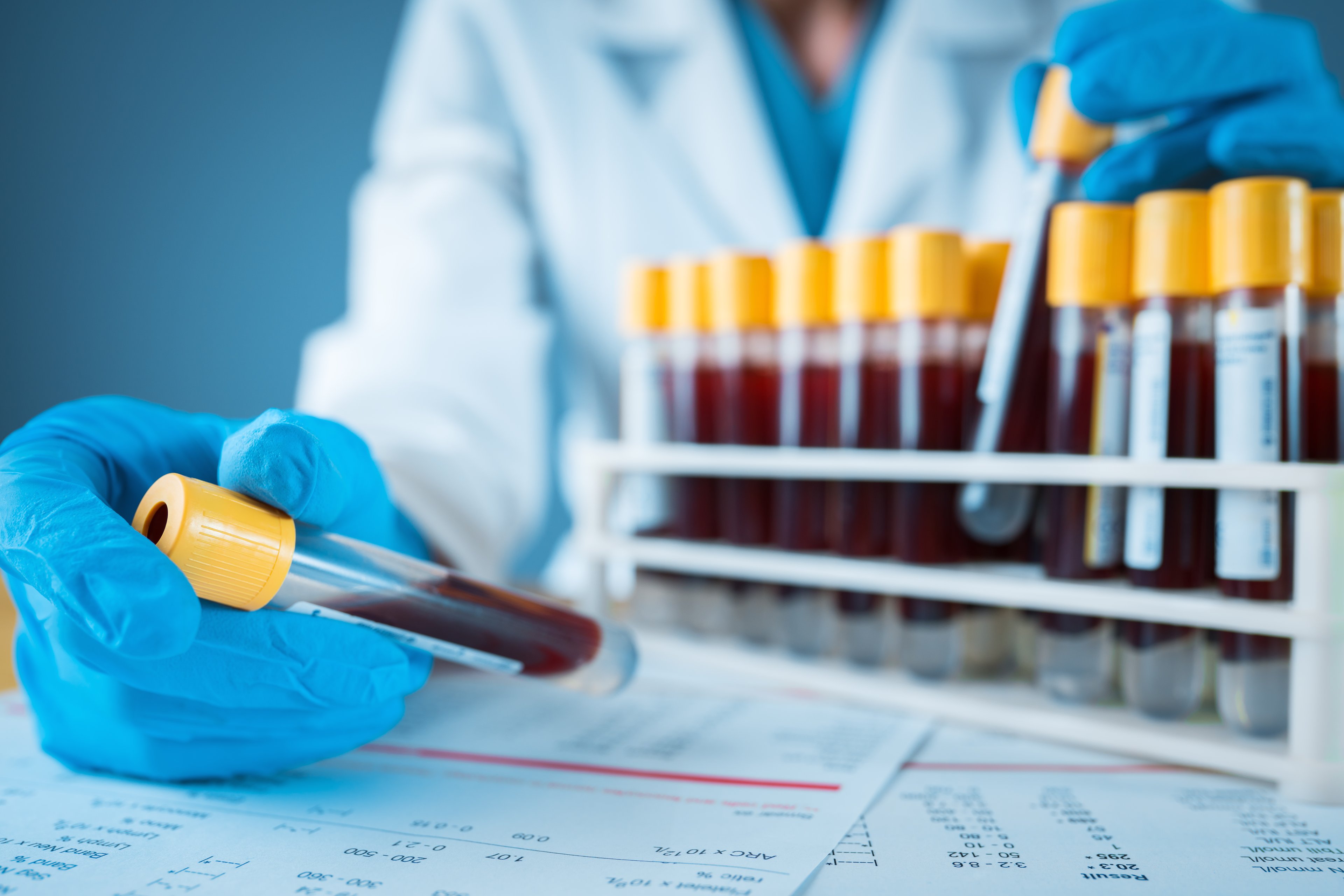
Image source: Getty Images.
A leader in a potentially enormous market
One problem for Grail is that some lump it into the same category as other genomics stocks that focus on prenatal screening. This group has become increasingly crowded. However, Grail is different -- and it has a massive opportunity.
Originally a part of DNA sequencing giant Illumina (ILMN +5.14%), Grail is laser-focused on early cancer detection. The company markets Galleri, a multi-cancer early detection (MCED) test that screens for more than 50 cancer types. Some of those cancers don't currently have screening options, such as ovarian, pancreatic, and liver/bile duct cancers.
So far, Galleri is the only MCED test clinically proven to increase early stage cancer detection and reduce late-stage diagnoses. It has a low false-positive rate of 0.4% and a high cancer signal origin (CSO) accuracy of over 90%.
The ability to detect multiple types of cancer even before symptoms appear could save lives -- and reduce overall healthcare costs. Unsurprisingly, the market for liquid biopsy tests could explode over the next few years. One estimate pegs the potential market size at roughly $50 billion.
Why Grail is poised to attract investors' attention
Grail's shares have soared around 340% over the last five years. However, it's been a highly volatile ride, and the stock still hasn't been a breakout star for many investors. That could change in the not-too-distant future.

NASDAQ: GRAL
Key Data Points
One reason why is Grail's results from two major clinical studies presented at the 2026 American Society of Clinical Oncology (ASCO) Annual Meeting last month. The NHS Galleri 2 trial is the first randomized controlled study of an MCED test. The Pathfinder 2 trial is the largest interventional MCED study ever conducted in North America.
The results from these two studies were positive overall. Galleri helped achieve a reduction in stage IV diagnoses of 12 types of cancer by more than 20%. It detected 16% more stage I and stage II cancers. Four times as many cancers were detected with Galleri when added to the standard of care than with the standard of care alone. Roughly 6.5x cancers were detected when added to the U.S. Preventive Services Task Force-recommended A and B screenings.
For now, Galleri is commercially available in the U.S. only as a laboratory-developed test ordered by a physician. Most health insurance plans don't yet cover the test. However, Grail completed its submission to the U.S. Food and Drug Administration (FDA) in January 2026 for full approval.
Assuming Galleri wins FDA approval, insurers are likely to move quickly to reimburse the test. And thanks to the February 2026 enactment of the Nancy Gardner Sewell Medicare Multi-Cancer Early Detection Screening Coverage Act, Medicare can cover FDA-approved MCED tests.
High risk, potentially high reward
To be sure, Grail remains a high-risk proposition for investors. The company is unprofitable, posting a net loss of $93.2 million in the first quarter of 2026. While its ASCO presentation was favorable overall, the NHS trial missed its primary endpoint of reduction in combined stage III and stage IV cancers.
Grail also faces significant competition. Exact Sciences, now owned by Abbott Laboratories (ABT +1.13%), markets the Cancerguard MCED test. Guardant Health (GH +1.15%) markets Shield.
However, patient investors could reap tremendous rewards. If Grail wins FDA approval and payer reimbursements for Galleri, its share price could skyrocket. This cancer stock may not be a sleeper for much longer.