Most of the attention on Micron Technology (MU +2.46%) sits on high-bandwidth memory and the artificial intelligence data center boom. That story is real, but it hides a different shift in how the company sells its products -- a shift that could shape the next earnings report more than any single chip.
Micron is signing long-term supply agreements
In the first week of July, Micron announced two strategic customer agreements within six days of each other. A strategic customer agreement is, in plain terms, a promise from a buyer to keep buying.
On July 1, it signed a deal with General Motors to secure a long-term supply of memory for the automaker's next vehicle platforms. On July 6, Micron announced a similar pact with Ford Motor Company.
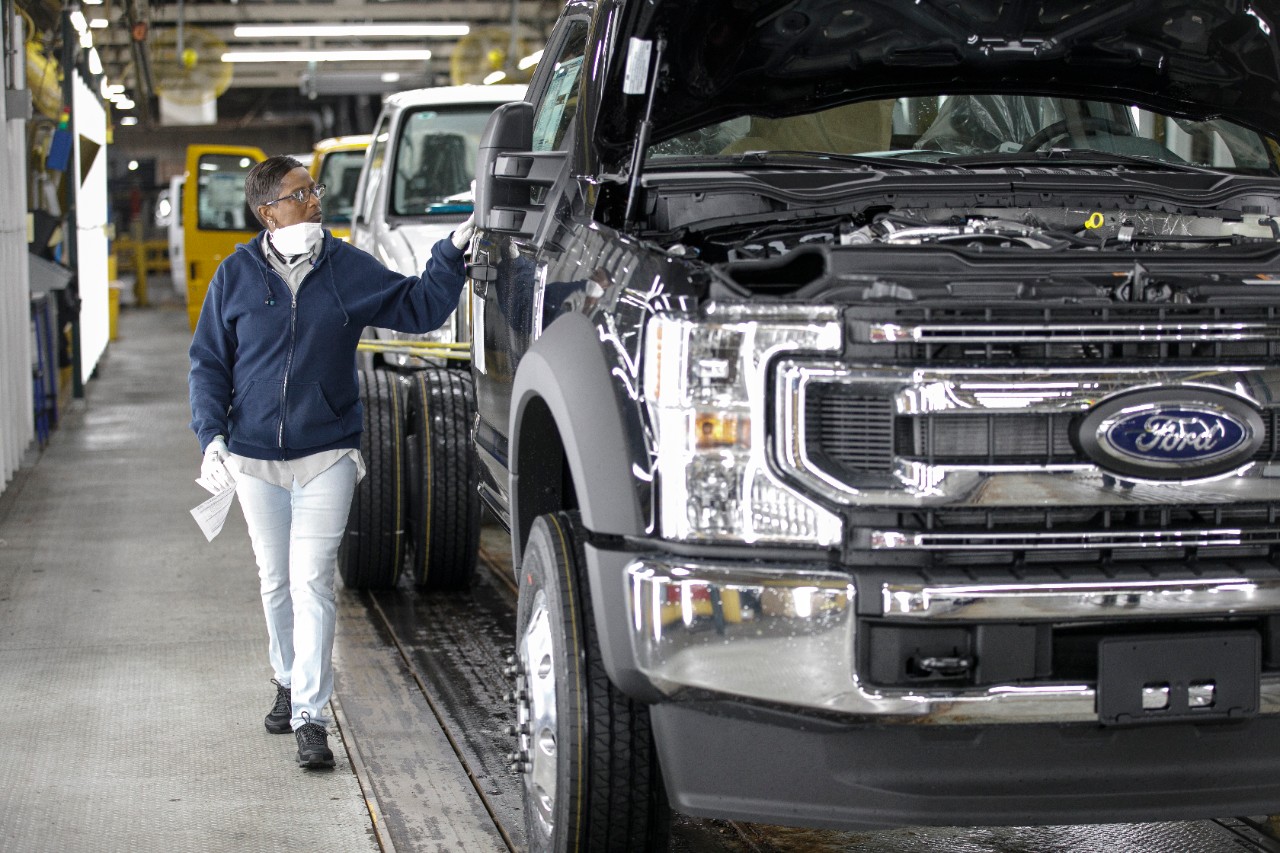
Image source: Getty Images.
Buried in both press releases is the detail that matters most. Each agreement is described as "one of the 16" discussed on Micron's fiscal third-quarter conference call. So the company has told investors it has a stack of these deals and has started revealing them one at a time. That drumbeat of announcements gives Micron a reason to stay in the news between now and its next report.
Why the automotive deals matter
These are not glamorous AI chips. General Motors is locking in a supply of LPDRAM, NOR, and UFS NAND -- the memory that runs in-cabin screens and driver-assistance systems. Cars carry the kind of memory once reserved for phones and servers, and each model can stay in production for years, so a single win can feed orders long after the deal is signed.
What makes the deals valuable is their shape: multiyear commitments tied to Micron's $2 billion modernization of its Manassas, Virginia, fab.
Memory has long been a boom-and-bust business, priced like a commodity. Contracts that pin down volume across a car's production life turn some of that swing into something closer to a backlog. For a company investors treat as a cyclical bet, contracted demand is a quiet form of insurance on an investment.
MU Micron Technology
NASDAQ · As of 4:00 PM ET 10/23/26

The risks investors should weigh
None of these agreements discloses price or volume, so the financial impact remains unknown until it shows up in the results. Auto production can soften, and a broad memory downturn would pressure margins. The stock has climbed a long way, which raises the bar for any surprise.
The catalyst is not a number. If Micron keeps converting that list of 16 agreements into signed deals before its fiscal fourth-quarter report, I think the market gets a running preview of demand that most cyclical suppliers cannot offer. Investors who own the stock or watch it should track the number of these agreements as a real-time signal ahead of earnings.