On Thursday, the Department of Defense awarded Oracle (ORCL +0.49%) a consolidated software agreement covering the entire U.S. military, the Coast Guard, and the intelligence community. The initial award is worth $3.31 billion over five years, and a second five-year option, if exercised, would carry the total to $6.99 billion.
On Friday, the stock fell 4.2%. Shares closed at $114.99 -- 24 cents above the 52-week low of $114.75 they had touched earlier in the same session.
A contract that size usually buys a company at least a good day. This one didn't buy an hour.
And the reason isn't that investors missed the announcement. It's that they have stopped pricing Oracle on the contracts it wins and started pricing it on what winning them costs. I think that shift is the most important thing to understand about this stock right now.
Image source: The Motley Fool.
What the Pentagon actually agreed to
The agreement is unusual in scope. Negotiated by the Department of the Navy under the Department of Defense's Enterprise Software Initiative, it is the first direct award covering the department's on-premises Oracle usage. It folds what had been a scatter of separate purchases across the services into a single contract, spanning perpetual and subscription licenses, maintenance, consulting, and software-as-a-service.
The department expects the consolidation to save taxpayers at least $441 million.
Which points at the part that matters for shareholders. Consolidating purchases is not the same as adding them. The Pentagon was already buying this software, and what changed is how it buys it -- fewer contracts, better visibility into the spending, and a smaller bill.
Considering the award against the context of the company, Friday's shrug makes more sense. A $6.99 billion ceiling spread across ten years works out to about $700 million a year. Oracle's fiscal 2026 revenue was $67.4 billion.
So even at the ceiling, the award is worth about 1% of a single year's sales. Of course, a ceiling is the best case and not the plan, so the actual figure is likely smaller.
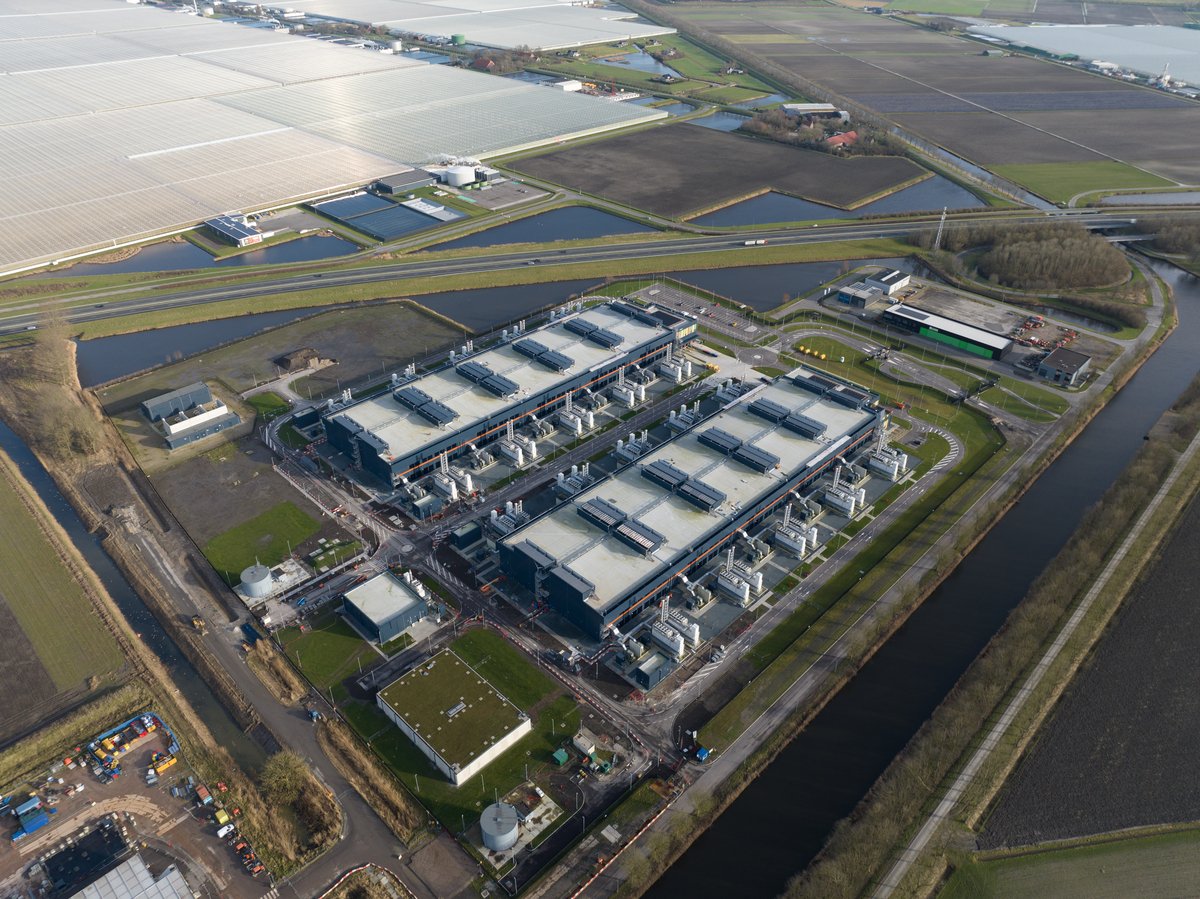
Further, Oracle spent $55.7 billion on capital expenditures in fiscal 2026. The entire 10-year contract ceiling comes to about an eighth of what the company spent on data centers in twelve months.
What the market is pricing instead
It's not surprising that Oracle investors are skittish. Its capital spending figure is up 162% year over year, from about $21 billion in fiscal 2025.
Sure, Oracle's operating cash flow rose to a record $32 billion in fiscal 2026 (the year ended May 31, 2026). But the build-out consumed all of it and then some, leaving free cash flow for the year at negative $23.7 billion.
And the financing bill has followed. S&P Global Ratings cut Oracle's credit rating to BBB- this month, one notch above junk status.
Even more, the company has said it expects to raise about $40 billion through debt and equity this fiscal year, including a share sale of about $20 billion that would dilute existing holders.
But demand has never been the problem here. Fiscal 2026 revenue rose 17% year over year to $67.4 billion, and revenue in the fiscal fourth quarter climbed 21% year over year -- so growth accelerated through the year instead of fading.
Remaining performance obligations, or Oracle's signed contract value that hasn't yet become revenue, finished fiscal 2026 at $638 billion after climbing $85 billion in the fiscal fourth quarter alone. Management has guided for about $90 billion of revenue this fiscal year, growth of about 34%, and for $8.05 in non-GAAP (adjusted) earnings per share.
At $114.99, that puts the stock at about 14 times the earnings management says it will produce this year. Against the 52-week high of $345.72, that same guidance implied more than 40 times. The market has cut what it will pay for Oracle's earnings by roughly two-thirds in a year, while the earnings themselves kept climbing.
ORCL Oracle
NYSE · As of 4:00 PM ET 10/23/26

Which is why I'd argue the Pentagon award changed very little. Against $638 billion of backlog, $7 billion of ceiling over a decade barely registers.
What would get me to consider buying Oracle stock isn't a bigger contract. It's the financing.
A company that plans to sell about $20 billion of stock, at $115 a share after those shares traded at $345, is not negotiating from strength. So I'd rather own it once that sale is behind it than in front of it. And if Oracle gets the raise done without another leg down, and capital spending flattens while cloud revenue keeps compounding, then 14 times guided earnings could look like an obvious mistake in hindsight.
Still, there are too many red flags for me to consider buying the stock here.