When it comes to mining stocks, all that glitters is not always gold. Sometimes it is copper.
Driven by accelerating electrification, power grid expansions, electric vehicles, and AI data center infrastructure, global copper supply has remained extremely tight. Realized copper prices have climbed significantly, directly boosting revenue and operating cash flows for Freeport-McMoRan (FCX +1.68%) and BHP Group (BHP +0.93%), two of the world's largest copper mining companies.
The two stocks are both up more than 36% so far this year, tripling the S&P 500's average return of roughly 12%. Here are three reasons why both mining companies remain good investments despite their higher valuations compared to most of their competitors.
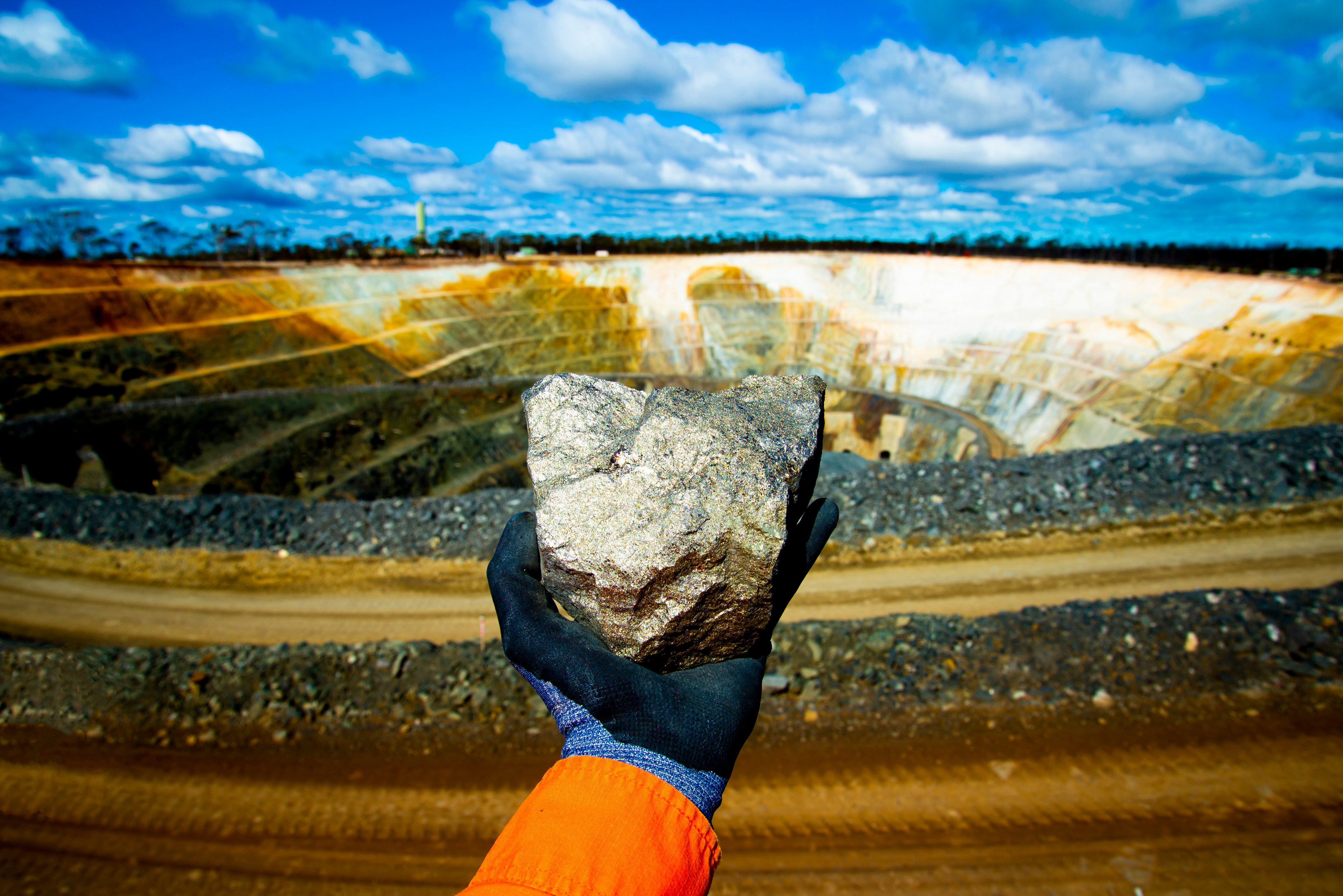
Image source: Getty Images.
They are two of the largest copper suppliers
Copper is essential to every major global energy transition initiative, from power distribution and renewable energy to electric vehicle (EV) charging and artificial intelligence (AI) hardware. Developing new primary copper mines now takes 10 to 15 years due to permitting, lower ore grades, and escalating capital costs.
These two companies are the two largest publicly traded copper producers in the world. Freeport is a pure-play primary copper producer, offering direct operating leverage from rising prices. In the second quarter, the Phoenix-based miner produced 786 million pounds of copper and sold 710 million pounds of the metal.
BHP is based in Melbourne, Australia. In its fiscal 2026, which ended June 30, it produced more than 2 million tons of copper for the second straight year, making it the world's largest copper producer. The company controls Tier-1 long-life copper assets, including the Escondida project in Chile, the world's largest copper mine. It continues expanding its copper pipeline to increase its revenue share from energy transition metals.

NYSE: BHP
Key Data Points
They're built to last with strong balance sheets
Freeport has prioritized share buybacks and low-capital brownfield expansion projects, such as improvements in leaching technology, to recover copper from existing waste piles. The company said that new applications, including data analytics and leaching processes, were responsible for 47 million pounds of copper in the quarter and 101 million pounds in the first six months of 2026.
Freeport said it realized sales of $6.17 per pound for copper, with average unit net cash costs of $1.97 per pound. The company has only $2.1 billion in net debt and $3.1 billion in cash.
BHP reported $58.8 billion in revenue in fiscal 2026, up 15%, and a 27% rise in underlying earnings to $32.9 billion, with copper contributing more than half of its earnings for the first time. Net debt fell to $8.7 billion from $12.9 billion a year earlier. It saw realized sales of copper increase by 35% to $5.74 per pound, and copper production costs decreased by 10% to $1.07 per pound.
They're shareholder-friendly
BHP has a stellar dividend that yields around 4% at its current share price. It has raised its dividend in the past two years. Freeport-McMoRan's dividend yields around 0.43% at its current share price, and it has remained unchanged since 2020. However, it returned $200 million through share repurchases in the first half of 2026, meaning that, including dividends, it returned $600 million to investors.

NYSE: FCX
Key Data Points
I like both stocks, but lean toward BHP
BHP has a better dividend and greater diversity, with revenue streams beyond pure copper, including low-cost iron ore and the upcoming Jansen potash project. This positions the company for long-term global food security trends alongside clean energy.
Freeport offers organic growth optionality through low-cost leaching technologies and large-scale, long-term North American copper development projects. It is more focused on copper, which can be a liability, but it also provides greater exposure to a metal that's expected to more than double in price by 2030.
While both miners face local regulatory scrutiny, BHP's copper production is heavily weighted toward premier, low-risk Tier-1 mining jurisdictions, principally Australia and Chile. A substantial portion of Freeport's long-term production and earnings relies on Indonesia, which faces greater political instability.