About the Author
The Motley Fool has a disclosure policy.
Invest better with The Motley Fool. Get stock recommendations, portfolio guidance, and more from The Motley Fool's premium services.

After the Sept. 11, 2001, attacks on New York City and Washington D.C., the U.S. government started issuing Patriot Bonds. If you're holding a Patriot Bond, here's exactly what it is, how to find out what it's worth, and how to cash it in.
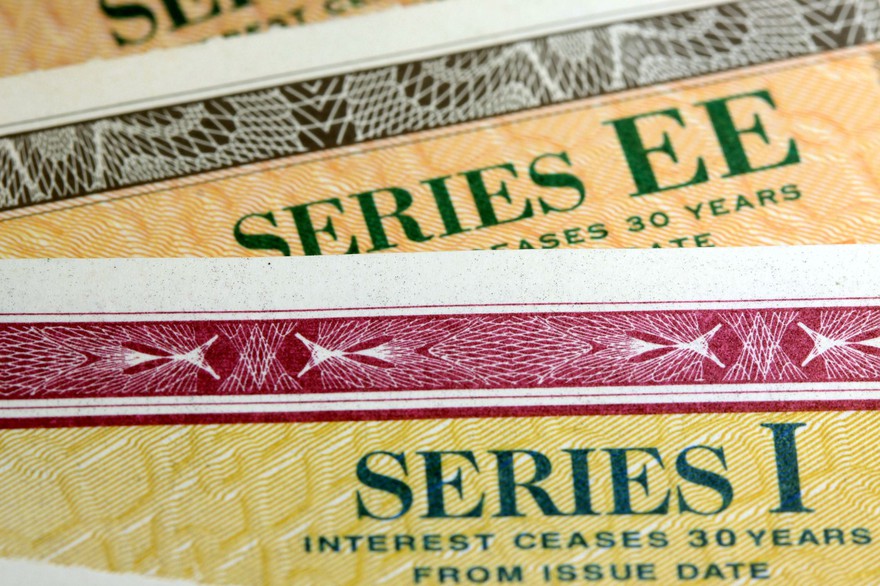
Patriot Bonds are special edition Series EE savings bonds issued from December 2001 to December 2011. The U.S. Department of the Treasury printed "Patriot Bond" on the bonds and used them to fund anti-terrorism programs. Besides the words printed on the bond, there was no other difference between Patriot Bonds and other Series EE savings bonds.
The government stopped issuing paper savings bonds in 2012, effectively ending the issuance of Patriot Bonds. You can still invest in bonds from the U.S. Department of the Treasury -- you just need to do so online.
Patriot Bonds were available in denominations ranging between $50 and $10,000. Series EE savings bonds are now available for between $25 and $10,000. The face value of the bond is twice what was paid, so you would have paid $50 for a Patriot Bond worth $100.
A Patriot Bond is worth the issue price plus the interest it has earned. You can look up the value of your Patriot Bond by using the calculator on the Treasury Direct website.
Every Patriot Bond is guaranteed to double in value after 20 years. If you have a Patriot Bond issued in December 2001, it became worth its face value (at least) in December 2021. Patriot Bonds continue to accrue interest for 30 years unless cashed before then.
Patriot Bonds issued before May 2005 earn a variable rate of interest that changes every six months. The new rates are announced on May 1 and Nov. 1 of every year and apply to all Series EE bonds issued between May 1997 and April 2005.
The rate applies to those bonds six months after their last rate change. For example, bonds issued in December will see their rates change in June and December every year.
Bonds issued in May 2005 or later earn a fixed interest rate. You can continue to hold your Patriot Bond beyond its 20-year maturity and earn the fixed rate, which you can look up on the TreasuryDirect website.
You can cash in Patriot Bonds by mailing them to Treasury Direct or with some banks and credit unions. Here's how to do it with Treasury Direct:
To cash in your bond at a local bank, call and ask if it offers this service. Not all banks accept savings bonds. If you find one that does, the process is similar to depositing a check. Make sure to bring your Patriot Bond and your ID.
If you've converted your Patriot Bond to an electronic bond, you can cash the bond online. Log in to your Treasury Direct account and go to ManageDirect. Under the "Manage My Securities" option, select "Redeem Securities."
You can't cash in a Series EE savings bond within a year of issuance. You'll also pay a penalty of three months' worth of interest if you redeem your bond in less than five years. But since all Patriot Bonds were issued before 2012, that's not an issue for Patriot Bond holders.
When you redeem your Patriot Bond, you'll receive a 1099-INT detailing the amount of interest earned on the savings bond. The interest is exempt from state and local tax, but you'll owe federal income tax on that amount.
Like all other Series EE savings bonds, Patriot Bonds will double in value after 20 years. It often makes sense to cash in bonds right at 20 years to maximize your returns. But some offer a fixed interest rate, in which case it may be worthwhile to hold them for as long as 10 more years until the savings bond matures.