Adobe (ADBE -5.41%) is a global software leader best known for Creative Cloud products like Photoshop, Illustrator, and Premiere Pro. Its portfolio also includes Document Cloud for digital documents and Experience Cloud for analytics and marketing tools. In 2023, Adobe expanded its platform with Firefly, a suite of generative AI models built directly into its creative software.
Founded in 1982 by Charles Geschke and John Warnock, Adobe first made its mark with PostScript, a breakthrough printing technology that helped fuel the desktop publishing boom. The company went public in 1986 and has grown through a mix of in-house innovation and acquisitions, including its landmark purchase of Macromedia.
Here’s what to know if you’re considering investing in Adobe stock, including how to buy shares, profitability, and the company’s long-term outlook.
How to buy Adobe stock
Adobe is publicly traded, so the process of buying its stock is much like it would be for any other company trading on a U.S. stock exchange. Here is a step-by-step guide.
- Open your brokerage app: Log in to your brokerage account where you handle your investments. If you don't have one yet, take a look at our favorite brokers and trading platforms to find the right one for you.
- Search for Adobe: Enter the ticker "ADBE" into the search bar to bring up the stock's trading page.
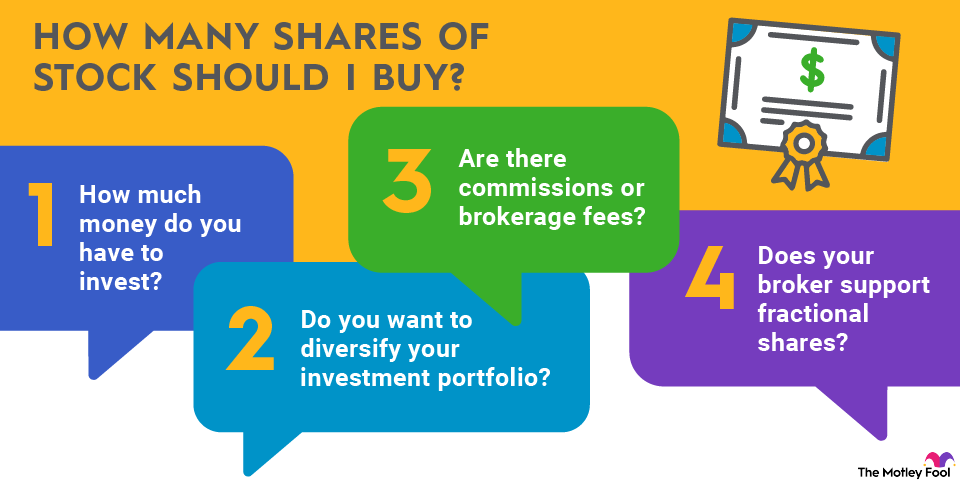
- Decide how many shares to buy: Consider your investment goals and how much of your portfolio you want to allocate to this stock.
- Select order type: Choose between a market order to buy at the current price or a limit order to specify the maximum price you're willing to pay.
- Submit your order: Confirm the details and submit your buy order.
- Review your purchase: Check your portfolio to ensure your order was filled as expected and adjust your investment strategy accordingly.
Should you invest in Adobe?
Adobe is a solid fit for growth-oriented investors who want exposure to a dominant software business. It may be less appealing to those seeking low volatility, deep value, or income.
The company continues to innovate, especially by integrating generative AI into flagship products like Photoshop and Premiere Pro. Adobe was also an early adopter of the subscription model, which now drives the majority of its revenue and provides highly recurring cash flow across Creative Cloud, Document Cloud, and Experience Cloud.
Financially, Adobe is in strong shape. In fiscal 2024, revenue rose 11% to $21.5 billion, and the company generated more than $8 billion in operating cash flow. With a strong balance sheet and consistent growth, Adobe offers long-term upside, though near-term volatility can come with the territory of growth stocks.

NASDAQ: ADBE
Key Data Points
Is Adobe profitable?
Throughout its history, Adobe has experienced fluctuating profitability according to generally accepted accounting principles (GAAP), but it's consistently delivered on the bottom line in recent financial reports. In fiscal 2024, Adobe's diluted earnings per share were $12.36 (GAAP) and $18.42 (non-GAAP). GAAP net income was $5.56 billion.
Does Adobe pay a dividend?
Adobe does not pay a dividend, and management has not indicated any plans to initiate one. The company paid a dividend starting in 1989 but discontinued it in 2005.
Many tech stocks, such as Microsoft (MSFT -1.44%) and Apple, pay dividends, although yields are quite low compared to the average stock trading on the S&P 500. Often, investors seek returns from growth-oriented software stocks primarily through share price appreciation and share buybacks, and Adobe is no exception.
In addition to Adobe's solid share price performance over the last several years despite persistent volatility, the company regularly repurchases shares from investors. In March 2024, management authorized a $25 billion stock repurchase program, which is scheduled to continue until 2028.
Buybacks not only achieve a near-term share price increase but also decrease the number of outstanding shares. Share buybacks also enable a tax-favorable means of bolstering investor returns while also boosting a company's earnings per share.
How to invest in Adobe through ETFs and index funds
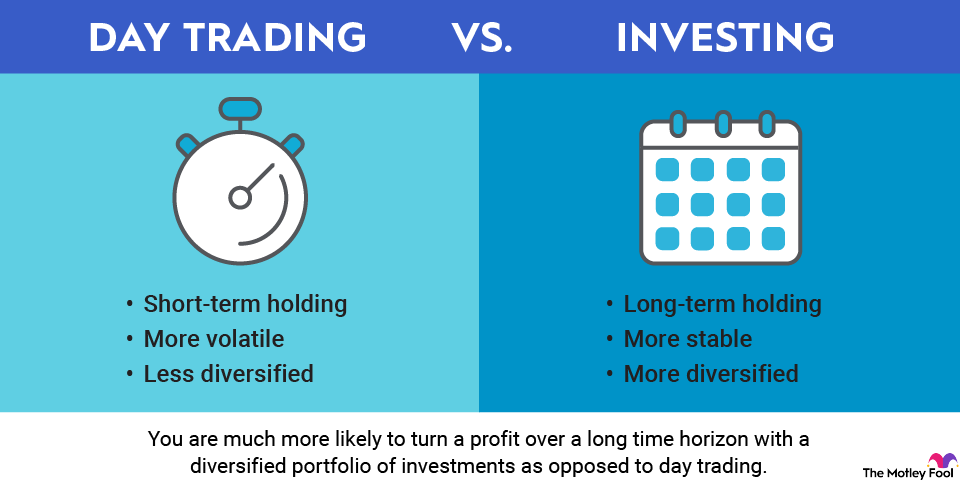
Instead of buying Adobe shares directly, you can also opt to purchase shares through an exchange-traded fund (ETF). By investing in an ETF, you can gain exposure to a wide variety of companies, including Adobe, which provides instant diversification to your portfolio.
A few examples include:
- SPDR S&P 500 ETF Trust (SPY -0.23%)
- iShares Core S&P 500 ETF (IVV -0.20%)
- Invesco QQQ Trust, Series 1 ETF (QQQ -0.15%)
Index funds, which seek to track the performance of a particular index, can also be a great way to invest in a basket of companies simultaneously. Index funds with exposure to Adobe include:
- Vanguard Total Stock Market Index Fund (VTI -0.20%)
- Vanguard S&P 500 Index Fund (VOO -0.20%)
- Fidelity Concord Street Trust - Fidelity 500 Index Fund (FXAIX +0.17%)
Will Adobe stock split?
Adobe has split six times in its company history. All were 2-for-1 stock splits. The first five splits occurred in March 1987, November 1988, August 1993, October 1999, and October 2000. Adobe's most recent split occurred in May 2005.
The bottom line
Adobe has plenty of attractive qualities that one hopes to see in a software stock. The company is growing its revenue steadily, with most of its revenue being recurring, and the business is consistently profitable. Its cash position is also shored up, and its broad global footprint in a competitive industry signals well for future growth.
While growth-oriented businesses like Adobe can be more vulnerable to changing spending patterns among larger enterprise customers when macro conditions tighten, the company still looks well positioned over the next five to 10 years.
Investors may find that this company looks like an attractive option for betting on the future of AI in software-as-a-service stocks, as well as for becoming part-owner of a trailblazing software business that has been around for more than 40 years and counting.
Related investing topics
FAQ
About the Author