Auto tariffs
A 25% tariff on automobiles and automobile parts took effect April 2, 2025, on top of existing duties. Tariffs on USMCA-compliant vehicles apply only to non-U.S. content. Automakers assembling vehicles in the U.S. with at least 85% U.S. or USMCA-compliant content can offset a portion of the parts tariffs through 2026.
Copper tariffs
A 50% tariff on semi-finished copper and copper-intensive derivative products took effect Aug. 1, 2025.
Semiconductor tariffs
A 25% Section 232 tariff on a narrow set of advanced semiconductor articles took effect Jan. 15, 2026, following a national security investigation launched April 1, 2025. President Trump had earlier threatened a 100% tariff on semiconductor imports except from companies moving production to the United States.
Pharmaceutical tariffs
A 100% tariff on patented medicines and ingredients took effect under an April 2, 2025 executive order, exempting finished generics, biosimilars, orphan drugs, and certain specialty pharmaceuticals. Companies signing pricing agreements with HHS and onshoring agreements with Commerce face 0% tariffs through Jan. 20, 2029; those signing only onshoring agreements pay 20%.
Lower rates apply to certain trade-deal partners: 15% for Japan, the European Union, South Korea, and Switzerland, and 10% for the United Kingdom, with a path to zero under further negotiation.
On July 22, 2026, the administration set a separate schedule for generic drugs: zero tariffs starting Aug. 1, 2026, rising to 100% in August 2028 and 200% a year later. India, which supplies close to half of the generic medicines consumed in the U.S., and China, which dominates upstream active pharmaceutical ingredient supply, face the largest exposure to this phase-in.
Truck tariffs
A 25% tariff on imports of heavy-duty trucks took effect Nov. 1, 2025, aimed at protecting domestic truck manufacturers.
Furniture tariffs
Kitchen cabinets, bathroom vanities, and upholstered furniture became subject to a 25% tariff starting Oct. 1, 2025. A planned increase to 50% on cabinets and vanities, originally set for Jan. 1, 2026, has been postponed to Jan. 1, 2027. Upholstered furniture is set to rise to 30% on the same postponed timeline.
Timber and lumber tariffs
Tariffs on softwood lumber and derivative wood products took effect Oct. 14, 2025, ranging from 10% to 25% depending on origin. The United Kingdom receives a preferential 10% rate, while the European Union, Japan, and South Korea receive a 15% rate under their respective trade agreements. Most U.S. softwood lumber imports come from Canada, which does not receive preferential treatment under this tariff.
iPhone and other smartphone tariffs
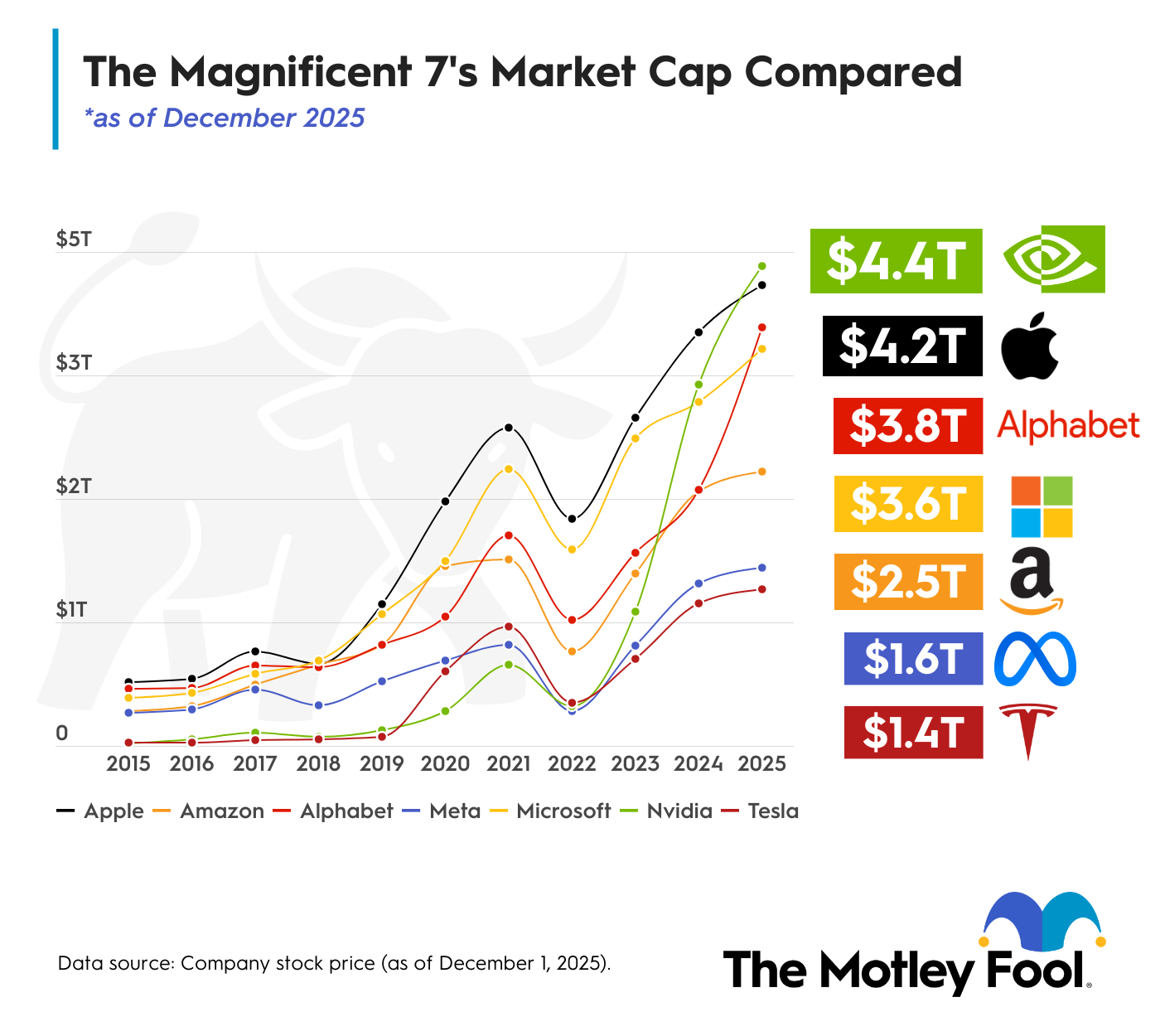
President Trump threatened on May 23, 2025 a tariff of at least 25% on iPhones and other smartphones built outside the United States, with no implementation date attached. Apple (AAPL -1.29%) plans to move most U.S.-bound iPhone production from China to India by 2026.
Commercial aircraft tariffs
A Section 232 investigation into commercial aircraft, jet engines, and their parts, initiated May 1, 2025, concluded with a presidential proclamation on July 9, 2026. The Commerce Department found that the U.S. aircraft industry's reliance on foreign supply chains threatens national security, citing counterfeit and non-compliant components, industry consolidation, and workforce decline.
Rather than imposing immediate tariffs, the administration directed the Commerce Department and U.S. Trade Representative to pursue negotiations with trading partners, with an update due within 180 days. The administration may consider tariffs or other remedies depending on the outcome of those negotiations.
Drone tariffs
As a result of a Section 232 investigation, the Trump administration announced a 100% tariff on drones a maximum takeoff weight of more than 25 kilograms and drones with thermal imaging capabilities. The 100% tariff also covers critical components and dock stations for those drones. The administration also announced 25% tariff on imported drones that are smaller and without national security implications.
A 15% tariff on drones and components will be applied to the European Union, Japan, Liechtenstein, the Republic of Korea, Switzerland, and Taiwan, and a 10% tariff will be applied to the United Kingdom, based on the U.S. content of those drones.
The tariffs will come into force on Sept. 3 and on Feb. 9, 2027 for non-sensitive drones.
Other Section 232 investigations underway
The administration has several additional Section 232 national security investigations in progress that have not yet resulted in tariff action: polysilicon and its derivatives (initiated July 2025), unmanned aircraft systems and components (initiated July 2025), wind turbines (initiated August 2025), robotics and industrial machinery (initiated September 2025), and medical equipment, devices, and personal protective equipment (initiated September 2025). A separate investigation into processed critical minerals concluded with the administration directing negotiation of agreements rather than imposing tariffs.