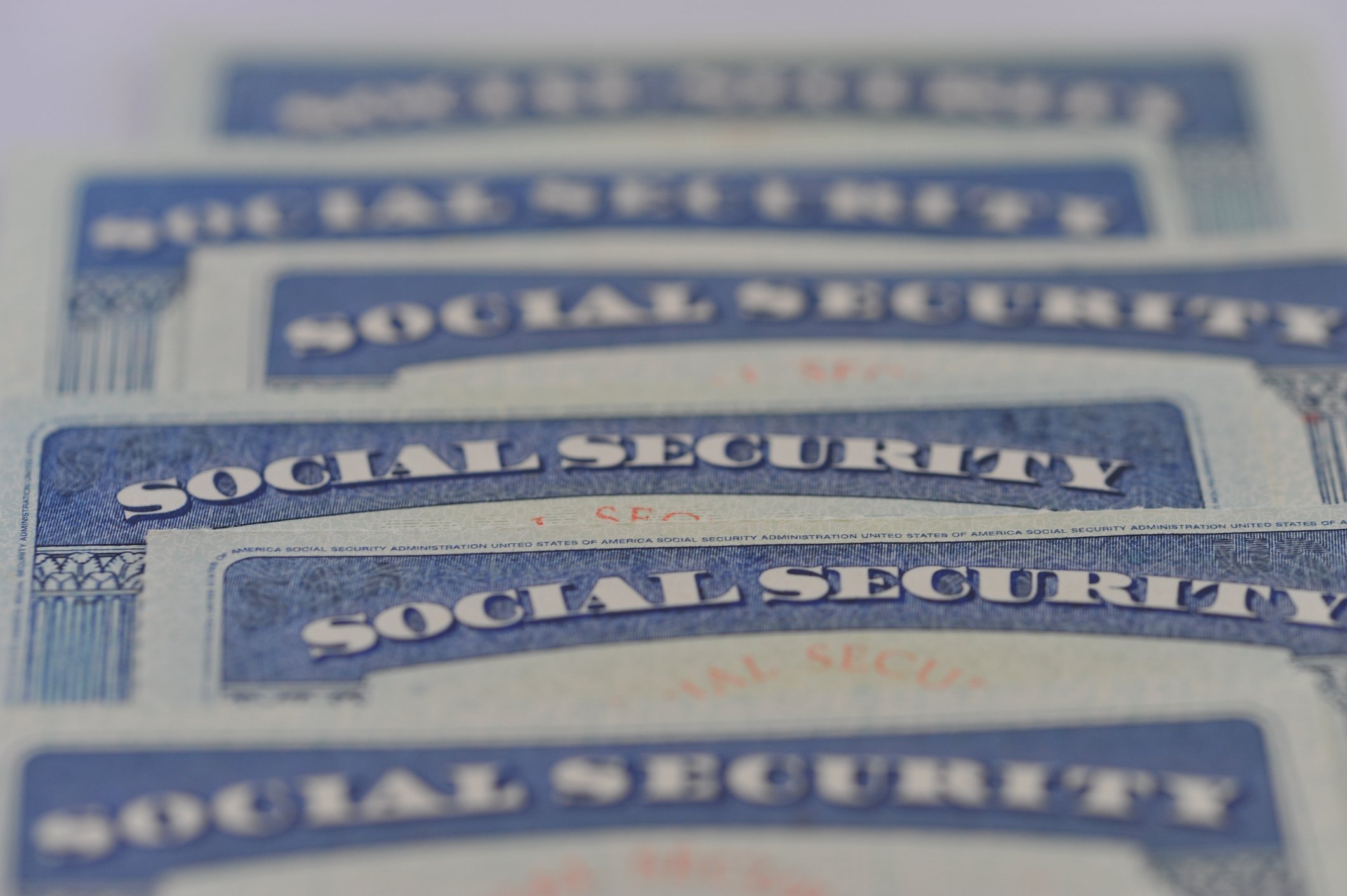
Social Security is one of the most enduring benefit programs in the United States. It is an incredibly popular program, and it has proved resistant to efforts to make major changes. Both political parties have promised not to cut benefits, and, in fact, both Republicans and Democrats have made suggestions that would result in retirees getting more benefits, including ending taxes on Social Security, changing to a more generous Social Security COLA, and even outright increasing the income retirees collect through various means.
However, there have been some reforms in the past aimed at shoring up the program's finances. These reforms were phased in over many decades to help retirees get used to the changes. And one of those changes will happen in 2026. It's a major milestone, and every retiree should be aware of the modification coming next year that was 43 years in the making.

Image source: Getty Images.
This Social Security change is a big milestone for retirees
The big Social Security shift in 2026, which is 43 years in the making, has to do with full retirement age. FRA is the age when seniors get to claim their standard Social Security check. This is their benefit based on average wages earned over their career. The standard benefit is also called the primary insurance amount, and the PIA can be reduced for people who claim it prior to their FRA and increased for those who claim it after.
When Social Security was created, FRA was the same for every senior. Once you hit the age of 65, you could get your full benefit. You could claim as early as 62 but get a reduced check, or as late as 70 and get an increased one, but 65 was always the age when you'd get your PIA without any changes.
Unfortunately, Social Security was running out of money, and in the 1980s, lawmakers decided one way to fix that issue was to change the full retirement age. This was, of course, a de facto cut to benefits. If your FRA is moved later, you have to wait longer to claim benefits to avoid getting hit with those early filing penalties that cut your income.
This change means workers have to adjust their retirement planning. They either need to make plans to work longer so they can wait to claim benefits, or they have to rely on more distributions from retirement plans to cover their costs when they retire early, but don't start Social Security right away.
To ease seniors into the change, lawmakers phased in the new full retirement age. FRA has been slowly moving back. And that will happen again in 2026. However, a major milestone 43 years in the making is finally here. FRA is changing for the last time (unless, of course, lawmakers alter the law again in the future).
Retirees can expect this big change next year
The very last change to FRA is a big one.
Full retirement age is moving out of the year you turn 66. Now, for anyone who was born in 1960 or later, they will have to wait until 67 to get their full benefit. Previously, the changes just inched FRA later into your 66th year. For example:
- For those born 1943-1954, your FRA was 66
- 1955, your FRA was 66 and two months
- 1956, your FRA was 66 and four months
- 1957, your FRA was 66 and six months
- 1958, your FRA was 66 and eight months
- 1959, your FRA was 66 and 10 months
But for anyone born in 1960 or later, FRA is 67. This means seniors who will turn 66 next year don't get to claim their benefit at all until their next birthday, while earlier retirees were still able to get their full benefit sometime during their 66th year. Now, those turning 66 starting in 2026 and beyond have to wait two full years from the old FRA of 65. Two years is a long time to have to rely solely on distributions from a 401 (k) or IRA, or to wait to retire.
The good news, though, is that there's not going to be any further movement of the FRA unless the law is changed again, so the age won't keep getting later for future seniors. So, the milestone is both a good one because de facto benefit cuts won't continue to hit every year -- but also a disappointing one for those who have to wait so much longer to get the retirement checks they likely need for a secure future.