One of the biggest Medicare myths you'll hear is that your coverage is free. Although most enrollees do not pay a premium for Part A, which covers hospital care, there's a monthly premium associated with Part B, which covers outpatient care.
Whether you pay a premium for your Part D drug plan or Medicare Advantage plan depends on your specific coverage, since $0 premium plans do exist. And also, your Part D or Medicare Advantage plan might change from year to year, so it can be a bit tricky to estimate your costs well in advance.

Image source: Getty Images.
But one thing you should know is that if your income increases a lot in 2026, you could end up paying much more for Medicare in 2028. That's something you absolutely need to plan for.
Understand how IRMAAs are calculated
Medicare Part B has a standard monthly premium that most enrollees pay. This year, it's $202.90. But higher earners can face surcharges on their premiums for Medicare Part B and Part D known as income-related monthly adjustment amounts, or IRMAAs.
Medicare IRMAAs are based on your income from two years prior. This means that your 2026 income will determine how much your Medicare premiums cost you in 2028. So if you expect your income to increase a lot this year, you may want to talk to a financial or tax professional about ways to avoid future IRMAAs, if possible.
Why might your income increase in 2026? There are a lot of reasons.
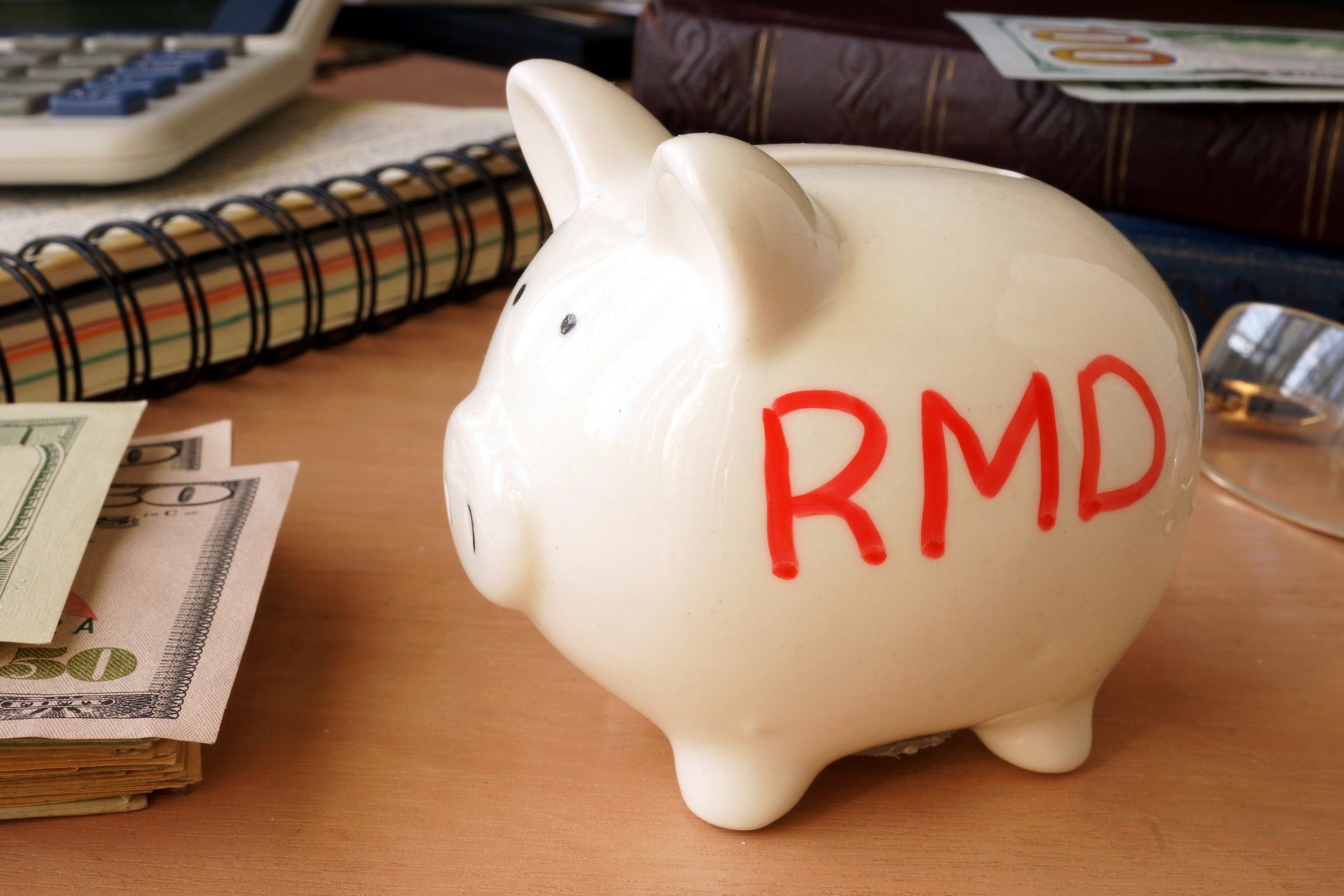
It could be that you're still working and are getting a large raise and bonus. It could be that you're starting to collect Social Security benefits on top of other income streams. Or it could be that you're facing your first required minimum distribution (RMD).
No matter the reason, it's important to work with a professional if there's a good chance your 2026 income will propel you into IRMAA territory in 2028. There may be steps you can take to reduce your 2026 income, such as delaying Social Security even if you're eligible for benefits or donating your RMD directly to a registered charity.
Don't discount the financial harm IRMAAs can cause
You might assume that Medicare IRMAAs aren't such a big deal. In reality, they can add hundreds of dollars a month to the cost of your Medicare premiums.
For this reason, they shouldn't be taken lightly. And you should understand how they're calculated in case there are steps you can take to avoid them.