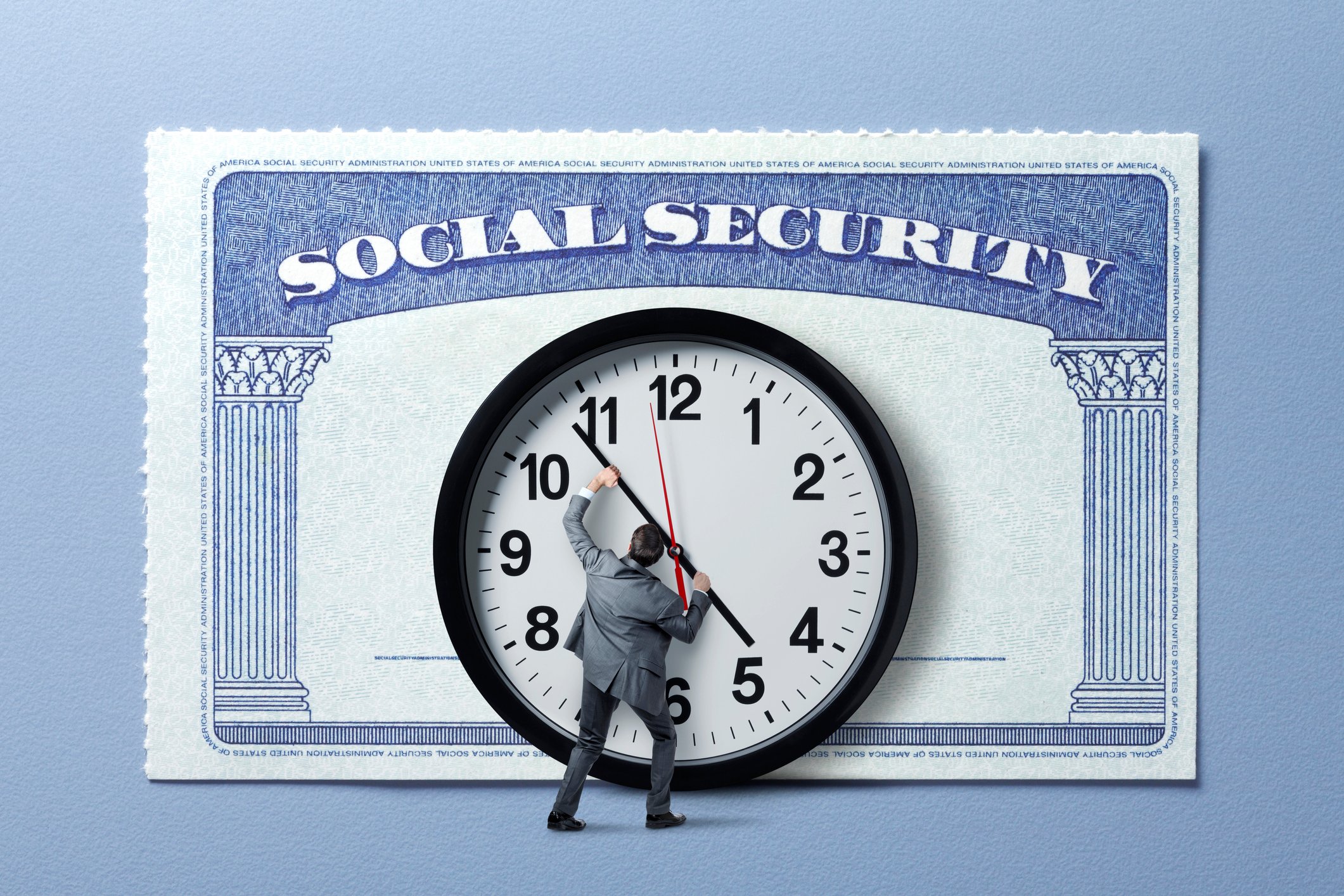
You signed up for Social Security early to receive the most checks, but now you're worried you may have short-changed yourself. Applying as soon as possible reduces your monthly benefit by up to 30%. For many, that leads to a smaller lifetime benefit, too.
But it's not all bad news. There are still ways to increase your Social Security checks even after you've applied. If any of the four things below apply to you, your benefits might get a boost in 2027, above and beyond the cost-of-living adjustment (COLA).

Image source: Getty Images.
1. You withdraw your Social Security application
You may withdraw your Social Security application if it's been less than 12 months since you applied. You must also pay back any benefits that you and any family members claiming on your work record have received from the program so far.
If you're able to do this, the government will treat you as if you never applied for Social Security. Every month you wait to reapply will increase your future benefits. However, this is a one-time offer, so make sure you think carefully about when you want to sign up again.
2. You suspend your application at your full retirement age (FRA)
Those who cannot withdraw their Social Security application can suspend benefits once they reach their full retirement age (FRA) -- 67 for most people. You don't have to pay back any money to do this, but you do have to get used to going without your checks for a while.
While you're not receiving benefits, your checks will grow by 2/3 of 1% per month, or 8% per year. This will continue until you either request that benefits resume or reach 70, when you qualify for your maximum benefit amount.
3. You're working and earning more than you did in years past
The Social Security Administration (SSA) looks at your average income over your 35 highest-earning years when calculating your benefits. But if you're still working while claiming checks, your 35 highest-earning years might change, even after you've applied.
If you're earning more today than you did in years past, there's a good chance your checks will increase a little each year, apart from the COLA. The SSA will review your earnings history each year and update your benefits as needed.
4. You reach your FRA after losing money to the earnings test
The Social Security earnings test reduces benefits for early claimants who earn more than a specified amount of income from their jobs each year. That money comes back to you as a benefit boost when you reach your FRA. If you'll hit yours in 2026 and you've lost money to the earnings test in years past, expect a boost with your birth month's payment.
If you have any questions about your Social Security benefit or the factors that affect it, contact the SSA for more information. You can do this by phone or by visiting your local Social Security office.