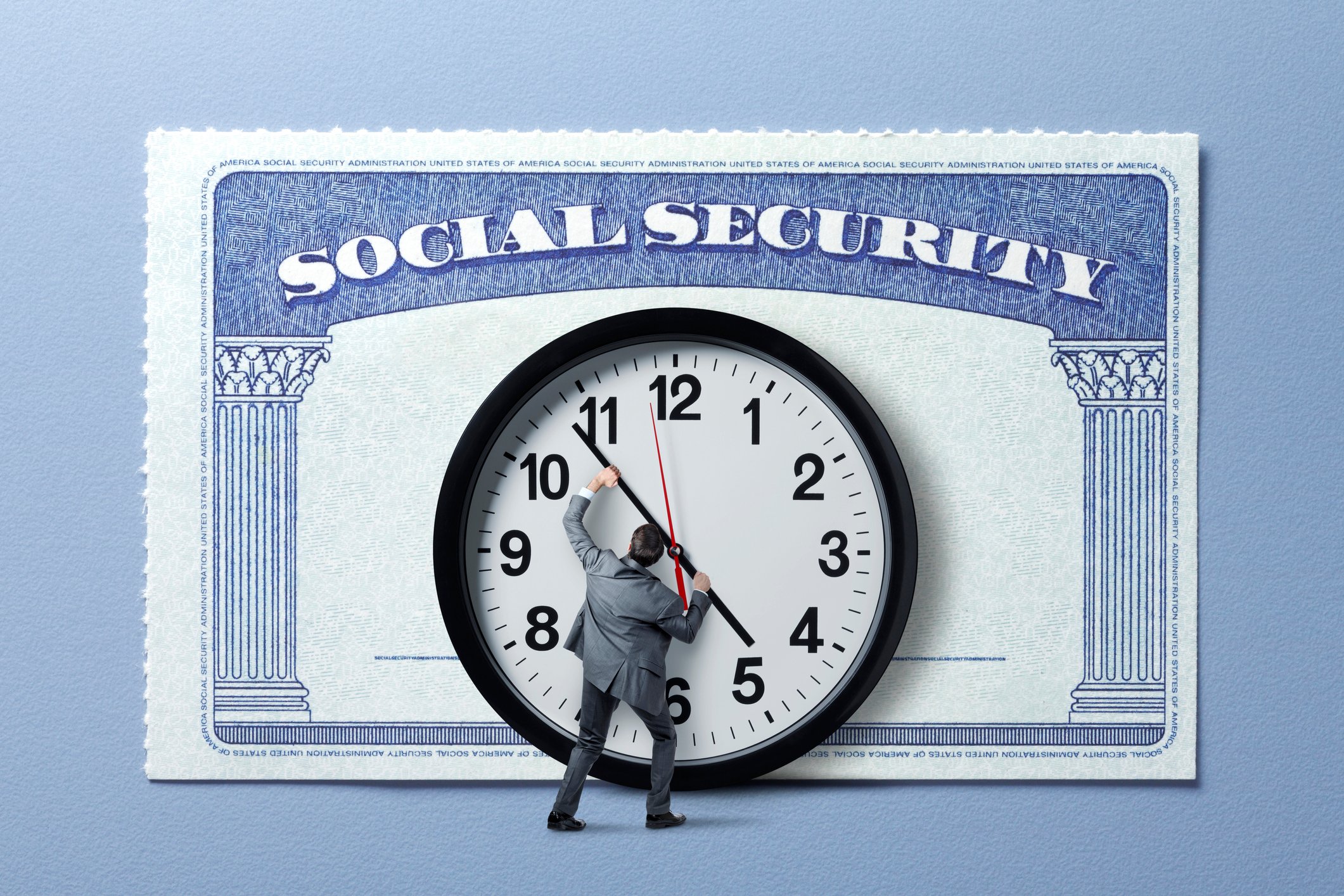
Social Security beneficiaries got some scary news last month when they learned that the program's trust funds are now just six years from depletion. A 22% benefit cut could follow if nothing changes.
This scenario is unlikely, but only Washington can help us avoid it. Other than making your thoughts known to your Congressional representative and senator, there isn't a lot you can do to directly influence Social Security's future. But you can do these three things to help you better weather whatever comes next.

Image source: Getty Images.
1. Beef up your savings
We don't know how Social Security might change yet, but benefits could face a direct cut or an indirect one, such as an increase in the full retirement age (FRA). So anything you can do today to reduce your reliance on your checks will increase your chances of remaining financially secure in 2033 and beyond.
If you've already retired, consider reducing spending to conserve what you have. Or you could take a part-time job to get extra money, and use the income to reduce how much you have to withdraw from your retirement savings each year.
If you're still working, consider pushing your retirement date back so you have more time to save. Or try a phased retirement, gradually reducing your hours rather than leaving the workforce all at once.
2. Pay down debt
Debt, especially high-interest debt, can cost you more in retirement than you expect, and that isn't what you want when you're worried about a benefit cut in a few years. Prioritize your high-interest debts now and try to pay them off before Social Security's insolvency date.
If you don't think you'll be able to pay off all your debts before then, make sure you've built these expenses into your retirement budget and have a plan to cover them. Try to avoid taking on new debt, too.
3. Have a backup plan
Since we don't know what Social Security will look like after 2032, there's no way to guarantee that your existing budget will still work in seven years. So it's important to have a backup plan for what you'll do if you find yourself draining your savings faster than you expected. You may need to return to work, cut expenses further, or apply for other government benefits.
Once we know what's going to happen with Social Security, it will be important to review your budget and keep a close eye on your spending over the next couple of years. You may need to put that backup plan into action if you're struggling to get by on personal savings alone.