Energy
Amid volatility in oil and gas markets, Motley Fool energy market analyst David Meier highlights an alternative energy company with long-term potential and a strong market position.
“Bloom Energy (BE +5.49%) has a clear path forward for lots of growth. The fuel cell designer and manufacturer continues to see demand rise within the data center markets as traditional power generation from gas turbines remains supply-constrained.”
The best way to invest in electric vehicles?
There’s more to the electric vehicle industry than companies like Tesla (TSLA +5.21%). One of our analysts believes that one of the “legacy” automakers could be the best way to invest.
John Rosevear, a senior contributing Motley Fool auto analyst and former CNBC reporter covering the future of autos, says:
“Like most auto analysts, I believe most vehicles will be electric – eventually. But ‘eventually’ could be a while. Given that, rather than an electric-vehicle start-up, I like General Motors (GM +0.51%) stock right now. This isn’t your dad’s GM: CEO Mary Barra has GM ready to surge production of EVs on short notice, while making good profits on gas-powered trucks and SUVs in the meantime. GM stock surged in 2025, but I think it still has more room to run – and you’ll collect a decent dividend along the way.”
Set up an income stream
Finally, if you’re looking to build a passive income stream -- for retirement or otherwise -- Senior Motley Fool investment analyst Matt Argersinger suggests investing in dividend stocks.
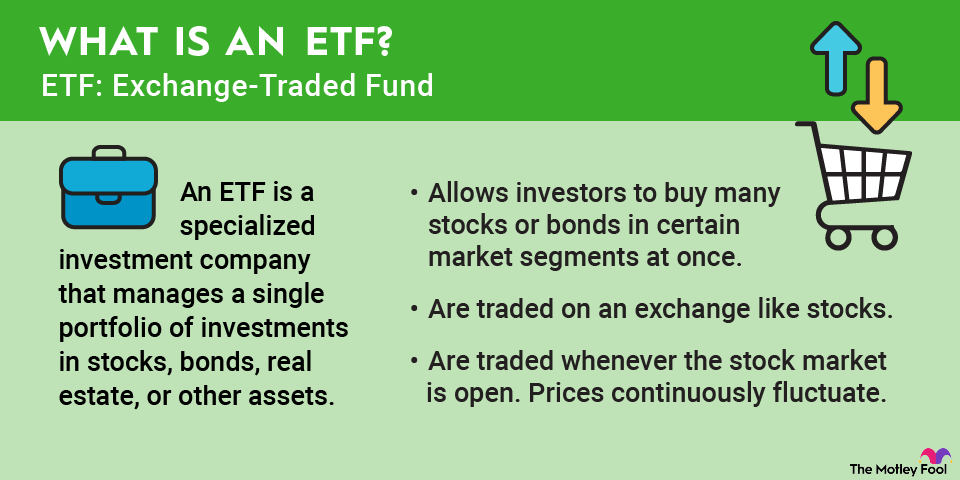
“With that refund, I’d strongly consider a small basket of dividend-paying stocks, or a low-cost dividend-focused fund with a great track record like the Schwab U.S. Dividend Equity ETF (NYSEMTK:SCHD),” he said.
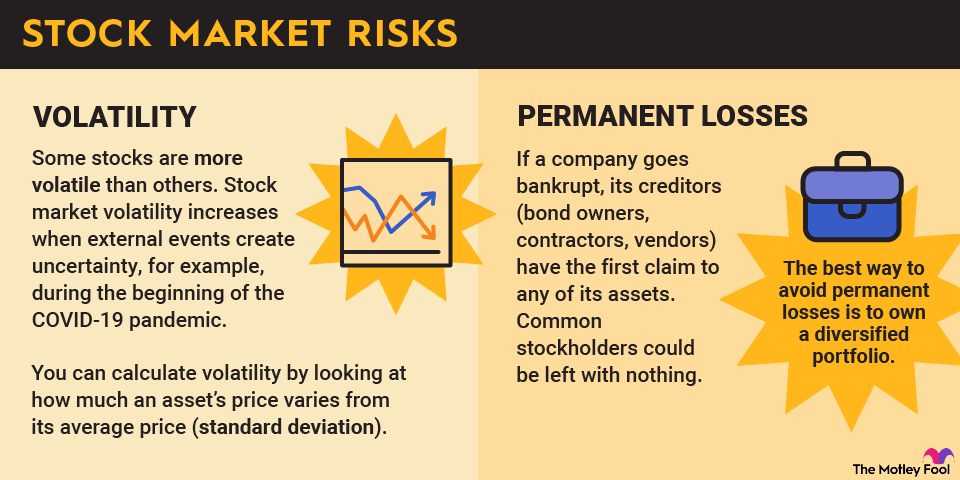
“It’s not just about income,” Argersinger adds. “According to several long-term studies of the stock market, including those by Hartford Funds, Ned Davis Research, and O’Shaughnessy Asset Management, stocks that pay above-average dividend yields or grow their dividends by above-average rates have been the best-performing stocks in the long run with less volatility.”
For me personally, I would add some high-quality real estate investment trusts (REITs) to my portfolio. Thanks to persistently elevated interest rates, there are some excellent valuations and dividend yields available in the real estate sector. Rock-solid REIT Realty Income (O +0.47%) has a 5.3% dividend yield and a 30-year track record of consistent dividend increases, and data center REIT Digital Realty Trust (DLR +1.25%) has a 2.7% yield and could be a great income play on the boom in AI infrastructure.
Of course, these are just a few different examples of how to invest in the stock market, but hopefully these can be a nice starting point.