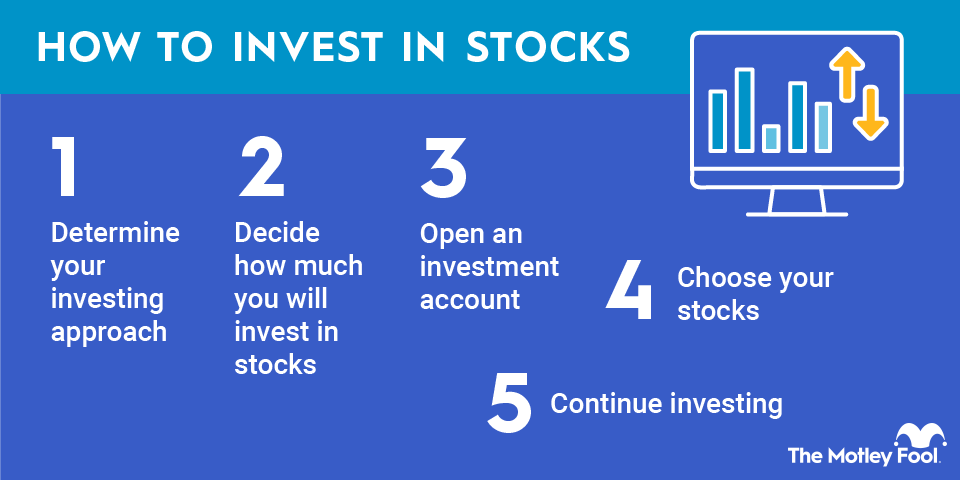
3. Open an investment account
To buy stocks, you'll need a brokerage account. But you're in luck -- Motley Fool Money's actually done the hard part for you already and reviewed dozens of accounts to help you find the right one.
Opening a brokerage account is typically quick and painless, taking only minutes. Most will allow you to invest with play money first to make sure the platform is a good fit for you. You can fund your account via electronic transfer, check, or wire. Before choosing a broker, consider the following:
Type of account
First, determine the type of brokerage account you need. For most people who are just trying to learn stock market investing, this means choosing between a standard brokerage account and an individual retirement account (IRA).
Both account types will allow you to buy stocks, mutual funds, and ETFs. The primary considerations here are why you're investing in stocks and how easily you want to access your money. If you want easy access to your money or are just investing for a rainy day, you'll probably want a standard brokerage account.
On the other hand, if your goal is to build up a retirement nest egg, an IRA is a great way to go. These accounts come in two main varieties -- traditional and Roth IRAs --, and there are some specialized types of IRAs for self-employed people and small business owners, including the SEP-IRA and SIMPLE IRA.
A key point is that IRAs are highly tax-advantaged vehicles for purchasing stocks. However, the downside is that it can be difficult to withdraw your money before a certain age.
There are also specific qualifications for investing in IRAs and taking the tax benefits, such as Roth IRA income limits, so be sure to meet the requirements before investing. One potentially appealing feature of Roth IRAs is the ability to withdraw your contributions (but not your investment profits) at any time and for any reason.
Costs and features
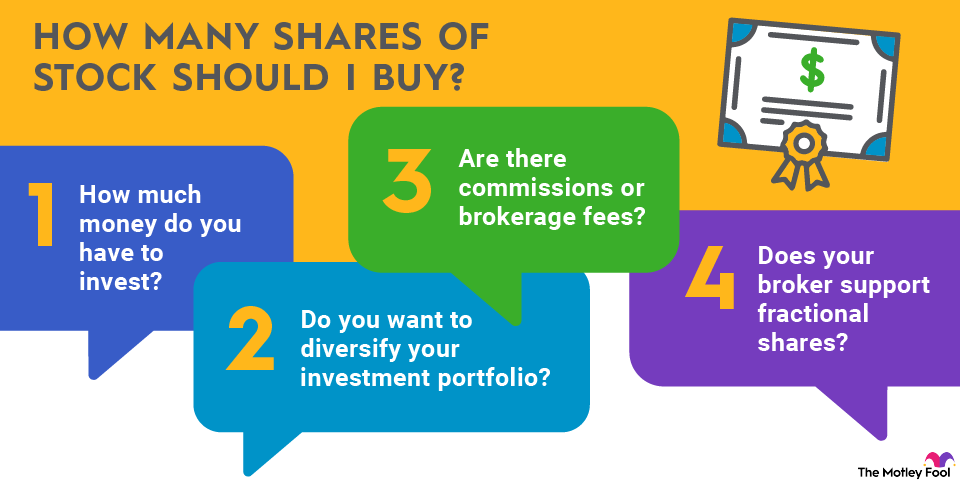
Most online stockbrokers have eliminated trading commissions for standard stock trades, so most are on a level playing field when it comes to costs, unless you're trading options or cryptocurrencies, which often still carry fees. Beyond cost, consider the educational tools on offer, access to investment research, the availability of physical branches if you prefer in-person guidance, and the usability of the trading platform itself. Many brokers let you try a demo version before committing any money, which is worth doing.